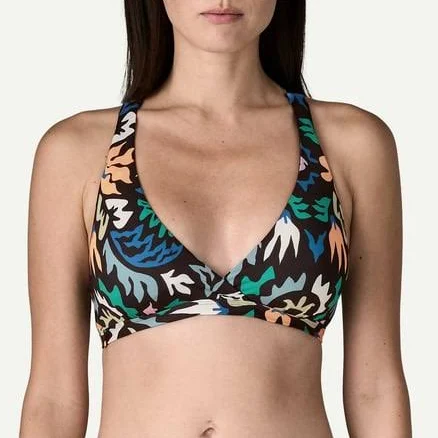
Patagonia Women's Bottom Turn Racerback Bikini Top
Brand PFAS statement on record, which we have not verified.
Patagonia says 100% of its new products from Spring 2025 are made without intentionally added PFAS. We record that as an unverified brand claim.
Brand says: “Patagonia says 100% of its new products from Spring 2025 are made without intentionally added PFAS.”
We flunk more products than we pass. This one earned its grade. How we grade
Material
Nylon/polyester blend with elastane (standard swimwear)
Brand disclosure
Brand claims PFAS-free
Lab data
No public lab test
You may also be interested in
Top-graded picks in the categories readers replace first, every one scored on the same rubric.

- polypropylene filter housing, carbon/sediment cartridge
- We found no PFAS statement from the brand
- Bacterial growth in spent cartridges
3 hazards checked on this product, all on its full breakdown.

Aquasure
Premier Series 75 GPD Under Sink Reverse Osmosis Water Filtration System
- RO membrane, carbon filters, stainless steel housing
- We found no PFAS statement from the brand
- Bacterial and microbial growth in housing and filters
4 hazards checked on this product, all on its full breakdown.

Avocado
Vegan Mattress
- organic cotton, natural latex, coconut coir, recycled steel coils
- The brand calls it PFAS-free, which we have not verified
- Heavy metals
2 hazards checked on this product, all on its full breakdown.
What Patagonia Women's Bottom Turn Bikini Top is made of, ingredients and materials
This bikini top uses a nylon and polyester blend with elastane (spandex), the industry standard for swimwear stretch and durability. Nylon and polyester are synthetic polymers that do not inherently leach monomers or plasticizers into skin or water under normal wear conditions. Elastane provides elasticity without added plasticizers like phthalates, which are banned in EU swimwear and not typical in US brands meeting modern standards. The material itself poses no recognized chemical toxicity risk during use.
What’s concerning
Category baseline
The starting point for this type of product, before anything specific to this product is counted.
Elastane (spandex) degradation under heat or chlorine
Elastane is chemically stable during normal wear but degrades faster when exposed to high heat, direct sunlight, or chlorine without rinsing. This is material aging, not toxicity, but accelerates replacement needs if care is neglected.
What’s reassuring
Brand-stated PFAS-free
The brand states this product is PFAS-free. We have not verified the claim.
Base material not linked to PFAS
The main material recorded for this product is not one associated with PFAS.
Azo dyes
No public evidence of azo dye use or restriction violations in Patagonia swimwear. Most modern nylon and polyester textiles sold in the US comply with azo bans.
Formaldehyde / VOCs
Patagonia discloses chemical use and has committed to finishing agents with lower concern profiles. No formaldehyde-resin finishes are listed as part of this product's known construction.
Source, ATSDR ↗Heavy metals
No documented heavy metal contamination in Patagonia's supply chain for swimwear. The brand's Bluesign certification includes metal testing.
Source, FDA ↗Microplastics
Intact synthetic fibers do not shed microplastics during normal swimming. Degraded elastane may fragment if worn past integrity limits, but whole garments pose no microplastic risk in water.
Source, EPA ↗How is this PFAS grade calculated?
The brand's record and disclosure
Patagonia has publicly committed to removing indefinite water repellents from its product line and completed this transition as of 2023. The company publishes transparency reports on chemical use and has third-party certifications including Bluesign and Fair Trade. No established recalls or chemical safety controversies have been documented for Patagonia swimwear. The brand's stance on PFAS is on record, though independent lab verification is not in public domain.
How it compares in its category
Most mainstream swimwear brands still use water-repellent coating (water-repellent coating) coatings containing legacy PFAS, making this product an outlier in the positive direction. Patagonia's nylon/polyester blend is standard chemistry, identical to competitors, but the absence of water-repellent coatings is a deliberate choice that reduces chemical exposure. Some premium brands market PFAS-free alternatives, but Patagonia's transparency and scale give this top a documented safety advantage in swimwear.
If you buy it
Rinse thoroughly after saltwater or chlorine exposure to remove residual chemicals and extend elastic integrity. Machine wash cold with mild detergent; avoid bleach and fabric softener, which degrade elastane. Line dry away from direct heat and sunlight to prevent UV degradation of the fabric. Replace when elastic loses recovery (typically 2-3 years of regular use); worn elastane can cause chafing but poses no toxicity risk.
What is not known about PFAS in this product?
- Basis
- Model estimate, 72% confidence, not a lab result
- Lab test
- None on record for this exact product
- Brand statement
- Patagonia has made a specific claim
Formulations change between production runs, so check the current label. How we grade.
More swimwear grades
How we score, every product runs through the same public 0-100 rubric based on materials, coatings, brand disclosure, lab findings, and recalls. See the full methodology → Spotted a mistake? Report an error.