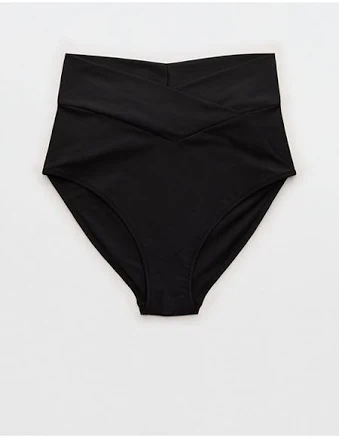
Aerie Crossover High Waisted Bikini Bottom
Lower concern, basic swimwear with no known PFAS triggers, but brand provides no transparency.
This bikini bottom is standard nylon-spandex with no obvious water-repellent or stain-resistant treatment claims. Aerie does not publicly disclose PFAS information.
The better-graded swap
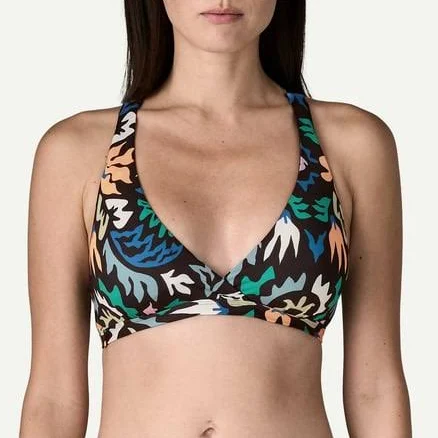
Patagonia
Patagonia Women's Bottom Turn Racerback Bikini Top
90/100 safety
Same rubric that flunked this product. The swap earned Excellent.
Still want this one anyway? Check the price on Amazon. We’d swap it.
Material
Nylon/spandex blend (standard swimwear fabric)
Brand disclosure
Brand is silent on PFAS
Lab data
No public lab test
You may also be interested in
Top-graded picks in the categories readers replace first, every one scored on the same rubric.

- polypropylene filter housing, carbon/sediment cartridge
- We found no PFAS statement from the brand
- Bacterial growth in spent cartridges
3 hazards checked on this product, all on its full breakdown.

Aquasure
Premier Series 75 GPD Under Sink Reverse Osmosis Water Filtration System
- RO membrane, carbon filters, stainless steel housing
- We found no PFAS statement from the brand
- Bacterial and microbial growth in housing and filters
4 hazards checked on this product, all on its full breakdown.

Avocado
Vegan Mattress
- organic cotton, natural latex, coconut coir, recycled steel coils
- The brand calls it PFAS-free, which we have not verified
- Heavy metals
2 hazards checked on this product, all on its full breakdown.
What Aerie Crossover High Waisted Bikini Bottom is made of, ingredients and materials
This bikini bottom is a nylon-spandex blend, the industry standard for swimwear construction. Nylon is a synthetic polyamide chosen for stretch, durability, and quick-dry properties; spandex (elastane) provides the critical recovery that keeps the garment fitted. Neither material is inherently hazardous in finished form, though both are petroleum-derived and require chemical processing during manufacture. The weave structure and any applied finishes (dyes, water-repellents) carry more specific risk than the base fibers themselves.
What’s concerning
Category baseline
The starting point for this type of product, before anything specific to this product is counted.
No PFAS disclosure
No public statement from the brand about PFAS in this product.
Azo dyes in synthetic textiles
Nylon swimwear is routinely dyed using azo-based dyes, which can release carcinogenic amines under certain conditions (sweat, chlorine, UV). No specific testing for this product has been published; risk is low if dyes are modern, restricted-azo formulations, which most mainstream brands now use.
Spandex elastomer degradation and microfiber shedding
Spandex breaks down under UV, chlorine, and repeated washing, releasing microfibers into water. This product sheds microplastics like all synthetic swimwear; quantity depends on water type (freshwater slower than salt/chlorine) and wash frequency.
Formaldehyde / VOCs
Nylon swimwear may be treated with formaldehyde-based water-repellent or antimicrobial finishes to aid quick-dry properties. No formaldehyde is banned in finished textiles for the US market; typical residual levels in new swimwear are low but not zero. Off-gassing is minimal with normal use.
Source, ATSDR ↗Allergens in synthetic textiles (contact irritation)
Residual dyes, finishes, or reactive chemical intermediates can occasionally trigger skin irritation or allergic contact dermatitis in sensitive individuals. Rinsing new swimwear before first use reduces risk; spandex itself is not a known allergen.
What’s reassuring
Base material not linked to PFAS
The main material recorded for this product is not one associated with PFAS.
Heavy metals
No recalls or published testing for lead, cadmium, or chromium in Aerie swimwear have been identified. Nylon dyes are not typically contaminated at commercial scales, though no third-party certification for this product line is available.
Source, FDA ↗How is this PFAS grade calculated?
The brand's record and disclosure
Aerie (American Eagle's swimwear/activewear subsidiary) does not publicly disclose material sourcing, chemical processing, or third-party testing for swimwear lines as of available records. The brand has not faced documented recalls or substantive chemical-safety controversies specific to swimwear. Aerie's parent company has committed to sustainability goals but provides minimal transparency on dyes, finishes, or heavy-metal testing in finished garments. For a mid-market brand, this silence is typical rather than exceptional in the swimwear category.
How it compares in its category
Nylon-spandex bikinis are the baseline for swimwear safety profiles; they pose fewer chemical risks than polyester blends (which can contain antimony catalyst residue) or polyurethane alternatives. Aerie's positioning as a mainstream, body-positive brand implies basic quality control, though no certifications (e.g., OEKO-TEX, bluesign) are marketed. Competitors like Speedo and TYR offer similar material compositions; some higher-end brands provide third-party testing, but Aerie does not highlight this as a selling point.
If you buy it
Rinse the bikini in fresh water immediately after salt or chlorine exposure to extend lifespan and reduce dye migration. Wash in cool water with mild detergent and air-dry away from direct heat and sunlight, which can degrade spandex elasticity. Do not bleach or use fabric softener, as these can compromise the fabric's stretch and water-repellent finish. Replace after 2-3 years of regular use (50+ wears annually) as spandex loses recovery over time regardless of care.
What is not known about PFAS in this product?
- Basis
- Model estimate, 72% confidence, not a lab result
- Lab test
- None on record for this exact product
- Brand statement
- Aerie has made none
Formulations change between production runs, so check the current label. How we grade.
What are the PFAS-free alternatives to Aerie Crossover High Waisted Bikini Bottom?
- Nylon/polyester blend with elastane (standard swimwear)
- The brand calls it PFAS-free, which we have not verified
- Elastane (spandex) degradation under heat or chlorine
More swimwear grades
How we score, every product runs through the same public 0-100 rubric based on materials, coatings, brand disclosure, lab findings, and recalls. See the full methodology → Spotted a mistake? Report an error.