Adidas · Running & Athletic Shoes
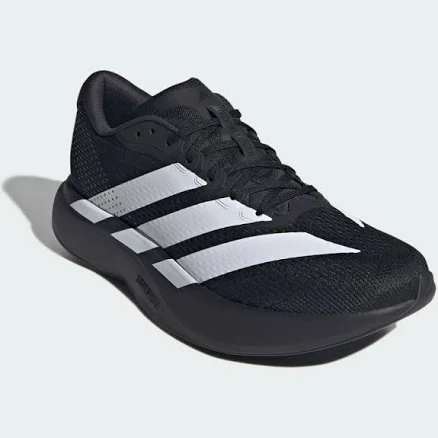
adidas Men's Adizero Pacer Running Shoes
Skip until Adidas discloses PFAS treatment status or obtains verification.
Adidas does not publicly disclose PFAS use in this running shoe or provide third-party verification. Standard athletic shoes often contain water-resistant treatments that may include PFAS, but no specific treatment information is available for this model.
Still want this one anyway? Check the price on Amazon. We’d swap it.
Material
Mesh textile upper, rubber sole, foam midsole
Lab data
No public lab test
What adidas Men's Adizero Pacer Running Shoes is made of, ingredients and materials
The Adizero Pacer upper is mesh textile (likely polyester or nylon blend), the midsole is foam (typically EVA or similar polyurethane), and the sole is rubber. Mesh textiles and foam cushioning in athletic shoes do not require protective coatings in the way some apparel does, but manufacturing processes for synthetic fibers and foams can introduce residual chemicals. The shoe's breathability design means chemical off-gassing potential is lower than in heavily treated or bonded materials, but foam degradation over time and repeated compression can alter material properties.
What’s concerning
Category baseline
The starting point for this type of product, before anything specific to this product is counted.
No PFAS disclosure
No public statement from the brand about PFAS in this product.
Antimony in polyester fibers
If the mesh upper contains polyester (common in athletic mesh), catalytic antimony may be present from yarn manufacture. Adidas does not disclose antimony content or removal protocols, and antimony leaching from worn textiles is not a documented concern at typical wear temperatures, but cannot be excluded from the material composition.
EVA/foam midsole degradation and off-gassing
EVA foam used in running shoe midsoles can release volatile organic compounds (VOCs) during manufacturing and early use, particularly when new. This is common across the category and typically dissipates within weeks; no Adidas-specific incidents are recorded, but off-gassing is inherent to expanded foam cushioning materials.
What’s reassuring
Base material not linked to PFAS
The main material recorded for this product is not one associated with PFAS.
Formaldehyde / VOCs
No public recalls or reports of formaldehyde contamination in Adidas Adizero Pacer shoes. Standard mesh athletic uppers typically do not require formaldehyde-based water-resistance or shape-holding treatments, making this hazard class lower concern for this product line.
Source, ATSDR ↗Heavy metals
No established history of azo dye or pigment contamination in Adidas running shoes. However, Adidas does not publish dye source or metal testing data for individual models, so hazard cannot be fully ruled out.
Source, FDA ↗Rubber sole contaminants and wear particle inhalation
Athletic rubber soles are not subject to established heavy metal limits in most jurisdictions. Normal wear does not produce inhalable particles at hazardous levels, and no safety alerts for Adidas rubber soles are on record; this remains a low-priority hazard for typical use.
The full breakdown
The brand's record and disclosure
Adidas has not made public commitments to eliminate PFAS from textile treatments or manufacturing, and the company does not regularly disclose chemical inventories for individual shoe lines. The brand has faced scrutiny for vague sustainability claims but has not faced major product safety recalls for formaldehyde, azo dyes, or heavy metal contamination in recent athletic footwear. No certification bodies (OEKO-TEX, bluesign) are listed for this model in available marketing materials, meaning independent verification of chemical inputs is absent.
How it compares in its category
Running shoes in this price tier typically use similar mesh-and-foam construction without special chemical treatments. Brands offering OEKO-TEX certification or explicit PFAS-free claims (e.g., some Altra, New Balance, or Salomon models) provide third-party transparency that Adidas does not here. The Adizero Pacer sits in the middle of the market in terms of chemical risk profile; it is neither a known hazard product nor a transparency leader in its segment.
If you buy it
Store in a cool, dry place away from direct heat to slow any residual off-gassing and foam breakdown. Inspect the midsole every 200-300 miles of use for compression loss and cushioning failure, which signals time for replacement. Wash with cool water and mild detergent only; avoid high heat (machine drying, direct heat sources) that can accelerate foam degradation. If odor or discoloration emerges beyond normal wear, discontinue use and replace, as it may indicate chemical breakdown or mold growth in the foam.
What we don’t know
- Basis
- Model estimate, 65% confidence, not a lab result
- Lab test
- None on record for this exact product
- Brand statement
- Adidas has made a specific claim
Formulations change between production runs, so check the current label. How we grade.
More running & athletic shoes grades
How we score, every product runs through the same public 0-100 rubric based on materials, coatings, brand disclosure, lab findings, and recalls. See the full methodology → Spotted a mistake? Report an error.