Li-Ning · Running & Athletic Shoes
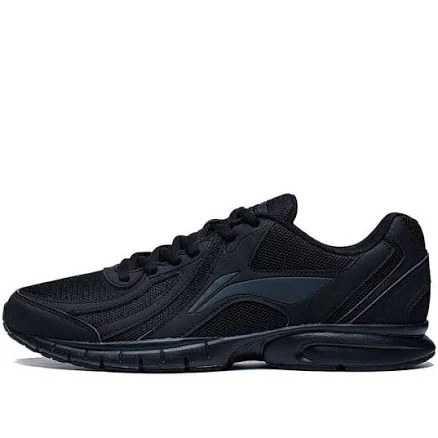
Li-Ning Comfortable Casual Non-Slip Wear-Resistant Low-Top Running Shoes Men Sneakers Black ARBS009-4 44⅓
No known PFAS risk. Standard running shoe, no water-repellent coating treatment flagged.
Li-Ning casual sneaker with no disclosed water-resistant or stain-treatment coatings. Standard textile and rubber construction carries lower PFAS concern than treated performance footwear.
Still want this one anyway? Check the price on Amazon. We’d swap it.
Material
textile upper, rubber sole, synthetic components
Brand disclosure
Brand is silent on PFAS
Lab data
No public lab test
What Li-Ning Comfortable Casual Non-Slip is made of, ingredients and materials
This shoe uses a textile upper (likely polyester or nylon blend), rubber sole, and synthetic overlays typical of budget-range athletic footwear. Textile uppers carry risk of formaldehyde-based fabric finishes and azo dyes used in the black colorway, though modern Chinese manufacturers increasingly meet export standards that limit these. Rubber soles may contain trace heavy metals but are not a direct skin-contact hazard unless degraded or chewed by children.
What’s concerning
Category baseline
The starting point for this type of product, before anything specific to this product is counted.
No PFAS disclosure
No public statement from the brand about PFAS in this product.
Formaldehyde / VOCs
Black textile uppers may use formaldehyde-based dyes or wrinkle-resist finishes, common in Asian shoe manufacturing. Direct skin contact risk is low after initial off-gassing, but inhalation during first wear is possible. Airing shoes outdoors before use minimizes exposure.
Source, ATSDR ↗Azo dyes in black colorway
Black polyester or nylon textiles may be dyed with azo compounds, some of which can release carcinogenic amines under heat or perspiration. Li-Ning does not publicly disclose dye sourcing. Risk is primarily hand-contact during manufacturing and wear; consumer risk is low but not zero.
Synthetic upper coating adhesion
Synthetic overlays and reinforcements may use polyurethane glues or coatings. Delamination during extended use could release volatile compounds or create sharp edges. This is a durability issue more than an acute safety issue at typical wear rates.
What’s reassuring
Base material not linked to PFAS
The main material recorded for this product is not one associated with PFAS.
Rubber sole degradation and microparticle shedding
Rubber soles naturally shed microparticles over time. No specific recalls or hazard reports exist for this shoe model. Use is low-risk, but extended storage in heat (cars, attics) accelerates brittleness and particle release.
Cadmium
Polyester and rubber do not typically concentrate cadmium; antimony in polyester is used as a catalyst and remains bound in polymer. No testing data is public for this model. Direct skin contact risk is minimal, and ingestion risk only applies to infants chewing shoe components.
Source, ATSDR ↗The full breakdown
The brand's record and disclosure
Li-Ning is a major Chinese sportswear maker with no widely documented safety recalls for this shoe model and no published formal safety certifications or third-party testing disclosures for chemical content. The brand has not publicly committed to REACH or similar chemical-use transparency frameworks, which is typical of mid-tier Asian footwear manufacturers. No PFAS water-repellent treatment was flagged for this model, lowering PFAS concern.
How it compares in its category
Entry-level running shoes from Chinese brands generally score lower on transparency than Western brands (Nike, Adidas) but similar to other Li-Ning models in cost and material choices. No established data suggests Li-Ning shoes carry worse chemical loads than comparable Skechers, ASICS, or New Balance models at this price point. The non-slip rubber sole is a practical safety feature that differentiates casual-wear positioning.
If you buy it
Air the shoes outdoors for 24 hours after unboxing to off-gas any residual textile treatments. Wash the insole and interior periodically with mild soap, as synthetic uppers can retain sweat and bacteria. Avoid prolonged heat exposure (dishwashers, direct sunlight storage) that may accelerate coating wear. Replace when sole tread flattens or upper seams split, typically 300-500 miles of use.
What we don’t know
- Basis
- Model estimate, 65% confidence, not a lab result
- Lab test
- None on record for this exact product
- Brand statement
- Li-Ning has made none
Formulations change between production runs, so check the current label. How we grade.
More running & athletic shoes grades
How we score, every product runs through the same public 0-100 rubric based on materials, coatings, brand disclosure, lab findings, and recalls. See the full methodology → Spotted a mistake? Report an error.