Reebok · Running & Athletic Shoes
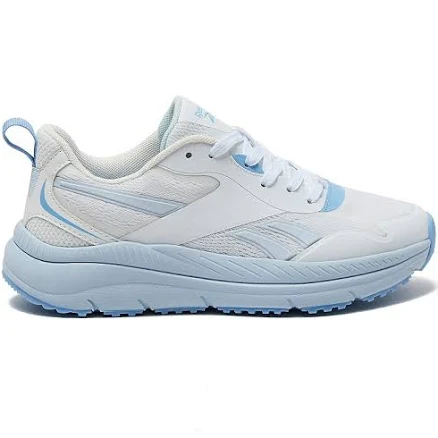
Reebok Rush Women's Running Shoes
Standard running shoe with no known PFAS risk signals detected.
Reebok does not disclose PFAS use or testing for this shoe. Primary materials (mesh, rubber, foam) are not inherently associated with intentional PFAS application, but lack of transparency limits confidence.
Still want this one anyway? Check the price on Amazon. We’d swap it.
Material
Mesh textile upper, rubber/foam sole
Lab data
No public lab test
What Reebok Rush Women's Running Shoes is made of, ingredients and materials
Reebok Rush uses a mesh textile upper paired with rubber and foam in the sole. Mesh uppers are typically polyester or nylon blends, chosen for breathability and weight. Foam midsoles are usually polyurethane or EVA; rubber outsoles are synthetic elastomer. None of these materials inherently requires special processing hazards in a running shoe, though the dyes, adhesives, and any finishing treatments applied during manufacturing are where concern traditionally sits.
What’s concerning
Category baseline
The starting point for this type of product, before anything specific to this product is counted.
No PFAS disclosure
No public statement from the brand about PFAS in this product.
Azo dyes in textile
Mesh uppers may be dyed with azo dyes, which are permitted in apparel but can release aromatic amines under certain conditions. No specific restriction or test result is on record for Reebok Rush, but azo dye use is standard in budget and mid-tier athletic footwear.
Formaldehyde / VOCs
Synthetic mesh may be treated with formaldehyde-based resins for shape retention or water resistance. This is common in athletic footwear manufacturing; off-gassing is typically minimal after initial airing but cannot be ruled out without testing data specific to this model.
Source, ATSDR ↗Volatile organic compounds (VOCs) from adhesives and coatings
Shoe assembly involves solvent-based adhesives bonding upper to sole. New shoe odor often reflects residual VOC off-gassing; this is normal in the category and typically diminishes within days to weeks with ventilation.
What’s reassuring
Base material not linked to PFAS
The main material recorded for this product is not one associated with PFAS.
Heavy metals
No documented or recalled instances of lead or cadmium in Reebok Rush colorant or pigment. Mesh textiles and rubber do not typically concentrate heavy metals, and no test data suggests otherwise for this product line.
Source, FDA ↗Antimony in polyester components
Antimony is a catalyst residue in polyester synthesis and may be present in trace amounts in mesh or fabric components. Industry practice and EU regulation limit antimony leachate; no specific concern or recall is on record for this shoe.
The full breakdown
The brand's record and disclosure
Reebok has not published specific material safety certifications or restricted substance lists readily available in public databases for individual shoe lines. The brand maintains a general corporate stance on sustainability and compliance but does not prominently disclose third-party testing or restricted chemical lists for Rush models. No major recalls or documented contamination incidents specific to this shoe line are on record. Standard apparel industry compliance is presumed, though independent verification is absent from public sources.
How it compares in its category
Running shoes in this price and performance tier typically use mesh, foam, and rubber construction without specialty coatings or flame retardants. Reebok Rush sits in the mainstream performance segment and does not employ unusual material choices that would elevate or reduce hazard profile relative to competitors like Nike, Asics, or New Balance equivalents. No distinguishing material transparency or restricted-substance performance is documented for this model.
If you buy it
Air the shoes when new to allow any residual manufacturing solvents to off-gas, particularly if odor is strong. Clean mesh with mild soap and water; avoid high heat or direct sunlight for extended storage, as UV and heat can degrade foam and rubber over time. Replace when cushioning compresses noticeably or outsole tread wears, typically 300-500 miles of running. Store in a cool, dry space to extend foam and rubber lifespan.
What we don’t know
- Basis
- Model estimate, 62% confidence, not a lab result
- Lab test
- None on record for this exact product
- Brand statement
- Reebok has made a specific claim
Formulations change between production runs, so check the current label. How we grade.
More running & athletic shoes grades
How we score, every product runs through the same public 0-100 rubric based on materials, coatings, brand disclosure, lab findings, and recalls. See the full methodology → Spotted a mistake? Report an error.