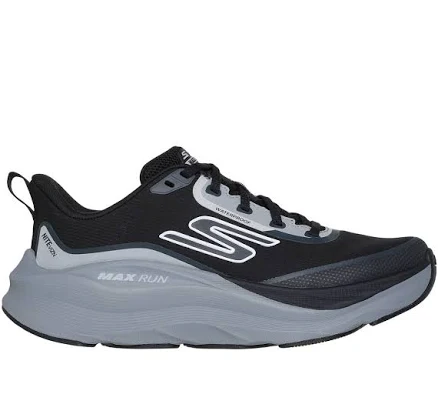
Skechers · Running & Athletic Shoes
Skechers Mens Max Cushioning Max Run
Lower concern. Standard sneaker with no known PFAS triggers.
Running shoe uses common textile and foam construction typical of athletic footwear. Skechers has not disclosed PFAS use or absence; no public testing data available for this model.
Still want this one anyway? Check the price on Amazon. We’d swap it.
Material
Mesh textile upper, foam midsole, rubber outsole
Brand disclosure
Brand is silent on PFAS
Lab data
No public lab test
What Skechers Mens Max Cushioning Max Run is made of, ingredients and materials
This shoe uses a mesh textile upper (synthetic or blend), foam midsole, and rubber outsole, common athletic sneaker construction. Mesh uppers are breathable and typically carry lower chemical burden than coated synthetics. Foam midsoles (usually EVA or polyurethane) can off-gas volatile compounds early in life, but this is brief and dissipates with wear. Rubber outsoles are inert once cured and do not leach under normal use.
What’s concerning
Category baseline
The starting point for this type of product, before anything specific to this product is counted.
No PFAS disclosure
No public statement from the brand about PFAS in this product.
Volatile organic compound (VOC) off-gassing from foam midsole
EVA and polyurethane foam midsoles routinely off-gas volatile compounds (toluene, xylene, or other solvents) for 24, 72 hours after manufacture; exposure is brief and dissipates quickly in ventilated spaces, with no established health risk at sneaker-use levels.
What’s reassuring
Base material not linked to PFAS
The main material recorded for this product is not one associated with PFAS.
Formaldehyde / VOCs
No documented use of formaldehyde-based dyes or sizing resins in Skechers sneaker uppers; however, brand does not disclose chemical processing, so presence cannot be ruled out with certainty.
Source, ATSDR ↗Azo dyes
No recalls or reported violations of azo-dye restrictions for this model or brand; standard athletic brands in this tier do not prominently use prohibited azo pigments, but testing is not publicly disclosed.
Antimony in polyester
Mesh uppers are typically nylon or polyester blends; antimony as a polyester catalyst is used in synthetic fibers but is not known to migrate under normal wear and has no established health hazard in finished textiles.
Lead
No documented contamination in Skechers rubber outsoles or textile dyes; modern athletic sneaker manufacturing in compliance regions typically excludes lead and cadmium, though brand does not publish independent testing.
Source, ATSDR ↗The full breakdown
The brand's record and disclosure
Skechers does not publicly disclose detailed chemical restrictions or third-party certifications (e.g., OEKO-TEX, bluesign) for most models. The brand has no major documented safety recalls related to this product line. No established evidence of formaldehyde-resin finishes, azo-dye violations, or heavy-metal pigment contamination in this model; however, absence of disclosure means assurance is limited to absence of incident, not active testing.
How it compares in its category
This shoe is typical of mass-market athletic footwear in material selection and hazard profile. It lacks third-party chemical certification (common in its price and volume tier). Premium competitors often carry OEKO-TEX or similar textile safety marks; budget and mid-tier brands like Skechers rarely do. Durability and off-gassing are comparable to other EVA-foam running shoes in the same category.
If you buy it
Air out new shoes for 24, 48 hours indoors or in well-ventilated space to allow initial off-gassing. Wash mesh upper by hand or gentle machine cycle to preserve textile integrity; avoid high heat. Replace when midsole compression becomes visible or cushioning noticeably flattens, typically 300, 500 miles of wear. Store in dry conditions to prevent mold or bacterial growth in damp foam.
What we don’t know
- Basis
- Model estimate, 72% confidence, not a lab result
- Lab test
- None on record for this exact product
- Brand statement
- Skechers has made none
Formulations change between production runs, so check the current label. How we grade.
More running & athletic shoes grades
How we score, every product runs through the same public 0-100 rubric based on materials, coatings, brand disclosure, lab findings, and recalls. See the full methodology → Spotted a mistake? Report an error.