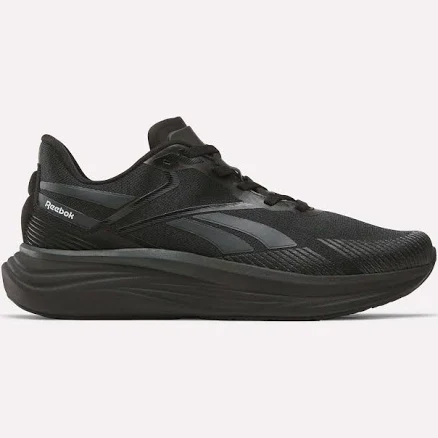
Reebok · Running & Athletic Shoes
Reebok Men's Viva Speed Shoes
Lower concern. No water-repellent coating evident on standard Reebok running shoe.
Reebok does not publicly disclose PFAS use or avoidance for this shoe. Standard athletic uppers and soles carry lower PFAS risk than treated waterproof or stain-resistant footwear, but confirmation requires direct brand inquiry.
Still want this one anyway? Check the price on Amazon. We’d swap it.
Material
textile upper, rubber sole, synthetic overlays
Lab data
No public lab test
What Reebok Men's Viva Speed Shoes is made of, ingredients and materials
The Viva Speed uses a textile upper (likely polyester or nylon blend), synthetic overlays for structure, and a rubber sole. Textile uppers can contain formaldehyde-based finishing resins used to stabilize fabric during manufacturing, and azo dyes to create color. The rubber sole is a commodity material with low acute hazard risk but may off-gas volatile organic compounds (VOCs) during early wear. No waterproofing membrane or water-repellent coating (water-repellent coating) coating is standard on this shoe model.
What’s concerning
Category baseline
The starting point for this type of product, before anything specific to this product is counted.
No PFAS disclosure
No public statement from the brand about PFAS in this product.
Formaldehyde / VOCs
Polyester and nylon uppers commonly receive formaldehyde-based finishing treatments to stabilize weave and improve shrink resistance. No specific test data for Viva Speed is on record, but the hazard is routine in textiles at this tier. Off-gassing and skin contact risk are low with normal use and ventilation.
Source, ATSDR ↗Azo dyes in synthetic textile
Textile uppers are typically colored with azo dyes, which can break down under heat, sweat, or UV to release aromatic amines. Reebok has not disclosed dye restrictions for this model. Risk is mitigated by normal laundering and sweat exposure during wear; residual dye leaching into skin is not established as a clinical hazard in footwear.
Volatile organic compounds (VOCs) from rubber sole and adhesives
Rubber manufacturing and shoe assembly involve solvents and volatile components that dissipate after production. The Viva Speed sole is not labeled as low-VOC. Early-wear odor and off-gassing are expected and typically resolve within days to weeks with air circulation.
Microplastics
Synthetic textile uppers shed microfibers during wear and washing. This is not unique to Reebok and is inherent to polyester and nylon footwear. Health impact via skin contact or inhalation during normal wear is not established; concern is primarily environmental.
Source, EPA ↗What’s reassuring
Base material not linked to PFAS
The main material recorded for this product is not one associated with PFAS.
Antimony in polyester synthetic fibers
Antimony is used as a catalyst in polyester production but remains chemically bound in the polymer chain. No migration or leaching of antimony from footwear textiles has been established in available literature. Not a documented concern for this product category under normal wear.
The full breakdown
The brand's record and disclosure
Reebok (owned by Authentic Brands Group as of 2022) has not published detailed chemical disclosure or certification statements specific to individual shoe lines. The brand has faced no major recalls or documented controversies related to formaldehyde, azo dyes, or other textile hazards in running shoes. Reebok does not advertise third-party certifications (such as bluesign or GOTS) for the Viva Speed, suggesting standard chemical management rather than restricted inputs.
How it compares in its category
Running shoes in this price and performance tier routinely use synthetic textile uppers with similar chemical finishing profiles. Competitors like Nike, Adidas, and New Balance employ comparable material chains and disclosure practices. The Viva Speed sits in the mainstream segment, no higher-end certifications (like Allbirds or Patagonia footwear), but also no outlier hazard signals. Absence of a water-repellent coating is typical for budget and mid-range running shoes, reducing one chemical exposure vector.
If you buy it
Air the shoes in a well-ventilated space for 24 to 48 hours after unboxing to off-gas residual solvents and volatile compounds from manufacturing. Wash the textile upper gently by hand with cool water and mild detergent every few weeks of use to remove accumulated dyes and dust; avoid hot water and bleach. Inspect the sole regularly for separation or cracking, and replace when structural integrity declines (typically 300 to 500 miles of running). Store in a cool, dry place away from direct heat or UV to slow degradation of the upper and sole.
What we don’t know
- Basis
- Model estimate, 62% confidence, not a lab result
- Lab test
- None on record for this exact product
- Brand statement
- Reebok has made a specific claim
Formulations change between production runs, so check the current label. How we grade.
More running & athletic shoes grades
How we score, every product runs through the same public 0-100 rubric based on materials, coatings, brand disclosure, lab findings, and recalls. See the full methodology → Spotted a mistake? Report an error.