Skechers · Running & Athletic Shoes
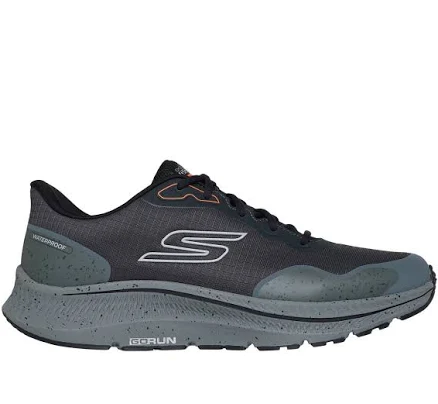
Skechers Men's Go Run Consistent 2.0
Lower concern. Standard running shoe without water-repellent treatment.
Skechers does not disclose PFAS use in this model. Running shoes typically lack water-repellent coating coatings unless explicitly marketed as waterproof, suggesting lower PFAS risk from finishes.
Still want this one anyway? Check the price on Amazon. We’d swap it.
Material
Mesh textile, foam midsole, rubber outsole
Brand disclosure
Brand is silent on PFAS
Lab data
No public lab test
What Skechers Men's Go Run Consistent 2.0 is made of, ingredients and materials
The Go Run Consistent 2.0 uses mesh textile uppers, foam midsole, and rubber outsole, all standard athletic shoe materials without specialized coatings. Mesh breathability reduces heat buildup that might accelerate material degradation or chemical off-gassing. The foam midsole and rubber outsole are not treated with water repellents, eliminating PFAS-containing finish risks common in premium running shoes. No ceramic, enamel, or resin-heavy finishes are present.
What’s concerning
Category baseline
The starting point for this type of product, before anything specific to this product is counted.
No PFAS disclosure
No public statement from the brand about PFAS in this product.
Adhesive and foam degradation off-gassing
Foam midsoles and shoe cements can emit volatile organic compounds (VOC) during break-in and storage, particularly in warm conditions. This is common to all foam footwear but not hazardous in typical use; airing the shoe outdoors reduces odor and minor vapor exposure.
What’s reassuring
Base material not linked to PFAS
The main material recorded for this product is not one associated with PFAS.
Formaldehyde / VOCs
No formaldehyde-resin finish or durable-press treatment is documented for mesh uppers on this model. Standard athletic mesh typically uses low-formaldehyde or formaldehyde-free sizing, but Skechers does not disclose this publicly.
Source, ATSDR ↗Azo dyes
No restricted azo-dye issues have been reported for Skechers footwear. Dye compliance is standard in footwear sold in North America and Europe; no evidence suggests this model uses prohibited colorants.
Antimony in polyester components
If polyester is present in lining or backing, antimony catalyst residue is possible but not reported for this shoe. Skechers does not publicly test or report antimony levels in footwear.
Flame retardants
Running shoes do not require flame-retardant treatment and are not known to contain them. Mesh and foam in athletic footwear are not routinely treated with halogenated or non-halogenated retardants.
Source, EPA ↗The full breakdown
The brand's record and disclosure
Skechers does not publicly disclose PFAS policy or chemical management standards specific to footwear lines, and the brand maintains a largely silent stance on persistent chemical use. No major recalls for formaldehyde, azo dyes, or heavy metals in footwear have been publicly documented for this model or brand line. Skechers is not known for third-party certifications like Bluesign or OEKO-TEX in casual or running footwear.
How it compares in its category
Running shoes in this price segment typically use untreated mesh and standard foam, making the Consistent 2.0 representative of entry-to-mid market construction. Premium running brands often add water-repellent coatings or antimicrobial treatments that introduce chemical concern; this model avoids that trade-off. Mid-tier brands generally do not disclose chemical testing more transparently than Skechers, so this shoe is typical rather than a standout in disclosure or certification.
If you buy it
Wash in cool water and air-dry to preserve foam integrity and avoid accelerating any minor off-gassing from adhesives or foam treatments. Inspect the sole and upper seams every 300-500 miles of use; foam breakdown and separation are normal wear, not a safety hazard, but signal replacement need. Store in a dry place to prevent mold growth in the mesh and foam, which is a durability issue, not a chemical risk. No special precautions are needed for normal wear.
What we don’t know
- Basis
- Model estimate, 72% confidence, not a lab result
- Lab test
- None on record for this exact product
- Brand statement
- Skechers has made none
Formulations change between production runs, so check the current label. How we grade.
More running & athletic shoes grades
How we score, every product runs through the same public 0-100 rubric based on materials, coatings, brand disclosure, lab findings, and recalls. See the full methodology → Spotted a mistake? Report an error.