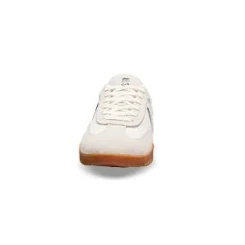
Converse · Running & Athletic Shoes
Converse Run Star Trainer
Lower concern. Canvas shoe with no waterproof treatment disclosed.
Converse Run Star is primarily canvas and rubber, materials with inherent lower PFAS risk. No waterproofing or stain-resistant coating mentioned; Converse has not publicly disclosed PFAS policies for this model.
Still want this one anyway? Check the price on Amazon. We’d swap it.
Material
Canvas, rubber sole
Brand disclosure
Brand is silent on PFAS
Lab data
No public lab test
What Converse Run Star Trainer is made of, ingredients and materials
The Converse Run Star Trainer uses canvas uppers (cotton blend) and rubber soles. Canvas is a natural cellulose fabric that typically requires minimal chemical treatment compared to synthetic textiles, though dyes and finishes can introduce concerns. The rubber sole is the primary synthetic component; modern rubber compounds can shed microparticles but are not known to leach hazardous chemicals during normal wear. Absence of stated waterproof coating means no PFAS-based water-repellent coating (water-repellent coating) treatment, which is a significant reduction in chemical load versus treated athletic shoes.
What’s concerning
Category baseline
The starting point for this type of product, before anything specific to this product is counted.
No PFAS disclosure
No public statement from the brand about PFAS in this product.
Azo dyes and synthetic dyes
Canvas dyes are not independently tested or disclosed by Converse. Azo dyes are restricted in the EU but permitted in the US; some can break down into carcinogenic amines under sweat/friction exposure. No recall history for this product, but risk is inherent to colored canvas footwear.
Formaldehyde / VOCs
Canvas may be treated with formaldehyde-based resins to improve crease resistance and durability. Converse does not disclose finish chemistry. Formaldehyde off-gassing is typically low in finished footwear but can be detected in new shoes and diminishes over weeks of wear.
Source, ATSDR ↗Rubber degradation and microparticles
The rubber sole sheds microparticles during normal wear, particularly with friction on pavement. This is not a toxicity hazard but an environmental concern; no evidence that rubber shoe wear poses direct health risk to the wearer, though repeated inhalation of worn rubber dust may irritate respiratory tissues in sensitive individuals.
Adhesive and glue leachables
Canvas-to-rubber and sole construction adhesives typically contain volatile organic compounds (VOCs) and can off-gas in new shoes. Converse does not publish adhesive specifications. VOC exposure is usually minimal in footwear but may trigger sensitivity in individuals with fragrance or chemical sensitivities.
What’s reassuring
Base material not linked to PFAS
The main material recorded for this product is not one associated with PFAS.
Heavy metals
No documented heavy metal contamination in Converse canvas shoes. However, pigments in colored fabrics can theoretically contain cadmium or lead in unrestricted suppliers. Converse does not independently test for this. Risk is low for this product category compared to glazed ceramics or cosmetics.
Source, FDA ↗The full breakdown
The brand's record and disclosure
Converse (owned by Nike) does not publicly disclose detailed chemical composition or restricted substance lists specific to individual shoe models, which limits transparency compared to brands like Allbirds or Patagonia. Nike has faced criticism for vague sustainability claims but maintains general compliance with footwear industry standards. No major chemical recalls or safety controversies are on record for standard Converse canvas trainers. The brand does not voluntarily publish PFAS testing or waterproofing ingredient disclosure.
How it compares in its category
Canvas shoes sit in the lower-risk tier of footwear chemistry because they avoid synthetic coatings and waterproofing treatments that trigger PFAS and other chemical concerns. Traditional canvas trainers like Converse are simpler chemically than technical running shoes, hiking boots, or treated leather footwear. However, they lack certifications (like GOTS for organic cotton or bluesign for dyeing standards) that would signal tighter chemical control. The trade-off is durability, untreated canvas can stain and wear faster, potentially shortening product life.
If you buy it
Wash canvas uppers regularly in cool water to prevent dye bleeding and to remove accumulated dust and dirt that can harbor bacteria or mold in storage. Avoid high heat (dryers, direct sunlight for extended periods) as this can degrade adhesives and rubber. Inspect soles for wear and separation every 3-6 months; discontinue use if the rubber delaminates, as this exposes internal materials. Store in a dry, well-ventilated space to prevent moisture-related degradation and odor from mold or bacterial growth.
What we don’t know
- Basis
- Model estimate, 72% confidence, not a lab result
- Lab test
- None on record for this exact product
- Brand statement
- Converse has made none
Formulations change between production runs, so check the current label. How we grade.
More running & athletic shoes grades
How we score, every product runs through the same public 0-100 rubric based on materials, coatings, brand disclosure, lab findings, and recalls. See the full methodology → Spotted a mistake? Report an error.