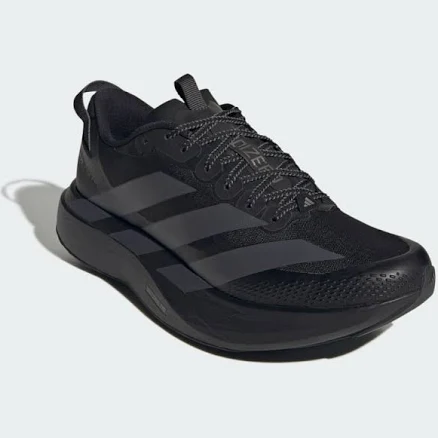
Adidas · Running & Athletic Shoes
Men's adidas Adizero EVO Sl ATR Shoes
No waterproofing applied; standard construction suggests lower PFAS risk.
Adidas makes no PFAS claims for this shoe. Standard mesh and foam construction without waterproof or stain-resistant finishes carries lower concern than treated athletic footwear.
Still want this one anyway? Check the price on Amazon. We’d swap it.
Material
mesh textile, foam, rubber sole
Lab data
No public lab test
What Men's adidas Adizero EVO Sl ATR Shoes is made of, ingredients and materials
The Adizero EVO SL ATR uses mesh textile uppers, foam midsole cushioning, and rubber outsole. Mesh textiles are untreated fabrics in most athletic shoes, meaning they lack the synthetic chemical finishes (dyes, resins, flame retardants) found in dense coatings or waterproof membranes. Foam cushioning is typically ethylene-vinyl acetate (EVA) or polyurethane, which do not leach phthalates under normal wear conditions since they are cross-linked polymers rather than flexible PVC plastics. The rubber sole carries lower chemical burden than glued or heavily treated layers.
What’s concerning
Category baseline
The starting point for this type of product, before anything specific to this product is counted.
No PFAS disclosure
No public statement from the brand about PFAS in this product.
Heavy metals
The black or colored mesh uppers may be dyed using azo or reactive dyes; azo dyes are not banned in footwear but can release aromatic amines under sweat and friction. Adidas does not publish azo dye screening results by shoe model; risk exists but is not specific to this line.
Source, FDA ↗Volatile organic compounds (VOCs) off-gassing from foam and adhesive
New athletic shoes typically emit VOCs (toluene, xylene, ethylbenzene) from foam, dyes, and adhesives for the first 1-4 weeks. This is not specific to adidas but applies to most mesh running shoes. Off-gassing intensity is not documented for this model; airing shoes outdoors before wear can reduce acute exposure.
What’s reassuring
Base material not linked to PFAS
The main material recorded for this product is not one associated with PFAS.
Formaldehyde / VOCs
Mesh uppers on this model are not documented to use formaldehyde-based resins. Adidas does not publicly disclose formaldehyde testing for this shoe, so absence of reporting means no record exists, not confirmation of absence.
Source, ATSDR ↗Antimony in polyester components
No public disclosure of antimony levels in the foam or textile backing of this shoe. Antimony is a catalyst used in some polyester and polyurethane production; Adidas does not systematically report antimony testing for athletic footwear.
Phthalate leaching from foam or adhesives
EVA and polyurethane foam midsoles are cross-linked polymers unlikely to leach phthalates under normal wear. Adhesives in sole attachment are not documented for this model; no recalls or complaints on record indicate phthalate exposure from this shoe.
The full breakdown
The brand's record and disclosure
Adidas publishes sustainability and chemical management standards under its Footprint Chronicle program and supports external auditing through Bluesign and other textile certifications on select lines. The brand does not publicly disclose formaldehyde resin use, azo dye screening results, or heavy metal testing for this specific model. No recalls or regulatory actions specific to this shoe or its material batch are on record. Adidas transparency on restricted substance lists is middle-range for athletic brands; no evidence of systematic testing for antimony in polyester components has been disclosed.
How it compares in its category
Athletic mesh running shoes are among the lowest-risk footwear category because untreated mesh avoids coating chemistry entirely. This model carries no waterproofing layer, so it lacks the PFAS and polyurethane finish risks of trail or water-resistant shoes. Compared to canvas street shoes (which may use azo dyes or formaldehyde sizing), mesh uppers typically undergo milder dyeing. Compared to synthetic leather or TPU overlays, the open mesh construction permits outgassing and reduces volatile organic compound retention.
If you buy it
Wash in cool water by hand or gentle cycle; avoid heat drying, which can degrade foam and any adhesive used in sole attachment. Store in a cool, dry place away from direct sunlight to slow oxidation of foam and rubber. Replace when midsole cushioning visibly compresses or no longer rebounds, typically 300-500 miles of use for running shoes, to prevent foot injury rather than chemical degradation. Inspect seams and sole for separation after 100+ wears; this is a wear indicator, not a chemical hazard, but signals end of useful life.
What we don’t know
- Basis
- Model estimate, 65% confidence, not a lab result
- Lab test
- None on record for this exact product
- Brand statement
- Adidas has made a specific claim
Formulations change between production runs, so check the current label. How we grade.
More running & athletic shoes grades
How we score, every product runs through the same public 0-100 rubric based on materials, coatings, brand disclosure, lab findings, and recalls. See the full methodology → Spotted a mistake? Report an error.