New Balance · Running & Athletic Shoes
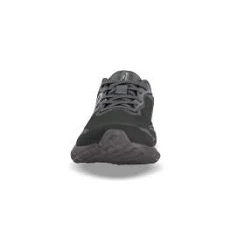
New Balance Women's Fresh Foam Arishi v4 Shoes
Standard athletic shoe with no known PFAS triggers, but no brand disclosure.
New Balance has not publicly disclosed PFAS use in this shoe model. Main materials are mesh, foam, and rubber, which pose lower inherent risk than water-resistant or stain-treated textiles. No independent testing available.
Still want this one anyway? Check the price on Amazon. We’d swap it.
Material
Mesh upper, Fresh Foam midsole, rubber outsole
Brand disclosure
Brand is silent on PFAS
Lab data
No public lab test
You may also be interested in
Top-graded picks in the categories readers replace first, every one scored on the same rubric.

- polypropylene filter housing, carbon/sediment cartridge
- We found no PFAS statement from the brand
- Bacterial growth in spent cartridges
3 hazards checked on this product, all on its full breakdown.

Aquasure
Premier Series 75 GPD Under Sink Reverse Osmosis Water Filtration System
- RO membrane, carbon filters, stainless steel housing
- We found no PFAS statement from the brand
- Bacterial and microbial growth in housing and filters
4 hazards checked on this product, all on its full breakdown.

Avocado
Vegan Mattress
- organic cotton, natural latex, coconut coir, recycled steel coils
- The brand calls it PFAS-free, which we have not verified
- Heavy metals
2 hazards checked on this product, all on its full breakdown.
What New Balance Women's Fresh Arishi v4 Shoes is made of, ingredients and materials
The Arishi v4 uses a mesh upper (synthetic fabric, likely polyester or nylon blend), New Balance's Fresh Foam midsole (proprietary EVA-based foam), and rubber outsole. Mesh uppers are generally low-risk because they breathe and don't require chemical-heavy coatings or glazes. The foam midsole is a common performance material with no established heavy-metal or volatile-organic-compound issues at normal use. The rubber outsole is standard wear material with minimal leach risk.
What’s concerning
Category baseline
The starting point for this type of product, before anything specific to this product is counted.
No PFAS disclosure
No public statement from the brand about PFAS in this product.
Azo dyes and color-based toxins
Colored mesh and foam components may use azo dyes, which can break down into carcinogenic amines under sweat exposure. New Balance does not disclose dye chemistry; risk is low for this shoe type but not independently verified.
Antimony in polyester
If the mesh or lining contains polyester (likely), antimony trioxide catalyst residues may be present at trace levels. This is standard in the industry; direct skin contact with polyester mesh carries negligible bioavailability risk.
What’s reassuring
Base material not linked to PFAS
The main material recorded for this product is not one associated with PFAS.
Formaldehyde / VOCs
Mesh uppers and synthetic linings do not typically require formaldehyde-based fabric finishes. No established reports of formaldehyde contamination in New Balance Arishi or comparable mesh running shoes.
Source, ATSDR ↗EVA foam off-gassing (VOC)
Fresh Foam and similar EVA midsoles can emit volatile organic compounds in manufacturing but off-gassing drops sharply after production. Worn shoes pose minimal VOC inhalation risk under normal conditions.
Adhesive and solvent residues
Shoe assembly uses industrial adhesives; residual volatile components typically dissipate within weeks of production. No recalls or complaints of chemical irritation linked to the Arishi v4.
How is this PFAS grade calculated?
The brand's record and disclosure
New Balance has not made prominent public commitments to PFAS elimination or chemical transparency in athletic footwear, though the Arishi v4 itself carries no known PFAS red flags. The brand does not publish detailed material safety data sheets or third-party certifications for most shoe lines. No significant recalls or contamination reports are on record for this specific model. Industry-wide, New Balance sits in the middle tier for transparency compared to brands like Adidas and Nike, which have begun phasing PFAS in foam.
How it compares in its category
Women's mesh running/lifestyle shoes typically avoid the highest-risk construction methods (glued synthetic overlays with heavy adhesives, treated leather). The Fresh Foam midsole is comparable to competitors' EVA foam in terms of chemical risk. This shoe avoids flame retardants and formaldehyde-based treatments that can appear in performance textiles. It is middle-of-the-road on disclosure; many budget brands offer less information, while sustainability-focused brands (Allbirds, On) provide more detail.
If you buy it
Mesh uppers require minimal special care; machine wash on cold or hand wash is commonly recommended for this material type. Avoid prolonged exposure to direct heat sources (radiators, car interiors) as EVA foam can soften, though normal wear and storage pose no risk. Replace when midsole compression becomes visible or outsole wear becomes uneven (typically 300-500 miles of running). Air dry only; do not tumble dry or bleach. No special hazard management needed beyond standard athletic shoe care.
What is not known about PFAS in this product?
- Basis
- Model estimate, 72% confidence, not a lab result
- Lab test
- None on record for this exact product
- Brand statement
- New Balance has made none
Formulations change between production runs, so check the current label. How we grade.
More running & athletic shoes grades
How we score, every product runs through the same public 0-100 rubric based on materials, coatings, brand disclosure, lab findings, and recalls. See the full methodology → Spotted a mistake? Report an error.