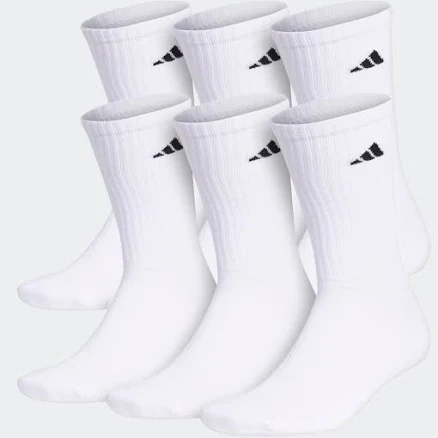
adidas Men's Athletic Cushioned Crew 6-Pack Socks
Lower concern, basic athletic socks with no known PFAS-prone treatments; buy with modest confidence.
Adidas athletic crew socks are primarily cotton and synthetic blends with no disclosed water-repellent, stain-resistant, or nonstick coatings typically associated with PFAS. The brand makes no PFAS claims or disclosures.
Still want this one anyway? Check the price on Amazon. We’d swap it.
Material
Cotton-blend athletic socks, no reported coating
Lab data
No public lab test
You may also be interested in
Top-graded picks in the categories readers replace first, every one scored on the same rubric.

- polypropylene filter housing, carbon/sediment cartridge
- We found no PFAS statement from the brand
- Bacterial growth in spent cartridges
3 hazards checked on this product, all on its full breakdown.

Aquasure
Premier Series 75 GPD Under Sink Reverse Osmosis Water Filtration System
- RO membrane, carbon filters, stainless steel housing
- We found no PFAS statement from the brand
- Bacterial and microbial growth in housing and filters
4 hazards checked on this product, all on its full breakdown.

Avocado
Vegan Mattress
- organic cotton, natural latex, coconut coir, recycled steel coils
- The brand calls it PFAS-free, which we have not verified
- Heavy metals
2 hazards checked on this product, all on its full breakdown.
What adidas Men's Athletic 6-Pack Socks is made of, ingredients and materials
Adidas athletic crew socks are primarily cotton blended with synthetic fibers (typically polyester and elastane) for stretch and durability. Cotton is inherently low-risk, but polyester can shed microfibers when washed and worn; elastane adds elasticity but contributes synthetic microplastic potential over the sock's lifetime. No water-repellent or antimicrobial coatings are noted on this basic performance model, which removes several chemical treatment risks common in technical socks.
What’s concerning
Category baseline
The starting point for this type of product, before anything specific to this product is counted.
No PFAS disclosure
No public statement from the brand about PFAS in this product.
Formaldehyde / VOCs
Cotton-blend athletic socks often receive wrinkle-resistant or softening finishes using formaldehyde-releasing resins to improve fit and comfort. Adidas does not publicly disclose finishing protocols for basic socks; risk is low with standard manufacturing but off-gassing is possible in the first few washes.
Source, ATSDR ↗Microfiber and microplastic shedding
Polyester and elastane blends shed microscopic fibers during washing and wear, confirmed across the apparel industry. This product's synthetic content (typically 20-30% polyester plus elastane) means routine microfiber release; cumulative environmental and potential ingestion risk from laundered water is documented but not acutely hazardous to the wearer.
Allergic reaction to synthetic fibers or dyes
Individuals with sensitive skin or synthetic fiber sensitivity may experience irritation from elastane or residual dye; prevalence is low but not eliminated by brand reputation. First-wash rinsing and patch testing on inner foot reduces risk for sensitive users.
What’s reassuring
Base material not linked to PFAS
The main material recorded for this product is not one associated with PFAS.
Azo dyes and colorant safety
No established incidents of restricted azo dyes in Adidas basic socks. The brand operates under EU textile regulations that prohibit the most hazardous azo compounds; however, independent third-party testing of dye safety is not disclosed for this product.
Antimony in polyester
Polyester fiber typically uses antimony trioxide as a catalyst in production; residual antimony in finished fiber is minimal and well below regulatory limits in major markets. No testing or recalls indicate excess antimony in standard Adidas socks.
How is this PFAS grade calculated?
The brand's record and disclosure
Adidas has faced scrutiny for labor and supply-chain transparency but maintains moderate chemical safety standards under EU and US footwear regulations. The brand does not publicly disclose PFAS use or mitigation policies for basic apparel, reflected in the silent stance noted above. No recalls or established chemical contamination incidents are on record for standard Adidas socks, and the company participates in bluesign and similar material certification programs for some product lines, though not universally.
How it compares in its category
This 6-pack sits in the mainstream athletic sock tier, comparable to Nike, Under Armour, and store brands in formulation and testing rigor. Unlike premium 'eco' or 'waterproof' variants, it avoids water-repellent coating (water-repellent coating) coatings that typically contain PFAS, presenting lower concern than marketed technical alternatives. Standard cotton-polyester athletic socks across brands carry similar microfiber and formaldehyde-resin finish risks, making this product representative rather than exceptional.
If you buy it
Wash in cold water to minimize microfiber shedding and synthetic polymer degradation. Replace socks every 6-12 months depending on wear, as elastic breakdown accelerates microplastic release. Machine wash inside a mesh bag if available to contain shed fibers. Avoid bleach (unnecessary for cotton blends) and high-heat drying, which weakens synthetic fibers and increases degradation.
What is not known about PFAS in this product?
- Basis
- Model estimate, 82% confidence, not a lab result
- Lab test
- None on record for this exact product
- Brand statement
- Adidas has made a specific claim
Formulations change between production runs, so check the current label. How we grade.
More performance socks grades
How we score, every product runs through the same public 0-100 rubric based on materials, coatings, brand disclosure, lab findings, and recalls. See the full methodology → Spotted a mistake? Report an error.