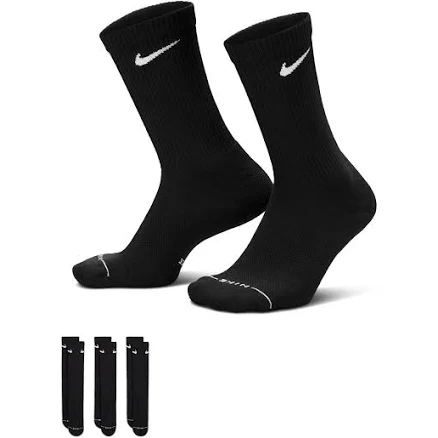
Nike Everyday Elevated Socks
Lower PFAS concern; basic socks without water-repellent coating or stain treatments, but no public transparency from Nike.
Nike Everyday Elevated Socks are standard cotton-blend socks without advertised water-resistant or stain-resistant finishes, which are typical PFAS application points. Nike hasn't disclose PFAS policies or made PFAS-free claims for this product. No third-party PFAS testing data is publicly available.
Still want this one anyway? Check the price on Amazon. We’d swap it.
Material
Cotton blend (primary); elastic/synthetic cuffs
Lab data
No public lab test
You may also be interested in
Top-graded picks in the categories readers replace first, every one scored on the same rubric.

- polypropylene filter housing, carbon/sediment cartridge
- We found no PFAS statement from the brand
- Bacterial growth in spent cartridges
3 hazards checked on this product, all on its full breakdown.

Aquasure
Premier Series 75 GPD Under Sink Reverse Osmosis Water Filtration System
- RO membrane, carbon filters, stainless steel housing
- We found no PFAS statement from the brand
- Bacterial and microbial growth in housing and filters
4 hazards checked on this product, all on its full breakdown.

Avocado
Vegan Mattress
- organic cotton, natural latex, coconut coir, recycled steel coils
- The brand calls it PFAS-free, which we have not verified
- Heavy metals
2 hazards checked on this product, all on its full breakdown.
What Nike Everyday Elevated Socks is made of, ingredients and materials
Nike Everyday Elevated Socks are primarily cotton blended with synthetic fibers (likely polyester or nylon), with elastic and synthetic binding at the cuff. Cotton dominates the contact surface, reducing risk of skin irritation from polymer-derived compounds. The synthetic components provide durability and elastic recovery but are minimal in volume. No water-resistant or stain-resistant finish is advertised, which eliminates the most common source of PFAS in casual hosiery.
What’s concerning
Category baseline
The starting point for this type of product, before anything specific to this product is counted.
No PFAS disclosure
No public statement from the brand about PFAS in this product.
Azo dyes in cotton/synthetic blend
Cotton socks routinely use azo dyes for color. While regulated azo dyes are permitted for use, some cheaper formulations may include non-banned azo compounds that can release carcinogenic amines under sweat and friction. Nike is a premium brand with established supplier standards, lowering this risk, but no specific test data is publicly available for this SKU.
Antimony in polyester/synthetic cuff
Polyester and nylon components may contain antimony as a catalyst residue from manufacturing. This is a regulated substance but can migrate in trace amounts. Direct skin contact in socks is brief and localized to the cuff; systemic absorption risk is low, but sensitive individuals may experience localized irritation.
Elastic degradation and skin sensitivity
Synthetic elastics (spandex/elastane blend) degrade over time, especially with heat and repeated stretching, potentially releasing microfibers and irritant compounds. This is a wear-and-tear issue rather than a manufacturing defect, but individuals with latex or rubber sensitivities should monitor for localized itching at the cuff.
Microfiber shedding from synthetic content
Synthetic-blended socks shed microfibers during washing, contributing to aquatic microplastic pollution. This is an environmental rather than direct consumer health hazard, but users concerned about microplastic release can reduce it by washing in a lint-trap bag and air-drying.
What’s reassuring
Base material not linked to PFAS
The main material recorded for this product is not one associated with PFAS.
Formaldehyde / VOCs
Everyday cotton-blend socks typically do not undergo formaldehyde-based wrinkle or shrink-proofing treatments unless marketed as 'easy care.' No such claim appears on this product, and off-gassing risk after washing is negligible for casual hosiery.
Source, ATSDR ↗How is this PFAS grade calculated?
The brand's record and disclosure
Nike has faced historical scrutiny over labor and environmental practices but maintains compliance with standard textile safety regulations (Oeko-Tex, CPSIA). The brand has not published a dedicated PFAS transparency statement specific to socks or general apparel, which is consistent with industry silence on this issue. No recalls for chemical contamination of these socks are on record. Nike's overall commitment to transparent chemistry disclosure is moderate.
How it compares in its category
Everyday cotton-blend socks like this occupy the mainstream safety tier. They carry lower chemical risk than heavily treated performance socks marketed with antimicrobial, moisture-wicking, or stain-guard finishes, which often involve fluorochemicals or metallic silver compounds. Nike's product sits at baseline for the category, no exceptional hazard reduction, but no known cost-cutting shortcuts in raw materials either.
If you buy it
Wash socks in cold to warm water before first wear to remove any residual dyes or finishes. Machine wash in standard detergent; tumble dry is acceptable given the synthetic blend's heat tolerance. Replace when elastic fails or fabric pills significantly, typically 12-18 months of regular wear. Store in a dry location to prevent mold; avoid prolonged exposure to direct sunlight, which can degrade elastic prematurely.
What is not known about PFAS in this product?
- Basis
- Model estimate, 72% confidence, not a lab result
- Lab test
- None on record for this exact product
- Brand statement
- Nike has made a specific claim
Formulations change between production runs, so check the current label. How we grade.
More performance socks grades
How we score, every product runs through the same public 0-100 rubric based on materials, coatings, brand disclosure, lab findings, and recalls. See the full methodology → Spotted a mistake? Report an error.