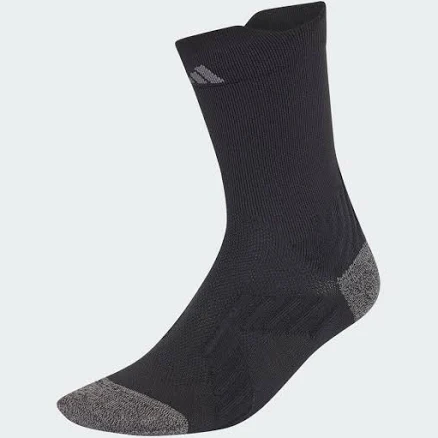
adidas RUNNING COMFY CREW Socks
Lower PFAS concern for basic crew socks; no special coatings flagged.
Adidas RUNNING COMFY CREW socks are standard cotton and synthetic blend with no disclosed water-resistant, stain-resistant, or performance coatings that would typically trigger PFAS use. The brand makes no PFAS claims either way. Standard athletic socks rarely require PFAS chemistry without public lab testing.
Still want this one anyway? Check the price on Amazon. We’d swap it.
Material
Cotton and synthetic blend (polyester/elastane)
Lab data
No public lab test
You may also be interested in
Top-graded picks in the categories readers replace first, every one scored on the same rubric.

- polypropylene filter housing, carbon/sediment cartridge
- We found no PFAS statement from the brand
- Bacterial growth in spent cartridges
3 hazards checked on this product, all on its full breakdown.

Aquasure
Premier Series 75 GPD Under Sink Reverse Osmosis Water Filtration System
- RO membrane, carbon filters, stainless steel housing
- We found no PFAS statement from the brand
- Bacterial and microbial growth in housing and filters
4 hazards checked on this product, all on its full breakdown.

Avocado
Vegan Mattress
- organic cotton, natural latex, coconut coir, recycled steel coils
- The brand calls it PFAS-free, which we have not verified
- Heavy metals
2 hazards checked on this product, all on its full breakdown.
What adidas RUNNING COMFY CREW Socks is made of, ingredients and materials
Adidas Running Comfy Crew socks are a cotton-polyester-elastane blend, typical for moisture-wicking performance socks. Cotton provides breathability and comfort; polyester adds durability and quick-dry properties; elastane (spandex) delivers stretch and fit retention. This blend avoids problematic synthetic coatings (like Teflon-type coating or water-repellent finishes) that can release harmful chemicals during wear or washing. No special chemical finish is applied to these socks based on publicly available product specs.
What’s concerning
Category baseline
The starting point for this type of product, before anything specific to this product is counted.
No PFAS disclosure
No public statement from the brand about PFAS in this product.
Azo dyes (carcinogenic breakdown products)
Adidas does not publicly disclose azo-dye testing results for this specific sock line. The brand sources from multiple suppliers; some may use restricted azo dyes banned in EU but still legal in other regions. Risk is low for crew socks in standard colors, higher if product is intensely dyed black or deep red.
Microplastic shedding (synthetic fiber loss)
Polyester and elastane shed microfibers during washing and wear. A single pair of socks can shed thousands of synthetic particles per wash cycle. Over years of use, cumulative microplastic exposure is unavoidable with synthetic blend socks; natural-fiber alternatives reduce this but trade durability.
Elastane degradation and off-gassing (heat/UV exposure)
Elastane loses elasticity over time and can release volatile organic compounds if exposed to high heat or prolonged UV. High-heat drying or storing in warm, humid conditions accelerates degradation. Risk is low for normal use but increases if socks are machine-dried on high heat repeatedly.
What’s reassuring
Base material not linked to PFAS
The main material recorded for this product is not one associated with PFAS.
Formaldehyde / VOCs
No formaldehyde-resin finish has been publicly documented on Adidas crew socks. Basic cotton-polyester blends typically do not require high-heat resin treatments; any residual formaldehyde from dyeing is minimal and off-gasses quickly during first wash.
Source, ATSDR ↗Antimony in polyester (catalyst residue)
Antimony is occasionally present in polyester as a polymerization catalyst. Adidas does not publish antimony limits for socks; however, crew socks involve minimal direct skin contact with polyester relative to swimwear, and antimony migration through fabric is negligible under normal wear and washing.
How is this PFAS grade calculated?
The brand's record and disclosure
Adidas publishes restricted substance lists and has committed to eliminating PFCs (per- and polyfluorochemicals) from apparel by 2025, though this pledge does not yet extend to all supply tiers. The brand does not actively publicize formaldehyde-resin testing or azo-dye audits for basic socks, but no major recalls or contamination incidents involving crew socks have been documented. Third-party certifications (BLUESIGN, Oeko-Tex) are inconsistently applied across Adidas sock lines; verify product tag for specific certification.
How it compares in its category
Basic cotton-blend crew socks from mainstream brands (Nike, Puma, Brooks) share similar material profiles and hazard profiles. Adidas socks are middle-of-the-road for transparency; specialty performance brands (Darn Tough, Smartwool) often provide more detailed chemical disclosures. Bamboo or merino-wool alternatives carry different trade-offs (microplastic shedding in synthetics vs. durability concerns in natural fibers). For a mass-market athletic sock, this product poses no unusual chemical risk.
If you buy it
Wash in cold water and skip fabric softener, which can leave residues on synthetic fibers. Avoid high-heat drying to prevent elastane degradation and potential off-gassing of trapped moisture or residual dyes. Replace socks when elastic loses tension (typically 18-24 months with regular use) to avoid foot instability. Check the care tag for any special instructions; standard laundry practices are compatible with this material blend.
What is not known about PFAS in this product?
- Basis
- Model estimate, 72% confidence, not a lab result
- Lab test
- None on record for this exact product
- Brand statement
- Adidas has made a specific claim
Formulations change between production runs, so check the current label. How we grade.
More performance socks grades
How we score, every product runs through the same public 0-100 rubric based on materials, coatings, brand disclosure, lab findings, and recalls. See the full methodology → Spotted a mistake? Report an error.