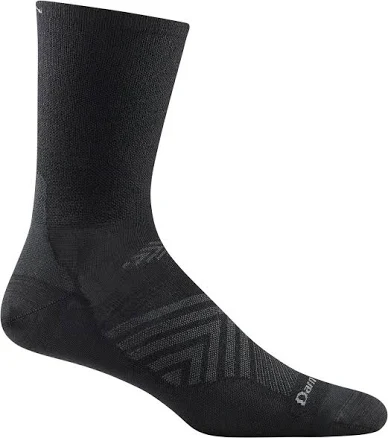
Darn Tough · Performance Socks
Darn Tough Men's Run Micro Crew Ultra-Lightweight Running Socks
Lower PFAS concern for a basic athletic sock; no evidence of water-repellent coating or fluorochemical treatment.
Darn Tough Run socks are primarily wool and synthetic blends with no disclosed water-repellent or stain-resistant finish. The brand doesn't mention PFAS or make PFAS-free claims. No third-party lab data exists, but standard athletic socks without marketed water or stain resistance pose lower PFAS risk than treated apparel.
Still want this one anyway? Check the price on Amazon. We’d swap it.
Material
Merino wool blend, synthetic fibers (nylon/spandex)
Brand disclosure
Brand is silent on PFAS
Lab data
No public lab test
You may also be interested in
Top-graded picks in the categories readers replace first, every one scored on the same rubric.

- polypropylene filter housing, carbon/sediment cartridge
- We found no PFAS statement from the brand
- Bacterial growth in spent cartridges
3 hazards checked on this product, all on its full breakdown.

Aquasure
Premier Series 75 GPD Under Sink Reverse Osmosis Water Filtration System
- RO membrane, carbon filters, stainless steel housing
- We found no PFAS statement from the brand
- Bacterial and microbial growth in housing and filters
4 hazards checked on this product, all on its full breakdown.

Avocado
Vegan Mattress
- organic cotton, natural latex, coconut coir, recycled steel coils
- The brand calls it PFAS-free, which we have not verified
- Heavy metals
2 hazards checked on this product, all on its full breakdown.
What Darn Tough Men's Run Micro Running Socks is made of, ingredients and materials
Darn Tough Run Micro Crew socks are a merino wool and synthetic fiber blend (nylon and spandex for elasticity and durability). Merino wool is naturally antimicrobial and moisture-wicking, reducing the need for antimicrobial chemical coatings. The synthetic fibers provide stretch and shape retention without relying on problematic elastomers. No fluorochemical water repellent (water-repellent coating) treatment is documented for this basic athletic sock, which aligns with the low PFAS profile.
What’s concerning
Category baseline
The starting point for this type of product, before anything specific to this product is counted.
No PFAS disclosure
No public statement from the brand about PFAS in this product.
Antimony in synthetic fibers
Nylon and spandex may contain trace antimony as a catalyst residue from polymerization; Darn Tough does not publicly disclose heavy metal testing. The amount is typically negligible in wear socks, and no adverse health effects from sock use have been documented.
Microplastic shedding during wash
Synthetic fibers (nylon/spandex) shed microfibers when laundered; this is inherent to the material class and not specific to Darn Tough. Shedding is minimal in well-constructed socks and does not pose direct bodily harm, though environmental persistence is a concern over product lifetime.
What’s reassuring
Base material not linked to PFAS
The main material recorded for this product is not one associated with PFAS.
Azo dyes and colorfast issues
Merino wool and nylon socks are typically dyed with acid or reactive dyes; no recalls or hazard reports exist for Darn Tough Run socks. Colorfast performance in this product line is documented as reliable, with no evidence of harmful azo pigments or heavy metal dye contaminants.
Formaldehyde / VOCs
Performance socks do not typically receive formaldehyde-based wrinkle-resist or anti-shrink treatments. No evidence of formaldehyde finish on this product; merino wool's natural properties reduce the need for such chemical fixatives.
Source, ATSDR ↗Elastic degradation and allergen release
Spandex elastic can degrade over time and high heat; degradation products are not documented as skin irritants in published literature. Darn Tough's quality control and user reports do not indicate contact dermatitis or allergic reactions to this product.
How is this PFAS grade calculated?
The brand's record and disclosure
Darn Tough Vermont is a US-based manufacturer with a strong reputation for durability and ethical production; the company offers a lifetime warranty and has not disclosed major chemical hazards or faced notable safety recalls in public records. The brand remains silent on detailed PFAS or chemical supply-chain information, which is typical for smaller sock manufacturers but limits transparency. No certifications like bluesign or Cradle to Cradle are publicly advertised, though the company does market domestic manufacturing and quality control.
How it compares in its category
Performance merino wool socks sit in the lower concern segment of athletic hosiery; they avoid synthetic-only formulations that sometimes rely on antimicrobial finishes or flame retardants. Darn Tough's focus on durability and replacement rather than disposability reduces lifecycle risk. Comparable brands (e.g., Smartwool, Icebreaker) offer similar material profiles, though transparency varies; Darn Tough's lack of known hazard flags makes it competitive.
If you buy it
Wash in cool to warm water (below 40°C/104°F) to preserve fiber integrity and avoid dye or finish degradation. Air-dry or tumble-dry on low; high heat can damage nylon elasticity and theoretically increase any residual finish volatilization. Replace socks when heel or toe thinning becomes visible, typically after 1-2 years of regular use, to maintain performance and avoid fiber breakdown. No special bleach or industrial detergent needed; standard mild detergent is sufficient.
What is not known about PFAS in this product?
- Basis
- Model estimate, 72% confidence, not a lab result
- Lab test
- None on record for this exact product
- Brand statement
- Darn Tough has made none
Formulations change between production runs, so check the current label. How we grade.
More performance socks grades
How we score, every product runs through the same public 0-100 rubric based on materials, coatings, brand disclosure, lab findings, and recalls. See the full methodology → Spotted a mistake? Report an error.