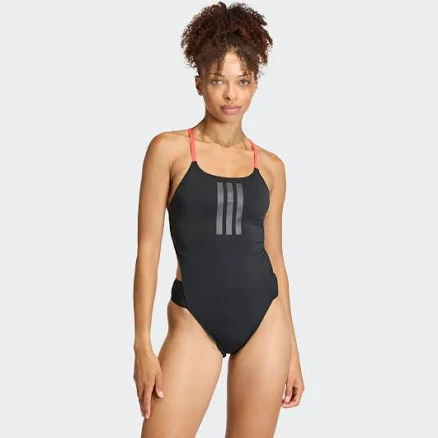
adidas RIPSTREAM 3-STRIPES TIE BACK SWIMSUIT
Moderate concern; swimwear water-repellent coating often contains PFAS, but Adidas discloses nothing either way.
This swim product likely carries water-repellent coating finish typical of performance swimwear, historically PFAS-based. Adidas provides no public PFAS statement.
The better-graded swap
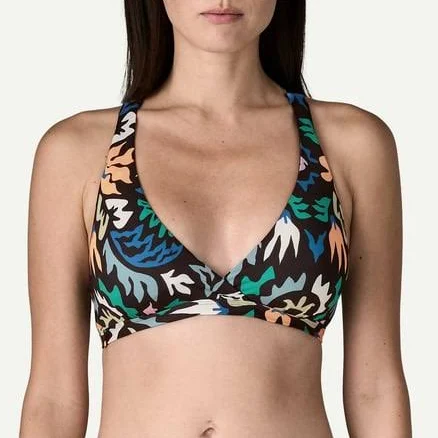
Patagonia
Patagonia Women's Bottom Turn Racerback Bikini Top
90/100 safety
Same rubric that flunked this product. The swap earned Excellent.
Still want this one anyway? Check the price on Amazon. We’d swap it.
Material
Nylon/polyester blend with water-repellent coating (water-repellent coating) coating
Lab data
No public lab test
What adidas RIPSTREAM 3-STRIPES TIE BACK is made of, ingredients and materials
This swimsuit blends nylon and polyester, both synthetic polymers chosen for durability, stretch, and water resistance in swim applications. The critical unknown is the water-repellent coating (water-repellent coating) finish applied to the fabric. water-repellent coating coatings on swimwear are commonly fluorochemical-based (PFAS), though some brands have switched to fluorine-free alternatives. Adidas provides no public specification of which type is used on this product, leaving the PFAS content unverified.
What’s concerning
Category baseline
The starting point for this type of product, before anything specific to this product is counted.
No PFAS disclosure
No public statement from the brand about PFAS in this product.
Waterproof / stain-resistant treatment
Water-repellent coating treatments have historically used PFAS.
PFAS
Fluorochemical water-repellent coating is standard on swimwear but Adidas does not disclose whether this product uses PFAS or fluorine-free alternatives. No independent testing of this specific SKU is publicly available. Skin contact with water-repellent coating is low risk, but leaching into water and ingestion concern exists if coating degrades.
Source, ATSDR ↗Microplastic shedding from synthetic fabric
Nylon and polyester swimsuits shed microfibers during washing and wear, particularly after the coating begins to deteriorate. This is not unique to Adidas but inherent to synthetic swimwear; shedding accelerates if water-repellent coating fails or bleaches degrade fiber structure.
Degradation of elastane blend over time
Chlorine, salt, and UV exposure degrade spandex and nylon fibers, weakening the suit's structure and allowing coating breakdown. This is not a chemical hazard per se but accelerates release of coating particles into water and increases replacement frequency.
What’s reassuring
Azo dyes in synthetic textiles
Adidas products typically comply with REACH and bluesign standards (where applied), which restrict carcinogenic azo dyes. No specific azo dye violations have been reported for this product line, though ingredient transparency remains limited.
Formaldehyde / VOCs
Modern swimwear water-repellent coating coatings and elastane finishes do not commonly use formaldehyde-releasing resins, but no specific certification or test data is publicly available for this Adidas model to rule it out entirely.
Source, ATSDR ↗The full breakdown
The brand's record and disclosure
Adidas has not published a company-wide PFAS elimination policy or swimwear-specific water-repellent coating ingredient disclosures as of recent public records. The brand certified to bluesign and OEKO-TEX standards on some products but has not committed to fluorine-free water-repellent coating across its swimwear line. This silence on a well-known chemical of concern in textiles reflects limited transparency compared to competitors (e.g., Allbirds, Patagonia) that explicitly state lower concern PFAS formulations.
How it compares in its category
Most mainstream athletic swimwear uses fluorinated water-repellent coating coatings; premium brands increasingly offer fluorine-free options. Adidas's lack of disclosure places this product in the uncertain middle ground. Budget swimwear often lacks water-repellent coating entirely (less water repellency but no PFAS exposure), while eco-certified lines typically market fluorine-free coatings as a selling point, making their safety profile clearer at point of purchase.
If you buy it
Rinse the suit thoroughly after each saltwater or chlorinated pool use to reduce chemical buildup and extend coating life. Avoid high-heat drying (tumble dry low or air dry) to prevent polymer degradation and coating breakdown, which can accelerate microfiber shedding. Replace when elasticity fails (typically 1-2 years with regular use) rather than continuing wear with a compromised fit, as loosening increases microplastic release into water. Hand wash in cool water with mild detergent when possible.
What we don’t know
- Basis
- Model estimate, 45% confidence, not a lab result
- Lab test
- None on record for this exact product
- Brand statement
- Adidas has made a specific claim
Formulations change between production runs, so check the current label. How we grade.
Better-graded alternatives in Swimwear
Patagonia
Women's Bottom Turn Racerback Bikini Top
- Nylon/polyester blend with elastane (standard swimwear)
- The brand calls it PFAS-free, which we have not verified
- Elastane (spandex) degradation under heat or chlorine

Solid & Striped
Taylor One Piece Seersucker Plaid
- Cotton/cotton-blend seersucker plaid
- We found no PFAS statement from the brand
- Azo dyes and colorfast stability
2 hazards checked on this product. See all of them.
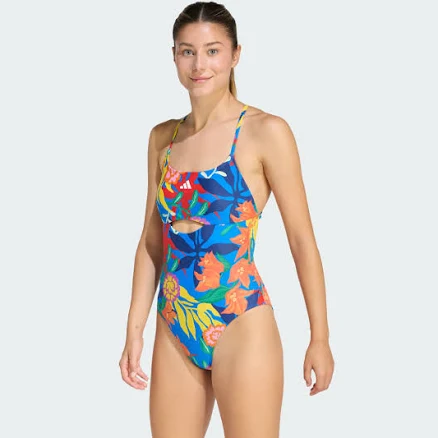
Adidas
Women's Mexicana Florals Tie-Back Swimsuit
- Polyester/nylon swimsuit fabric, likely uncoated or standard finish
- Azo dyes and synthetic colorants
4 hazards checked on this product. See all of them.
More swimwear grades
How we score, every product runs through the same public 0-100 rubric based on materials, coatings, brand disclosure, lab findings, and recalls. See the full methodology → Spotted a mistake? Report an error.