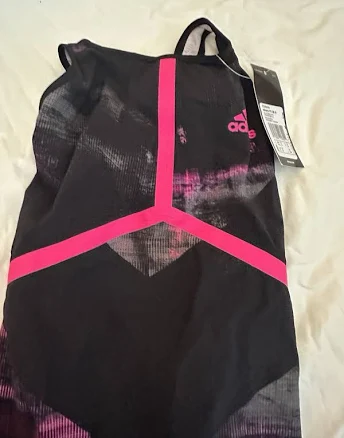
adidas Swim adidas Adizero Freestyle Swimsuit Women's
Skip until Adidas confirms PFAS-free water-repellent coating or adopts fluorine-free alternatives.
Performance swimsuits receive water-repellent finishes for durability. Adidas does not disclose whether their water-repellent coating uses traditional PFAS or fluorine-free alternatives.
The better-graded swap
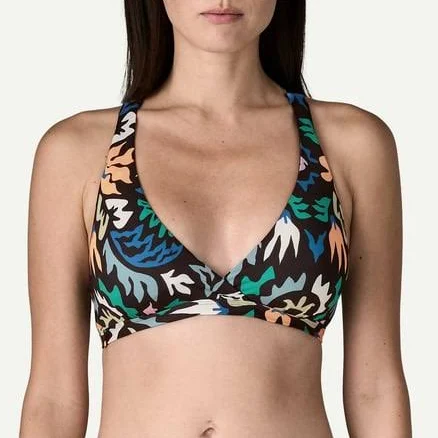
Patagonia
Patagonia Women's Bottom Turn Racerback Bikini Top
90/100 safety
Same rubric that flunked this product. The swap earned Excellent.
Still want this one anyway? Check the price on Amazon. We’d swap it.
Material
Polyester with water-repellent treatment
Lab data
No public lab test
What adidas Swim adidas Adizero Freestyle is made of, ingredients and materials
Adizero Freestyle is constructed from polyester with a water-repellent (water-repellent coating) surface treatment. Polyester itself is a stable synthetic polymer with low leaching risk during normal wear. The water-repellent coating finish is the chemical concern, traditional water-repellent coatings on swimwear commonly use fluorinated compounds (PFAS) to achieve durability through multiple wash cycles. This treatment sits on the fabric surface and degrades over time, particularly with laundering, heat drying, and chlorine exposure.
What’s concerning
Category baseline
The starting point for this type of product, before anything specific to this product is counted.
No PFAS disclosure
No public statement from the brand about PFAS in this product.
Waterproof / stain-resistant treatment
Water-repellent coating treatments have historically used PFAS.
PFAS
Traditional water-repellent coating treatments on polyester swimwear commonly contain fluorinated compounds. Adidas has not confirmed fluorine-free alternatives for this model, making PFAS presence likely but unverified. Leaching risk increases with chlorine exposure and repeated washing.
Source, ATSDR ↗Microplastic shedding from coating degradation
As the water-repellent coating degrades over repeated laundering and chlorine exposure, polyester fibers and coating fragments may shed into water. This is a concern for aquatic environments and not specific to Adidas, but exacerbated by shorter product lifespan.
Chlorine and UV degradation accelerating leaching
Polyester and synthetic coatings degrade faster in chlorinated pools and sunlight, which can accelerate leaching of residual chemicals from the water-repellent coating treatment. This is a general property of treated swimwear, not unique to this product, but relevant to heavy swimmers.
What’s reassuring
Formaldehyde / VOCs
Adidas swimwear typically undergoes standard finishing processes. No public recalls or warnings specific to formaldehyde in Adizero products have been documented. OEKO-TEX certification (which screens for formaldehyde) is not claimed on this product.
Source, ATSDR ↗Heavy metals
Adidas uses reputable suppliers for polyester dyeing, and no product-specific incidents of azo dye toxicity or heavy metal contamination in Adizero swimwear are on record. Most conventional athletic polyester meets safety thresholds for consumer goods.
Source, FDA ↗The full breakdown
The brand's record and disclosure
Adidas has not publicly confirmed whether this specific Adizero line uses PFAS-free water-repellent coating or fluorinated alternatives. The brand has made general sustainability commitments but has not issued transparent material safety data sheets for most swimwear products. No product-specific PFAS testing results or certifications (such as OEKO-TEX or Cradle to Cradle) are listed on retail pages for this model. This silence is notable in an industry where competitors (e.g., Patagonia) increasingly disclose water-repellent coating chemistry.
How it compares in its category
Most mass-market polyester swimwear uses some form of water-repellent finish; Adidas is not an outlier here. However, premium brands and eco-conscious competitors increasingly market fluorine-free water-repellent coating (typically silicone or wax-based alternatives, which are less durable but involve lower concern regarding PFAS). Adizero positions itself as performance-oriented rather than eco-certified, which correlates with higher likelihood of conventional fluorinated treatments. This product sits in the mid-market athletic category where PFAS disclosure is inconsistent.
If you buy it
Rinse thoroughly in cool water after each swim to remove chlorine and salt, which accelerate water-repellent coating breakdown and leaching. Avoid machine drying on high heat; air dry only, as heat degrades the coating and may increase microparticle shedding. Replace after 1-2 seasons of frequent use (typically 50+ wash cycles) when water repellency visibly fails, signaling coating degradation. If concerned about PFAS, contact Adidas customer service to request water-repellent coating material specifications before purchase.
What we don’t know
- Basis
- Model estimate, 45% confidence, not a lab result
- Lab test
- None on record for this exact product
- Brand statement
- Adidas has made a specific claim
Formulations change between production runs, so check the current label. How we grade.
Better-graded alternatives in Swimwear
Patagonia
Women's Bottom Turn Racerback Bikini Top
- Nylon/polyester blend with elastane (standard swimwear)
- The brand calls it PFAS-free, which we have not verified
- Elastane (spandex) degradation under heat or chlorine

Solid & Striped
Taylor One Piece Seersucker Plaid
- Cotton/cotton-blend seersucker plaid
- We found no PFAS statement from the brand
- Azo dyes and colorfast stability
2 hazards checked on this product. See all of them.
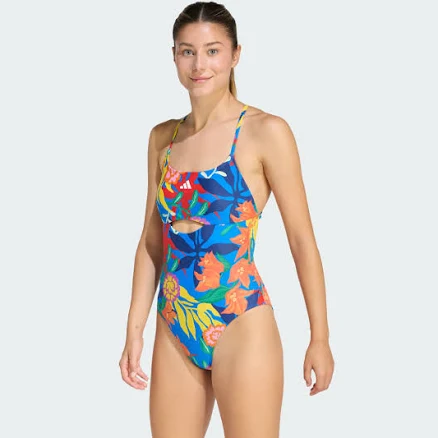
Adidas
Women's Mexicana Florals Tie-Back Swimsuit
- Polyester/nylon swimsuit fabric, likely uncoated or standard finish
- Azo dyes and synthetic colorants
4 hazards checked on this product. See all of them.
More swimwear grades
How we score, every product runs through the same public 0-100 rubric based on materials, coatings, brand disclosure, lab findings, and recalls. See the full methodology → Spotted a mistake? Report an error.