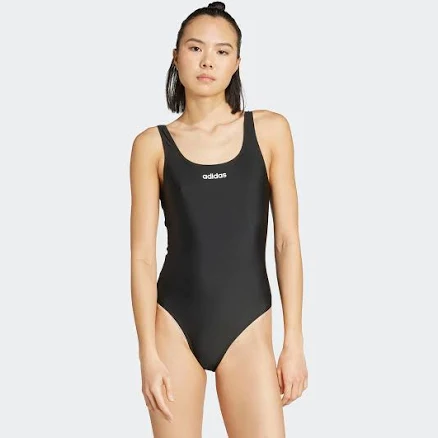
adidas Women's Originals U-back Swimsuit
Skip or contact Adidas directly; swimwear water-repellent coating often uses PFAS, and brand discloses nothing.
Swimsuit features polyester or nylon with water-repellent coating water-repellent coating, typically PFAS-based. Adidas provides no PFAS disclosure or certification.
The better-graded swap
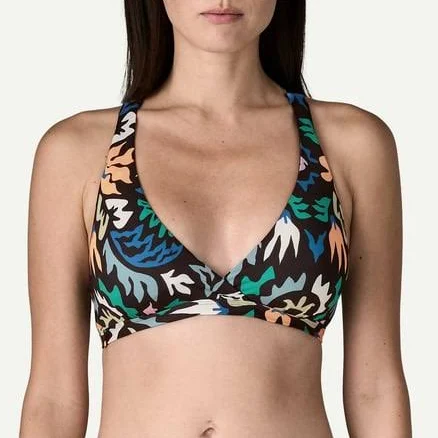
Patagonia
Patagonia Women's Bottom Turn Racerback Bikini Top
90/100 safety
Same rubric that flunked this product. The swap earned Excellent.
Still want this one anyway? Check the price on Amazon. We’d swap it.
Material
polyester/nylon blend with water-repellent coating water-repellent coating
Lab data
No public lab test
What adidas Women's Originals U-back Swimsuit is made of, ingredients and materials
This swimsuit is polyester and nylon, both synthetic polymers that resist water absorption naturally. The water-repellent coating (water-repellent coating) finish applied to the fabric is the critical unknown, these coatings often contain PFAS (PFAS "forever chemicals"), which don't break down in the body or environment. Adidas has not publicly disclosed whether this specific garment uses PFAS-based or PFAS-free water-repellent coating technology, making the coating chemistry opaque to consumers.
What’s concerning
Category baseline
The starting point for this type of product, before anything specific to this product is counted.
No PFAS disclosure
No public statement from the brand about PFAS in this product.
Waterproof / stain-resistant treatment
Water-repellent coating treatments have historically used PFAS.
Antimony in polyester
Antimony trioxide is used as a catalyst in polyester synthesis and can remain as a trace residue. Leaching into skin from swimwear is considered minimal because swimwear contact is wet and brief, but the element is present in the polymer matrix. Adidas has not disclosed antimony residue testing for this product.
water-repellent coating degradation and microparticle release
As the water-repellent finish breaks down with use and washing, microscopic coating particles may shed into water and the environment. This is not a direct skin health hazard but an environmental concern. Frequency and volume of particle release depend on coating chemistry and durability, neither of which Adidas has disclosed.
PFAS
PFAS-based water-repellent coating is the historical standard in swimwear; Adidas has not publicly committed to or confirmed PFAS-free alternatives for this product. PFAS accumulate in human blood and persist indefinitely. Given the brand's silence, the presence of PFAS cannot be ruled out and should be verified before purchase if this is a concern.
Source, ATSDR ↗What’s reassuring
Azo dyes
Polyester and nylon textiles can be colored with azo dyes, which may release carcinogenic amines under certain conditions. No specific azo dye warnings have been documented for Adidas Originals swimwear, and the brand adheres to bluesign standards in some product lines, which restrict problematic azo compounds.
Formaldehyde / VOCs
Synthetic textile finishes sometimes contain formaldehyde-releasing compounds for wrinkle resistance or color-fastness. No formaldehyde contamination has been reported for this product, and modern Adidas manufacturing typically avoids free formaldehyde in apparel.
Source, ATSDR ↗The full breakdown
The brand's record and disclosure
Adidas has not published a comprehensive PFAS phase-out policy or commitment specific to swimwear water-repellent coating coatings, unlike some competitors (e.g., Patagonia's public fluorocarbon restrictions). The brand does hold bluesign and Cradle to Cradle certifications for some product lines, but these do not automatically guarantee PFAS-free water-repellent coating. No product-specific recalls or safety warnings for this swimsuit have been documented in public records.
How it compares in its category
Most mainstream swimwear brands (Nike, Speedo, Roxy) apply water-repellent coating coatings without transparent PFAS disclosure, making Adidas typical rather than exceptional. Brands explicitly committed to PFAS-free water-repellent coating (like Patagonia and some smaller eco-labels) are the clearer choice if PFAS avoidance is a priority. This product sits in the middle, reputable manufacturing but opaque chemical governance.
If you buy it
Rinse the swimsuit in cool fresh water immediately after saltwater or chlorine exposure to extend coating durability and reduce any potential chemical leaching. Avoid high heat (hot water, machine drying, direct sunlight for long periods) as synthetic coatings can degrade. Hand wash and air dry in shade. Replace when the water-repellent coating visibly beads water less effectively, typically after 50-100 wears depending on use intensity. If PFAS exposure concerns you, contact Adidas customer service to request explicit confirmation of water-repellent coating chemistry before purchase.
What we don’t know
- Basis
- Model estimate, 42% confidence, not a lab result
- Lab test
- None on record for this exact product
- Brand statement
- Adidas has made a specific claim
Formulations change between production runs, so check the current label. How we grade.
Better-graded alternatives in Swimwear
Patagonia
Women's Bottom Turn Racerback Bikini Top
- Nylon/polyester blend with elastane (standard swimwear)
- The brand calls it PFAS-free, which we have not verified
- Elastane (spandex) degradation under heat or chlorine

Solid & Striped
Taylor One Piece Seersucker Plaid
- Cotton/cotton-blend seersucker plaid
- We found no PFAS statement from the brand
- Azo dyes and colorfast stability
2 hazards checked on this product. See all of them.
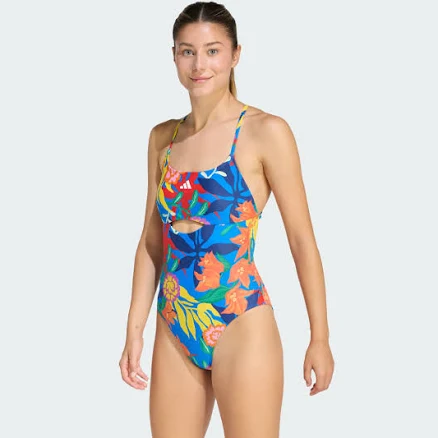
Adidas
Women's Mexicana Florals Tie-Back Swimsuit
- Polyester/nylon swimsuit fabric, likely uncoated or standard finish
- Azo dyes and synthetic colorants
4 hazards checked on this product. See all of them.
More swimwear grades
How we score, every product runs through the same public 0-100 rubric based on materials, coatings, brand disclosure, lab findings, and recalls. See the full methodology → Spotted a mistake? Report an error.