
Aerie Ribbed Tankini Bikini Top
Lower concern, standard swimwear fabric with no known PFAS drivers, but no brand transparency.
Aerie's ribbed tankini top is made from common nylon/polyester swimwear materials that typically do not require fluorinated water-repellent finishes. Aerie has not disclosed PFAS practices.
The better-graded swap
Patagonia
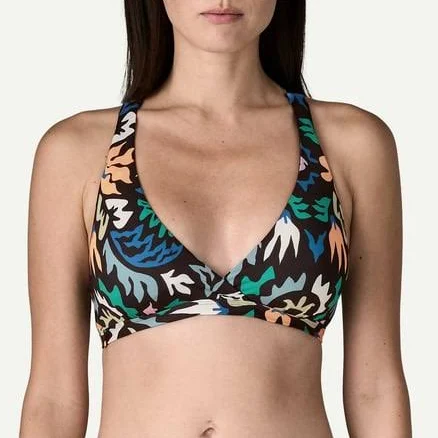
Patagonia Women's Bottom Turn Racerback Bikini Top
90/100 safety
Same rubric that flunked this product. The swap earned Excellent.
Still want this one anyway? Check the price on Amazon. We’d swap it.
Material
Nylon/polyester blend (typical swimwear)
Brand disclosure
Brand is silent on PFAS
Lab data
No public lab test
You may also be interested in
Top-graded picks in the categories readers replace first, every one scored on the same rubric.

- polypropylene filter housing, carbon/sediment cartridge
- We found no PFAS statement from the brand
- Bacterial growth in spent cartridges
3 hazards checked on this product, all on its full breakdown.

Aquasure
Premier Series 75 GPD Under Sink Reverse Osmosis Water Filtration System
- RO membrane, carbon filters, stainless steel housing
- We found no PFAS statement from the brand
- Bacterial and microbial growth in housing and filters
4 hazards checked on this product, all on its full breakdown.

Avocado
Vegan Mattress
- organic cotton, natural latex, coconut coir, recycled steel coils
- The brand calls it PFAS-free, which we have not verified
- Heavy metals
2 hazards checked on this product, all on its full breakdown.
What Aerie Ribbed Tankini Bikini Top is made of, ingredients and materials
The Aerie Ribbed Tankini Bikini Top is a nylon/polyester blend, the industry standard for swimwear because these synthetics resist chlorine, salt water, and UV exposure better than natural fibers. Nylon and polyester themselves are chemically stable in normal use and do not leach problematic compounds into skin or water under typical wearing conditions. The ribbed construction adds structural integrity without requiring problematic elastic additives or heavy finishing chemicals.
What’s concerning
Category baseline
The starting point for this type of product, before anything specific to this product is counted.
No PFAS disclosure
No public statement from the brand about PFAS in this product.
Azo dyes and colorfast stability
Swimwear fabrics are typically dyed with azo or reactive dyes. While azo dyes are regulated and banned substances are prohibited in the US, some lower-cost dye batches may release color more readily in water or sweat, especially in the first few washes. No specific recall or test failure is on record for Aerie swimwear, but this is a category-wide minor risk for darker colors.
Elastic degradation and microfiber shedding
Swimwear elastics (typically spandex/elastane blended with nylon) degrade from chlorine, UV, and mechanical stress. As elastic breaks down, microscopic fibers can shed into water and the environment. This is inherent to synthetic swimwear across brands and not unique to Aerie; replacement every 1-2 years minimizes this.
Allergic reactions to synthetic fibers or dyes
Individual sensitivities to nylon, polyester, or dye compounds can cause contact dermatitis or urticaria, particularly in people with textile allergies or sensitive skin. This is a personal risk factor, not a manufacturing defect, and affects a small subset of wearers regardless of brand.
What’s reassuring
Base material not linked to PFAS
The main material recorded for this product is not one associated with PFAS.
Formaldehyde / VOCs
Formaldehyde-based resins are sometimes used in textile finishing for shape retention or wrinkle resistance. No documented use or complaint is on record for Aerie swimwear. Standard washing and wearing rapidly off-gas any residual formaldehyde, making this a low or negligible risk for this product type.
Source, ATSDR ↗Heavy metals
Some synthetic dyes and pigments can contain trace nickel, cobalt, or chromium. No specific contamination has been reported in Aerie products. Regulatory limits for apparel colorants are enforced in the US, but independent testing would be required to rule this out with certainty.
Source, FDA ↗How is this PFAS grade calculated?
The brand's record and disclosure
Aerie (owned by American Eagle) has not published detailed chemical disclosure or third-party certifications for swimwear lines, nor has it made formal PFAS statements. The brand has faced no major product safety recalls or documented chemical contamination scandals in swimwear. Aerie's parent company does participate in some sustainability initiatives, but swimwear-specific transparency remains limited compared to leaders like Patagonia or Allbirds.
How it compares in its category
Aerie swimwear sits in the mainstream market segment (similar to Target, Old Navy) rather than premium or eco-certified tiers. Most mainstream swimwear uses identical nylon/polyester blends and carries comparable hazard profiles. Higher-end or eco-labeled alternatives (e.g., Patagonia, Girlfriend Collective) may offer third-party testing or GOTS certification, but those come at significantly higher price; Aerie's safety profile is not materially worse.
If you buy it
Rinse the top in cool fresh water after each swim to remove chlorine and salt, which degrade elastic and dyes over time. Air dry completely and avoid direct prolonged sunlight to slow color fading and elastic breakdown. Replace when elastic loses compression (typically 1-2 years with frequent use) or if color runs significantly in the wash. Wash in cool water with mild detergent; avoid hot water and bleach, which accelerate synthetic fiber degradation and dye release.
What is not known about PFAS in this product?
- Basis
- Model estimate, 72% confidence, not a lab result
- Lab test
- None on record for this exact product
- Brand statement
- Aerie has made none
Formulations change between production runs, so check the current label. How we grade.
What are the PFAS-free alternatives to Aerie Ribbed Tankini Bikini Top?
- Nylon/polyester blend with elastane (standard swimwear)
- The brand calls it PFAS-free, which we have not verified
- Elastane (spandex) degradation under heat or chlorine
More swimwear grades
How we score, every product runs through the same public 0-100 rubric based on materials, coatings, brand disclosure, lab findings, and recalls. See the full methodology → Spotted a mistake? Report an error.