
Aerie Horseshoe Ring Halter Full Coverage One Piece Swimsuit
Lower concern for a standard swimsuit. No known PFAS treatment triggers, but Aerie silent.
This is a basic nylon-polyester one-piece with no reported water-repellent, stain-resistant, or specialized coatings. Aerie hasn't disclosed PFAS use or absence. Without evidence of water-repellent coating treatment or other finishing chemicals, risk is substantially lower than technical swimwear.
The better-graded swap
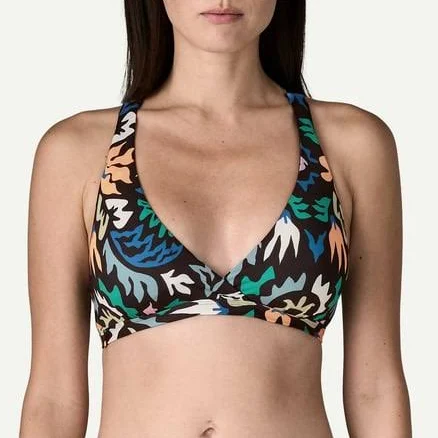
Patagonia
Patagonia Women's Bottom Turn Racerback Bikini Top
90/100 safety
Same rubric that flunked this product. The swap earned Excellent.
Still want this one anyway? Check the price on Amazon. We’d swap it.
Material
Nylon/polyester blend swimsuit fabric
Brand disclosure
Brand is silent on PFAS
Lab data
No public lab test
What Aerie Horseshoe Ring Halter Full Coverage is made of, ingredients and materials
This swimsuit is a nylon-polyester blend, the industry standard for performance swimwear. Nylon provides stretch and durability; polyester adds color retention and chlorine resistance. Neither material is inherently hazardous in swimwear form, though both are synthetic polymers that shed microfibers when laundered. The one-piece construction and full coverage reduce surface area that could degrade or shed fibers into water.
What’s concerning
Category baseline
The starting point for this type of product, before anything specific to this product is counted.
No PFAS disclosure
No public statement from the brand about PFAS in this product.
Azo dyes and color fastness
Nylon-polyester swimwear typically uses reactive or disperse dyes; no specific testing data for Aerie exists in public records. Risk of dye bleeding into water or skin is low under normal conditions but cannot be fully ruled out without batch-level disclosure.
Microplastic shedding
All synthetic swimwear sheds microfibers in the wash. Nylon and polyester blends are among the worst offenders. A single wash can release hundreds of fibers; cumulative environmental impact is established, though direct health risk to wearer is negligible.
Elastic degradation and metal nickel content
Swimsuit elastics sometimes contain nickel-plated metal trim (fasteners, hardware). No known nickel incidents with Aerie swimwear, but patch testing is not publicly available. Risk is low unless direct skin contact with metal components occurs.
Chlorine interaction and fabric wear
Chlorine exposure degrades nylon and polyester over time, accelerating pilling, color loss, and elastic failure. This is material-level risk, not a manufacturing defect, and is inherent to pool use regardless of brand.
What’s reassuring
Base material not linked to PFAS
The main material recorded for this product is not one associated with PFAS.
Formaldehyde / VOCs
No formaldehyde release incidents reported for Aerie swimwear. Swimwear undergoes heavy laundering which typically removes residual resins; risk is minimal compared to apparel worn dry-cleaned or never washed.
Source, ATSDR ↗The full breakdown
The brand's record and disclosure
Aerie (American Eagle's intimates/activewear brand) does not publicly disclose detailed chemical sourcing, dye safety, or PFAS treatment policies for swimwear, though the parent company has committed to some chemical transparency initiatives. No major recalls or safety controversies specific to Aerie swimwear are on public record. The silent stance on PFAS treatment is not unusual for mass-market swimwear brands but limits consumer confidence in water-repellency claims, if any.
How it compares in its category
Aerie swimwear sits in the mid-market segment, priced below premium technical brands (Speedo, Arena) and above budget alternatives. Material and construction quality are typical for this tier; no known performance or durability advantages or disadvantages versus comparable one-piece offerings. The lack of explicit certifications (OEKO-TEX, Bluesign) is standard for mainstream brands at this price point.
If you buy it
Rinse with fresh water after chlorine or saltwater exposure to reduce chemical buildup and extend life. Wash in cold water, gentle cycle, and air-dry to minimize microfiber shedding and preserve elastic. Replace when elastic fails or seams separate, typically after 1-2 seasons of regular use. Avoid prolonged exposure to direct sunlight or heat, which can degrade nylon and polyester faster.
What we don’t know
- Basis
- Model estimate, 72% confidence, not a lab result
- Lab test
- None on record for this exact product
- Brand statement
- Aerie has made none
Formulations change between production runs, so check the current label. How we grade.
Better-graded alternatives in Swimwear
Patagonia
Women's Bottom Turn Racerback Bikini Top
- Nylon/polyester blend with elastane (standard swimwear)
- The brand calls it PFAS-free, which we have not verified
- Elastane (spandex) degradation under heat or chlorine
More swimwear grades
How we score, every product runs through the same public 0-100 rubric based on materials, coatings, brand disclosure, lab findings, and recalls. See the full methodology → Spotted a mistake? Report an error.