
Aerie Pique Full Coverage One Piece Swimsuit
Lower PFAS concern. Standard swimwear with no water-repellent finish flagged.
Aerie's one-piece is primarily nylon and polyester, materials not inherently dependent on PFAS. The brand makes no PFAS claims and discloses nothing about water-repellent coating treatments. Standard swim-knit fabrics typically require minimal chemical finishing, so risk is lower than hardshell outerwear.
The better-graded swap
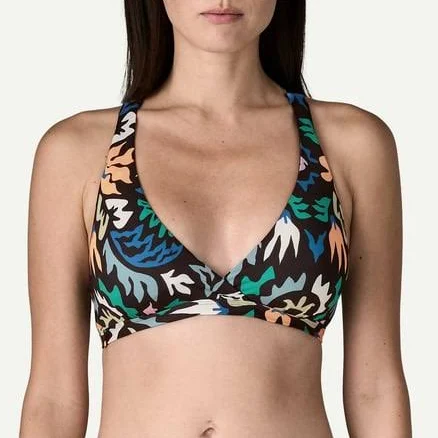
Patagonia
Patagonia Women's Bottom Turn Racerback Bikini Top
90/100 safety
Same rubric that flunked this product. The swap earned Excellent.
Still want this one anyway? Check the price on Amazon. We’d swap it.
Material
nylon/polyester blend
Brand disclosure
Brand is silent on PFAS
Lab data
No public lab test
What Aerie Pique Full Coverage One Piece is made of, ingredients and materials
Aerie's pique one-piece uses a nylon/polyester blend, a common swimwear base that does not inherently require water-repellent chemical finishes. The pique texture is a woven pattern, not a coating, so it avoids the Teflon-type coating or fluorocarbon treatments that drive PFAS concern in performance swimwear. The blend itself is chemically stable in normal use; the main exposure pathway is dye chemistry during manufacturing and wear, not material degradation.
What’s concerning
Category baseline
The starting point for this type of product, before anything specific to this product is counted.
No PFAS disclosure
No public statement from the brand about PFAS in this product.
Azo dyes and dye migration
Nylon and polyester swimwear are typically dyed with reactive or acid dyes; some azo dyes (if used) can leach into sweat or chlorinated water, especially in dark colors. No public testing of this specific product for azo content is on record; risk is category-standard, not elevated for Aerie.
Formaldehyde / VOCs
Some swimwear uses formaldehyde-based anti-wrinkle or shrink-control resins during finishing. Aerie does not publish finish specifications; residual formaldehyde off-gassing into sweat during wear is possible but typically low after one wash.
Source, ATSDR ↗Antimony in polyester
Polyester fiber is often catalyzed with antimony trioxide; this remains in the polymer structure and does not leach in normal wear. Skin contact and sweat do not mobilize it, so exposure risk is negligible for end users.
Microplastic shedding
Nylon and polyester shed small fibers in washing, particularly in early wears. This is environmental, not a direct health hazard to the wearer, but relevant to product lifecycle impact. Rinsing in a mesh bag or washing infrequently reduces fiber loss.
What’s reassuring
Base material not linked to PFAS
The main material recorded for this product is not one associated with PFAS.
Teflon-type coating or fluorocarbon coatings
Pique construction and the product description indicate no water-repellent finish; Teflon-type coating fume risk at heat is not present. This is a significant advantage over treated performance swimwear.
The full breakdown
The brand's record and disclosure
Aerie (American Eagle's intimates label) does not publicly disclose detailed chemical supplier standards or third-party swimwear certifications like OEKO-TEX or bluesign. The brand has not faced major recalls or chemical controversies tied to swimwear in public records. Their silence on PFAS and chemical transparency is typical for mainstream swimwear makers but below the standard of specialty eco-brands.
How it compares in its category
Standard nylon/polyester one-pieces like this are the baseline of the category; they carry no inherent advantage or disadvantage versus competitors at the same price tier (Old Navy, Target, Lands End). Premium swimwear often adds silicone coatings or fluorocarbon water repellency, which raises PFAS risk; Aerie's basic construction avoids that. Specialty eco-brands (Patagonia, Girlfriend Collective) publish dye and chemical audits, positioning them as lower-chemical alternatives.
If you buy it
Rinse in cool water after each saltwater or chlorine use to remove residual chemicals and reduce dye migration into skin. Wash in cool water with mild detergent; avoid bleach, which can break down nylon fibers over time and may increase leaching of residual dyes. Replace when elasticity fails or seams separate, typically after 50-80 wears of regular use. Store dry away from direct sunlight to slow dye fading and fiber weakening.
What we don’t know
- Basis
- Model estimate, 72% confidence, not a lab result
- Lab test
- None on record for this exact product
- Brand statement
- Aerie has made none
Formulations change between production runs, so check the current label. How we grade.
Better-graded alternatives in Swimwear
Patagonia
Women's Bottom Turn Racerback Bikini Top
- Nylon/polyester blend with elastane (standard swimwear)
- The brand calls it PFAS-free, which we have not verified
- Elastane (spandex) degradation under heat or chlorine
More swimwear grades
How we score, every product runs through the same public 0-100 rubric based on materials, coatings, brand disclosure, lab findings, and recalls. See the full methodology → Spotted a mistake? Report an error.