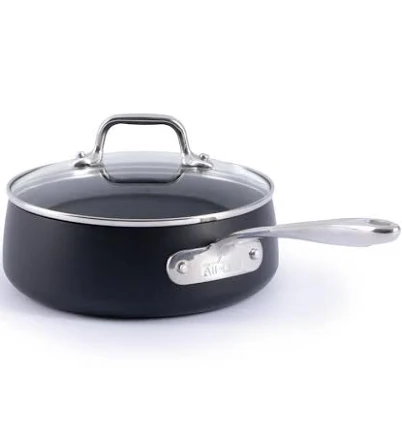
All-Clad HA1 Expert 2.5-Quart Nonstick Sauce Pan with Lid, Is It Non-Toxic?
Teflon-type coating non-stick coating, disclosed by the brand.
All-Clad says its nonstick contains Teflon-type coating, and lists its HA1, Essentials, NS1, D3 and D5 nonstick lines among its Teflon-type coating coated products. Teflon-type coating is a Teflon-family coating in the PFAS family.
The better-graded swap
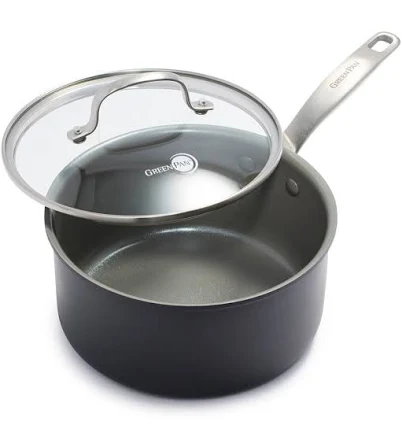
GreenPan
GreenPan Chatham Ceramic Nonstick 3-Quart Saucepan with Lid
70/100 safety
Same rubric that flunked this product. The swap earned Good.
Still want this one anyway? Check the price on Amazon. We’d swap it.
Material
Teflon-type coating non-stick coating, as disclosed by All-Clad
Lab data
No public lab test
You may also be interested in
Top-graded picks in the categories readers replace first, every one scored on the same rubric.

- polypropylene filter housing, carbon/sediment cartridge
- We found no PFAS statement from the brand
- Bacterial growth in spent cartridges
3 hazards checked on this product, all on its full breakdown.

Aquasure
Premier Series 75 GPD Under Sink Reverse Osmosis Water Filtration System
- RO membrane, carbon filters, stainless steel housing
- We found no PFAS statement from the brand
- Bacterial and microbial growth in housing and filters
4 hazards checked on this product, all on its full breakdown.

Avocado
Vegan Mattress
- organic cotton, natural latex, coconut coir, recycled steel coils
- The brand calls it PFAS-free, which we have not verified
- Heavy metals
2 hazards checked on this product, all on its full breakdown.
Is All-Clad HA1 Expert 2.5-Quart Nonstick Lid non-toxic? What it is made of
The All-Clad HA1 Expert uses Teflon-type coating (polytetrafluoroethylene) as its nonstick coating, which the brand discloses. Teflon-type coating is chemically inert at normal cooking temperatures but degrades when exposed to prolonged high heat (above 500F/260C), releasing volatile organic compounds and perfluorinated compounds. The cookware's stainless steel base and aluminum core conduct heat efficiently, but the Teflon-type coating layer is the functional component users interact with.
What’s concerning
No PFAS disclosure
No PFAS-free statement from the brand for this product.
PTFE / Teflon confirmed
The brand discloses a Teflon-type coating.
Category baseline
The starting point for this type of product, before anything specific to this product is counted.
Teflon-type coating thermal decomposition and fume risk
Teflon-type coating coatings release volatile gases when heated above 500F. Overheating is the primary user-controlled trigger; all-clad does not sell with a maximum-temperature indicator or automatic cutoff. Risk is mitigated by medium-heat cooking but requires user discipline and knowledge.
Coating degradation and microparticle ingestion
Teflon-type coating coatings can chip, flake, or wear with use, especially under mechanical stress (metal utensils, abrasive scouring). No published testing confirms the toxicity of small Teflon-type coating particles if ingested, but degraded cookware is a recognized failure mode across the nonstick category.
Aluminum core leaching
The HA1 Expert uses an aluminum core for heat distribution. Aluminum can leach into acidic or alkaline foods, though typical amounts are not classified as hazardous by regulatory agencies. The stainless steel cladding limits direct contact, but any breach in the Teflon-type coating could expose aluminum.
PFAS
Teflon-type coating coatings inherently contain or are produced using PFAS compounds. Brand has not disclosed PFOA avoidance, manufacturing emissions testing, or post-manufacture purging. Off-gassing of residual PFAS during initial use is a known occurrence in new nonstick cookware.
Source, ATSDR ↗What’s reassuring
Lead
All-Clad does not disclose the lid glazing chemistry. Standard stainless steel or painted steel lids carry minimal risk of lead/cadmium leaching, but no third-party testing is on record for this specific product's lid.
Source, ATSDR ↗How is this PFAS grade calculated?
The brand's record and disclosure
All-Clad has disclosed the Teflon-type coating nonstick composition but has not published a formal stance on PFAS reduction, alternative materials, or lifecycle safety testing. The brand does not advertise PFOA-free status or third-party chemical certifications (e.g., Greenguard, GreenScreen). No recalls for chemical leaching or fume events are on record for this model. All-Clad's silence on PFAS mitigation is notable in a category where some competitors market ceramic or fluorine-free coatings.
How it compares in its category
Teflon-type coating nonstick remains standard in mid- to high-end cookware; All-Clad is a premium brand whose HA1 line positions this pan as a durable, performance product. Ceramic nonstick alternatives (e.g., GreenPan, Caraway) have emerged to address PFAS concerns, though they often show faster coating wear and lower heat tolerance. Compared to uncoated stainless steel or cast iron, the HA1 trades chemical exposure risk for ease of cleanup and lower oil/fat requirements. All-Clad's warranty and build quality are strong, but the nonstick chemistry itself is not differentiated from other Teflon-type coating cookware.
If you buy it
Never preheat empty or expose the pan to direct flame or temperatures above 500F; use medium heat for cooking to avoid coating breakdown. Hand wash only; dishwasher use accelerates coating wear. Inspect the nonstick surface regularly for scratches, discoloration, or flaking; discard or cease use of the pan if the coating is visibly compromised. Store carefully to avoid contact with sharp utensils. If you smell fumes or notice browning of the coating, discontinue use immediately and replace the pan.
What is not known about PFAS in this product?
- Basis
- Model estimate, 35% confidence, not a lab result
- Lab test
- None on record for this exact product
- Brand statement
- All-Clad has made a specific claim
Formulations change between production runs, so check the current label. How we grade.
What are the PFAS-free alternatives to All-Clad HA1 Expert 2.5-Quart Nonstick Sauce Pan with Lid?
- Ceramic nonstick coating
- The brand calls it PFAS-free, which we have not verified
- Aluminum leaching
2 hazards checked on this product, all on its full breakdown.
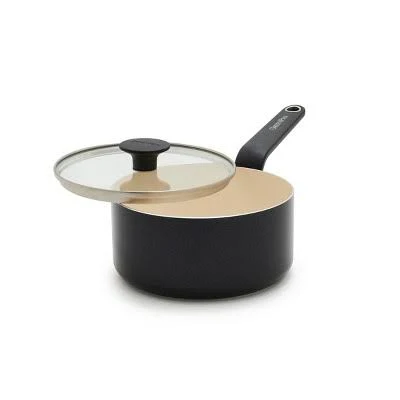
- ceramic nonstick coating
- The brand calls it PFAS-free, which we have not verified
- Ceramic coating degradation over time
4 hazards checked on this product, all on its full breakdown.
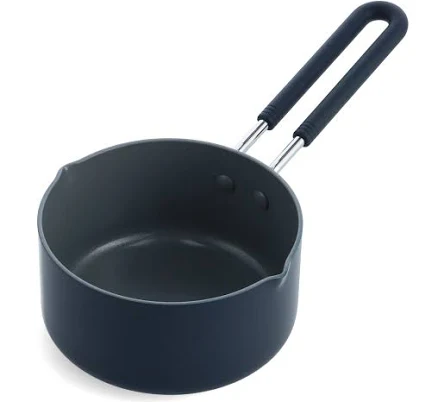
- Nonstick ceramic-based coating (GreenPan proprietary, unspecified)
- The brand calls it PFAS-free, which we have not verified
- Coating degradation over time
3 hazards checked on this product, all on its full breakdown.
More nonstick saucepans grades
How we score, every product runs through the same public 0-100 rubric based on materials, coatings, brand disclosure, lab findings, and recalls. See the full methodology → Spotted a mistake? Report an error.