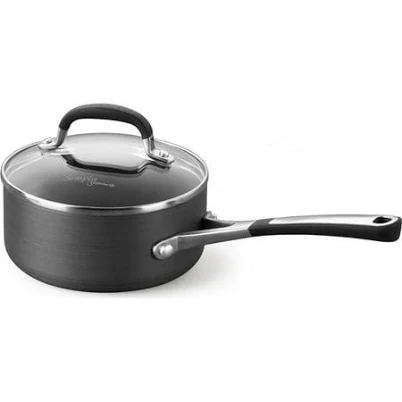
Calphalon · Nonstick Saucepans
Calphalon Simply Nonstick Saucepan, Is It Non-Toxic?
Pass unless Calphalon discloses nonstick coating chemistry.
Calphalon Simply uses aluminum with a proprietary nonstick coating of unknown type. The brand makes no PFAS-free claims or third-party certifications.
The better-graded swap
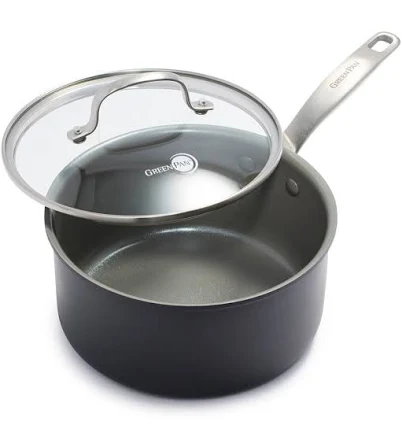
GreenPan
GreenPan Chatham Ceramic Nonstick 3-Quart Saucepan with Lid
70/100 safety
Same rubric that flunked this product. The swap earned Good.
Still want this one anyway? Check the price on Amazon. We’d swap it.
Material
Aluminum core with proprietary nonstick coating (unspecified type)
Lab data
No public lab test
You may also be interested in
Top-graded picks in the categories readers replace first, every one scored on the same rubric.

- polypropylene filter housing, carbon/sediment cartridge
- We found no PFAS statement from the brand
- Bacterial growth in spent cartridges
3 hazards checked on this product, all on its full breakdown.

Aquasure
Premier Series 75 GPD Under Sink Reverse Osmosis Water Filtration System
- RO membrane, carbon filters, stainless steel housing
- We found no PFAS statement from the brand
- Bacterial and microbial growth in housing and filters
4 hazards checked on this product, all on its full breakdown.

Avocado
Vegan Mattress
- organic cotton, natural latex, coconut coir, recycled steel coils
- The brand calls it PFAS-free, which we have not verified
- Heavy metals
2 hazards checked on this product, all on its full breakdown.
Is Calphalon Simply Nonstick Saucepan non-toxic? What it is made of
Calphalon Simply Nonstick uses an aluminum core topped with a proprietary nonstick surface; the exact chemistry of that coating is not publicly disclosed by the brand. Aluminum cookware can leach aluminum into acidic or salty foods, particularly when the nonstick layer degrades or scratches. The nonstick coating itself is the critical unknown, modern alternatives include Teflon-type coating-based systems (which risk fume release if overheated) or ceramic or silicone coatings (which are generally lower-hazard but vary in durability).
What’s concerning
Category baseline
The starting point for this type of product, before anything specific to this product is counted.
No PFAS disclosure
No public statement from the brand about PFAS in this product.
Non-stick, chemistry undisclosed
Marketed as non-stick without stating the coating chemistry.
Nonstick coating degradation and particle shedding
Aluminum cookware with any nonstick coating degrades over time, especially with metal utensils or dishwashing. When the coating flakes or peels, ingestion of microscopic coating particles is possible, and the underlying aluminum becomes exposed to food.
Aluminum leaching
Once the nonstick layer degrades or is scratched, bare aluminum can contact acidic foods (tomatoes, vinegar, citrus) or salty preparations, leaching aluminum into the food. Long-term aluminum accumulation has been studied in neurological research, though causality remains unestablished.
Teflon-type coating fume risk (if coating is Teflon-type coating-based)
If the undisclosed nonstick coating uses Teflon-type coating, overheating the empty pan or using it on very high heat can release Teflon-type coating fumes, which cause acute polymer fume fever in humans and are toxic to birds in proximity. The product lacks clear heat-limit labeling to mitigate this.
Coating durability and premature failure
User reviews and consumer forums document coating peeling or loss of nonstick performance within 1-2 years of typical use, faster than premium nonstick cookware, raising questions about long-term safety and cost-effectiveness.
Lack of ingredient transparency
Calphalon's refusal to publicly specify whether the coating is Teflon-type coating-free, PFOA-free, or uses alternative chemistries prevents informed risk assessment. This absence of disclosure is itself a hazard-assessment obstacle and suggests the brand is not leading on nonstick safety standards.
How is this PFAS grade calculated?
The brand's record and disclosure
Calphalon has not publicly disclosed whether this product uses Teflon-type coating or a PFAS-free nonstick technology, which is a significant transparency gap in the current market environment. The brand has not published independent certifications (like GreenGuard) for this line. No major recalls specific to nonstick toxicity or coating degradation have been documented for Calphalon Simply cookware in public databases, but the lack of proactive ingredient transparency is noteworthy given industry scrutiny of nonstick coatings.
How it compares in its category
Budget nonstick saucepans typically prioritize cost over coating durability and transparency; Calphalon Simply is mainstream-priced and widely available. Compared to premium brands (e.g., All-Clad, Caraway), it offers minimal public disclosure of nonstick chemistry. Compared to value alternatives, it sits in a middle ground without standout certifications or PFAS-free marketing; ceramic-coated or stainless-steel alternatives in the same price range avoid the coating-degradation question entirely, though they sacrifice nonstick convenience.
If you buy it
Maintain the nonstick surface by using low to medium heat only and avoiding metal utensils, which accelerate peeling and flaking. Replace the pan if the coating visibly chips or flakes, as this signals coating failure and potential aluminum leaching or nonstick particle ingestion. Hand-wash instead of dishwashing to extend coating life. Store separately to prevent scratching, and do not preheat empty on high heat, which can degrade nonstick durability and (if Teflon-type coating-based) risk fume off-gassing.
What is not known about PFAS in this product?
- Basis
- Model estimate, 35% confidence, not a lab result
- Lab test
- None on record for this exact product
- Brand statement
- Calphalon has made a specific claim
Formulations change between production runs, so check the current label. How we grade.
What are the PFAS-free alternatives to Calphalon Simply Nonstick Saucepan?
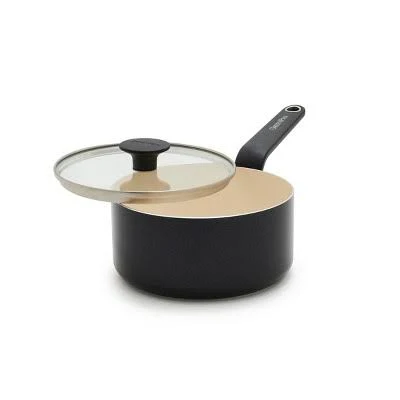
- Ceramic nonstick coating
- The brand calls it PFAS-free, which we have not verified
- Aluminum leaching
2 hazards checked on this product, all on its full breakdown.
- ceramic nonstick coating
- The brand calls it PFAS-free, which we have not verified
- Ceramic coating degradation over time
4 hazards checked on this product, all on its full breakdown.
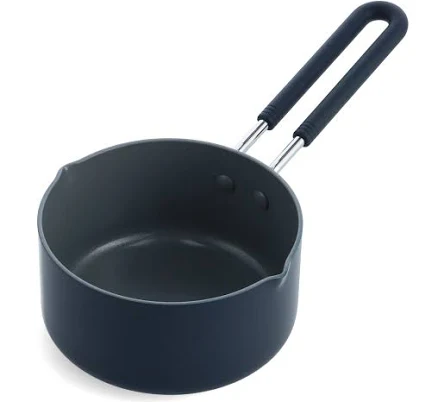
- Nonstick ceramic-based coating (GreenPan proprietary, unspecified)
- The brand calls it PFAS-free, which we have not verified
- Coating degradation over time
3 hazards checked on this product, all on its full breakdown.
More nonstick saucepans grades
How we score, every product runs through the same public 0-100 rubric based on materials, coatings, brand disclosure, lab findings, and recalls. See the full methodology → Spotted a mistake? Report an error.