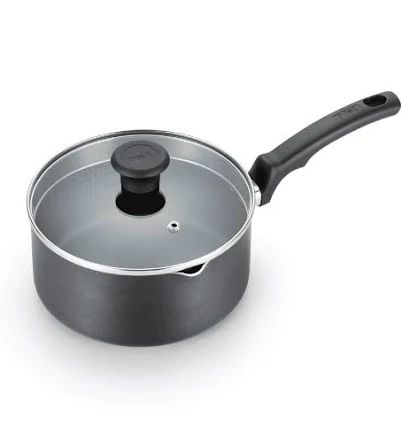
T-fal Comfort Nonstick Saucepan 3 Quart, Is It Non-Toxic?
Skip if PFAS-concerned, T-fal uses Teflon-type coating nonstick, which is a known Teflon-family coating class.
T-fal Comfort uses traditional Teflon-type coating nonstick coating, a Teflon-family coating belonging to the PFAS chemical family. The brand makes no PFAS disclosure or claims, and no third-party testing exists.
The better-graded swap
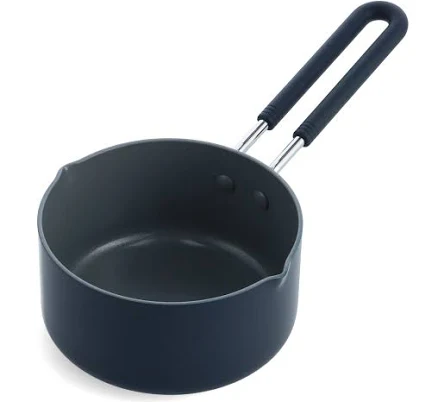
GreenPan
Crate & Barrel Greenpan Mini 1-Qt. Butter Warmer
70/100 safety
Same rubric that flunked this product. The swap earned Good.
Still want this one anyway? Check the price on Amazon. We’d swap it.
Material
Teflon-type coating nonstick Teflon-family coating on aluminum/steel base
Lab data
No public lab test
You may also be interested in
Top-graded picks in the categories readers replace first, every one scored on the same rubric.

- polypropylene filter housing, carbon/sediment cartridge
- We found no PFAS statement from the brand
- Bacterial growth in spent cartridges
3 hazards checked on this product, all on its full breakdown.

Aquasure
Premier Series 75 GPD Under Sink Reverse Osmosis Water Filtration System
- RO membrane, carbon filters, stainless steel housing
- We found no PFAS statement from the brand
- Bacterial and microbial growth in housing and filters
4 hazards checked on this product, all on its full breakdown.

Avocado
Vegan Mattress
- organic cotton, natural latex, coconut coir, recycled steel coils
- The brand calls it PFAS-free, which we have not verified
- Heavy metals
2 hazards checked on this product, all on its full breakdown.
Is T-fal Comfort Nonstick Saucepan 3 Quart non-toxic? What it is made of
T-fal Comfort uses a Teflon-type coating (polytetrafluoroethylene) nonstick coating bonded to an aluminum or steel base. Teflon-type coating is a Teflon-family coating that does not itself leach into food at normal cooking temperatures, but the coating's integrity is critical. Once scratched or degraded, the nonstick layer can flake into food, and overheating Teflon-type coating above 500°F can release harmful fumes (off-gassing). The aluminum substrate, if exposed through coating damage, may leach small amounts of aluminum into acidic foods.
What’s concerning
Category baseline
The starting point for this type of product, before anything specific to this product is counted.
No PFAS disclosure
No public statement from the brand about PFAS in this product.
PTFE / Teflon confirmed
Uses Teflon-type coating (Teflon), a Teflon-family coating in the PFAS family.
Teflon-type coating fume risk (overheating)
Heating Teflon-type coating-coated cookware above 500°F can off-gas fumes that cause polymer fume fever in humans and are toxic to birds. T-fal's Comfort line lacks temperature markings or alerts; user error remains a real exposure path.
Coating degradation and flaking
Consumer reports and product reviews note that T-fal nonstick coatings sometimes flake or peel after 1-3 years of use, particularly with dishwasher exposure. Once coating fails, direct aluminum or steel contact with food and inhalation of microscopic particles becomes possible.
Aluminum leaching
If the nonstick coating is damaged, the aluminum substrate can contact food and leach small amounts of aluminum, especially in acidic dishes (tomato sauce, citrus). Long-term aluminum accumulation is a minor concern but avoidable with coating maintenance.
Microplastics
Aged or scratched Teflon-type coating coatings may shed microscopic particles into food during cooking. The quantity and health impact remain poorly quantified, but visible wear is a clear sign to discard the pan.
Source, EPA ↗What’s reassuring
Lead
No recalls or test reports document lead or cadmium in T-fal Comfort cookware bases. Standard aluminum and stainless steel manufacturing in EU and US contexts does not typically introduce these metals.
Source, ATSDR ↗How is this PFAS grade calculated?
The brand's record and disclosure
T-fal (owned by Groupe SEB) does not publicly disclose specific PFAS content or phase-out commitments for cookware lines. The brand has not marketed PFAS-free alternatives or engaged in transparency initiatives around Teflon-family coating use comparable to some competitors. No major safety recalls for this specific model are on public record, but T-fal cookware has faced occasional complaints about premature coating wear and peeling in online consumer forums.
How it compares in its category
This product is typical mid-range nonstick cookware using Teflon-type coating. Ceramic-coated and hard-anodized aluminum alternatives eliminate Teflon-family coating concern but often sacrifice nonstick performance or cost more. Cast iron and stainless steel avoid Teflon-type coating entirely but require seasoning or oil and provide no nonstick benefit. T-fal's price point and brand recognition make it competitive, but its silence on PFAS places it behind brands marketing Teflon-type coating-free or disclosing Teflon-family coating sources.
If you buy it
Never heat empty; always preheat with oil or food. Keep heat at medium or below; never exceed 400-450°F to prevent Teflon-type coating off-gassing. Replace immediately if coating chips, flakes, or scratches expose substrate. Hand-wash only; dishwasher and metal utensils accelerate coating degradation. Inspect the pan every 3-6 months; most Teflon-type coating nonstick cookware lasts 3-5 years with careful use. Store with care to avoid scratches from stacking.
What is not known about PFAS in this product?
- Basis
- Model estimate, 78% confidence, not a lab result
- Lab test
- None on record for this exact product
- Brand statement
- T-fal has made a specific claim
Formulations change between production runs, so check the current label. How we grade.
What are the PFAS-free alternatives to T-fal Comfort Nonstick Saucepan 3 Quart?
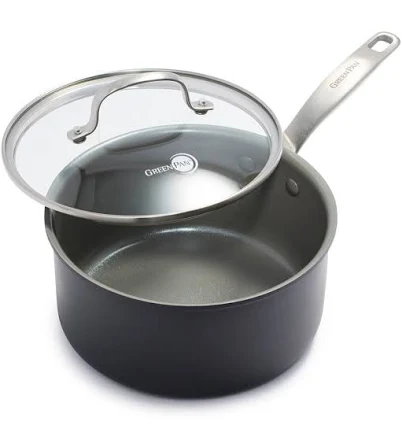
- Ceramic nonstick coating
- The brand calls it PFAS-free, which we have not verified
- Aluminum leaching
2 hazards checked on this product, all on its full breakdown.
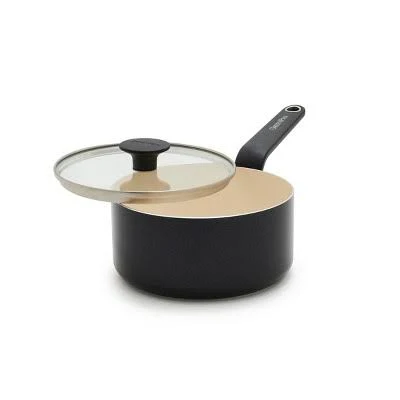
- ceramic nonstick coating
- The brand calls it PFAS-free, which we have not verified
- Ceramic coating degradation over time
4 hazards checked on this product, all on its full breakdown.
- Nonstick ceramic-based coating (GreenPan proprietary, unspecified)
- The brand calls it PFAS-free, which we have not verified
- Coating degradation over time
3 hazards checked on this product, all on its full breakdown.
More nonstick saucepans grades
How we score, every product runs through the same public 0-100 rubric based on materials, coatings, brand disclosure, lab findings, and recalls. See the full methodology → Spotted a mistake? Report an error.