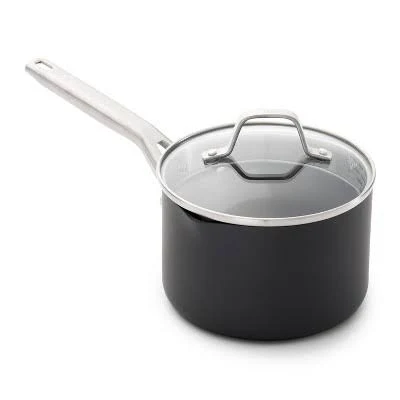
Calphalon · Nonstick Saucepans
Calphalon Hard-Anodized Nonstick 3.5-Qt. Sauce Pan with Lid, Is It Non-Toxic?
Pass unless Calphalon reveals nonstick coating makeup.
Calphalon keeps the nonstick coating composition under wraps on this hard-anodized pan. No disclosure exists on Teflon-type coating, other Teflon-family coating, or PFAS-free status.
The better-graded swap
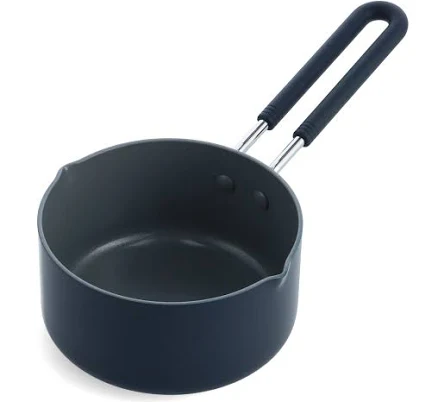
GreenPan
Crate & Barrel Greenpan Mini 1-Qt. Butter Warmer
70/100 safety
Same rubric that flunked this product. The swap earned Good.
Still want this one anyway? Check the price on Amazon. We’d swap it.
Material
Hard-anodized aluminum with proprietary nonstick coating (unspecified)
Lab data
No public lab test
You may also be interested in
Top-graded picks in the categories readers replace first, every one scored on the same rubric.

- polypropylene filter housing, carbon/sediment cartridge
- We found no PFAS statement from the brand
- Bacterial growth in spent cartridges
3 hazards checked on this product, all on its full breakdown.

Aquasure
Premier Series 75 GPD Under Sink Reverse Osmosis Water Filtration System
- RO membrane, carbon filters, stainless steel housing
- We found no PFAS statement from the brand
- Bacterial and microbial growth in housing and filters
4 hazards checked on this product, all on its full breakdown.

Avocado
Vegan Mattress
- organic cotton, natural latex, coconut coir, recycled steel coils
- The brand calls it PFAS-free, which we have not verified
- Heavy metals
2 hazards checked on this product, all on its full breakdown.
Is Calphalon Hard-Anodized Nonstick Lid non-toxic? What it is made of
This pan uses hard-anodized aluminum as its core, which creates a durable oxide layer that resists corrosion and wear better than standard aluminum cookware. The nonstick coating chemistry is proprietary and not publicly detailed by Calphalon, which is the primary concern for PFAS exposure. Hard anodization itself is not a chemical hazard, but the coating applied on top determines actual safety; without disclosure, you cannot confirm whether it contains legacy PFAS compounds like Teflon-type coating (Teflon) or newer alternatives.
What’s concerning
Category baseline
The starting point for this type of product, before anything specific to this product is counted.
No PFAS disclosure
No public statement from the brand about PFAS in this product.
Non-stick, chemistry undisclosed
Marketed as non-stick without stating the coating chemistry.
Nonstick coating degradation and particulate release
Hard-anodized nonstick coatings can flake or peel over time with mechanical stress or high heat. If coating fails, ingestion of coating particles is unlikely to cause acute harm, but this signals that the underlying chemistry may be compromised; replacement is warranted to avoid any fume risk if the coating is Teflon-type coating-based.
Teflon-type coating fume inhalation (if coating contains Teflon-type coating)
If the proprietary coating is Teflon-type coating-based, overheating above 500°F can release fumes that cause polymer fume fever in humans. Calphalon's silence on coating type means you cannot rule this out; risk is low with normal use but present if the pan is overheated or if coating is damaged and exposed to heat.
PFAS
PFAS contamination in nonstick cookware from major brands is well-documented in published studies (e.g., Brunn et al., 2023 on PFOA/PFOS in nonstick cookware). Calphalon's lack of public commitment to PFAS-free coatings means legacy or undisclosed PFAS cannot be ruled out; migration risk during normal cooking is low but present in fatty foods or acidic conditions.
Source, ATSDR ↗What’s reassuring
Aluminum leaching
Hard anodization creates a protective oxide barrier that prevents aluminum from leaching into food under normal use. No established risk for this specific process; anodized cookware has a decades-long safety record on this hazard.
Lead
Modern Calphalon cookware is not known to use lead or cadmium-based pigments. Hard-anodized cookware does not rely on colorant glazes the way ceramic or enameled cast iron does, so this is a low-concern hazard class for this material type.
Source, ATSDR ↗How is this PFAS grade calculated?
The brand's record and disclosure
Calphalon has not published transparent ingredient disclosures for their proprietary nonstick coatings and has not publicly committed to PFAS-free formulations. The brand has faced no major recalls specific to this cookware line based on available records, but the lack of proactive transparency on nonstick chemistry is a red flag for consumers seeking PFAS avoidance. Calphalon is owned by Groupe SEB, a large cookware manufacturer, and has not aligned with retailers or certification bodies that require PFAS-free labeling.
How it compares in its category
Hard-anodized nonstick cookware is a middle ground, it performs better than Teflon-coated cookware in durability but carries the same PFAS disclosure problem that affects most major nonstick brands. Ceramic-coated or stainless steel alternatives (e.g., GreenPan, Caraway) explicitly market PFAS-free status; conventional brands like T-fal and Cuisinart also keep coating chemistry opaque. This Calphalon pan is not notably worse than competitors, but it offers no safety advantage due to silent PFAS stance.
If you buy it
Keep temperatures below 500°F to minimize any nonstick coating stress and avoid preheating empty for extended periods, which can degrade coatings faster and potentially release fumes. Hand-wash only; dishwashers accelerate coating wear. Inspect the cooking surface monthly for peeling, discoloration, or rough spots; replace the pan immediately if the nonstick surface visibly deteriorates, as flaking particles may be ingested and coating damage suggests chemical breakdown. Store with a cloth between the pan and lid to prevent friction damage.
What is not known about PFAS in this product?
- Basis
- Model estimate, 35% confidence, not a lab result
- Lab test
- None on record for this exact product
- Brand statement
- Calphalon has made a specific claim
Formulations change between production runs, so check the current label. How we grade.
What are the PFAS-free alternatives to Calphalon Hard-Anodized Nonstick 3.5-Qt. Sauce Pan with Lid?
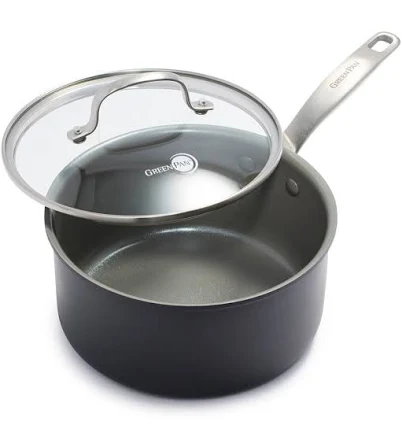
- Ceramic nonstick coating
- The brand calls it PFAS-free, which we have not verified
- Aluminum leaching
2 hazards checked on this product, all on its full breakdown.
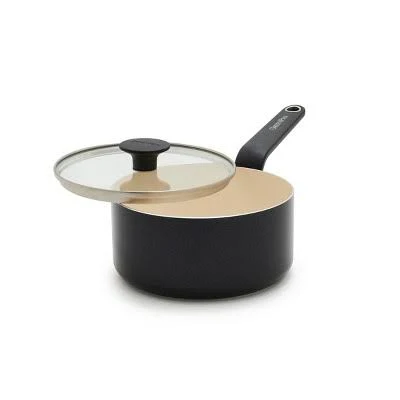
- ceramic nonstick coating
- The brand calls it PFAS-free, which we have not verified
- Ceramic coating degradation over time
4 hazards checked on this product, all on its full breakdown.
- Nonstick ceramic-based coating (GreenPan proprietary, unspecified)
- The brand calls it PFAS-free, which we have not verified
- Coating degradation over time
3 hazards checked on this product, all on its full breakdown.
More nonstick saucepans grades
How we score, every product runs through the same public 0-100 rubric based on materials, coatings, brand disclosure, lab findings, and recalls. See the full methodology → Spotted a mistake? Report an error.