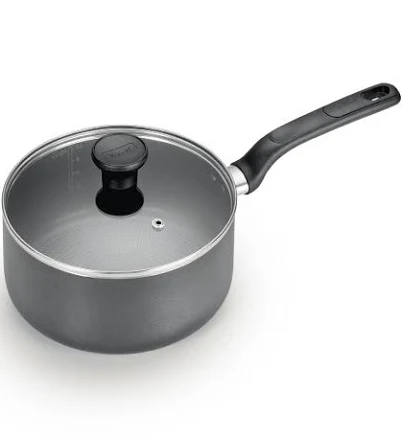
T-fal Easy Care Nonstick Cookware Saucepan 2 Quart, Is It Non-Toxic?
Teflon-type coating non-stick coating, disclosed by the brand.
T-fal lists this range among its products containing intentionally added PFAS and says its nonstick contains Teflon-type coating, a Teflon-family coating in the PFAS family.
The better-graded swap
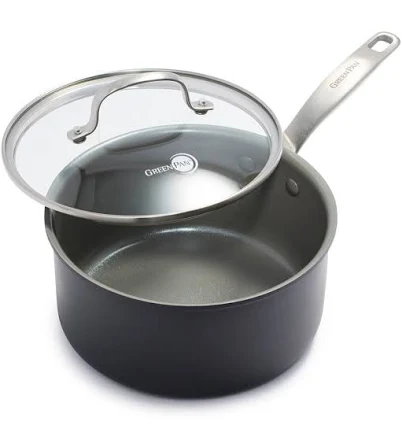
GreenPan
GreenPan Chatham Ceramic Nonstick 3-Quart Saucepan with Lid
70/100 safety
Same rubric that flunked this product. The swap earned Good.
Still want this one anyway? Check the price on Amazon. We’d swap it.
Material
Teflon-type coating non-stick coating, as disclosed by T-fal for this range
Lab data
No public lab test
You may also be interested in
Top-graded picks in the categories readers replace first, every one scored on the same rubric.

- polypropylene filter housing, carbon/sediment cartridge
- We found no PFAS statement from the brand
- Bacterial growth in spent cartridges
3 hazards checked on this product, all on its full breakdown.

Aquasure
Premier Series 75 GPD Under Sink Reverse Osmosis Water Filtration System
- RO membrane, carbon filters, stainless steel housing
- We found no PFAS statement from the brand
- Bacterial and microbial growth in housing and filters
4 hazards checked on this product, all on its full breakdown.

Avocado
Vegan Mattress
- organic cotton, natural latex, coconut coir, recycled steel coils
- The brand calls it PFAS-free, which we have not verified
- Heavy metals
2 hazards checked on this product, all on its full breakdown.
Is T-fal Easy Care Nonstick Cookware Saucepan non-toxic? What it is made of
This saucepan uses Teflon-type coating (polytetrafluoroethylene), the synthetic polymer sold under the DuPont brand Teflon, applied as a nonstick coating over an aluminum or steel substrate. Teflon-type coating itself is chemically stable at normal cooking temperatures but decomposes at temperatures above 500°F, releasing fluorinated gases that can cause acute respiratory distress in humans and immediate harm to pet birds. T-fal's disclosure confirms Teflon-type coating presence but provides no information on substrate material or coating durability metrics.
What’s concerning
No PFAS disclosure
No PFAS-free statement from the brand for this product.
PTFE / Teflon confirmed
The brand discloses a Teflon-type coating.
Category baseline
The starting point for this type of product, before anything specific to this product is counted.
Teflon-type coating thermal decomposition and fume risk
Teflon-type coating releases toxic fluorinated gases above 500°F, documented by EPA and animal toxicology studies. Risk depends entirely on user heat control; most home stovetop use stays below this threshold if monitored. No brand-specific temperature safety labeling on this model is known.
Aluminum substrate leaching
If coating is scratched or degrades, underlying aluminum may contact acidic or alkaline foods. T-fal does not disclose substrate material (aluminum vs. steel) or anodization status for this model. Leaching risk is low under normal use but increases with coating damage.
Coating degradation and microparticle release
Teflon-type coating coatings wear over time with mechanical stress and thermal cycling. Flaking or peeling is not uncommon after 2-5 years of regular use. No published durability data from T-fal for this specific product; visual inspection is the only consumer-available detection method.
Handle or lid material hazards
Handle and lid composition (plastic, silicone, or metal) are not specified in available product context. If plastic, BPA or phthalates are possible; if silicone, heating near nonstick coating is low-risk. Brand track record on handle safety is not established.
What’s reassuring
Lead
T-fal cookware is sold in US and EU markets with standard heavy-metal testing requirements. No recalls or reports of lead/cadmium contamination in this product line are on record. Risk is low if coating remains intact.
Source, ATSDR ↗How is this PFAS grade calculated?
The brand's record and disclosure
T-fal (Groupe SEB) discloses Teflon-type coating nonstick in product materials but does not publicly commit to coating degradation testing, heat-limit labeling beyond general cookware guidance, or Teflon-type coating phase-out timelines. The brand has no established history of major nonstick cookware safety recalls in the United States. T-fal does not address PFAS manufacturing residues or post-consumer disposal concerns in publicly available materials for this product line.
How it compares in its category
Teflon-type coating nonstick saucepans are the industry baseline for affordable, slick cooking surfaces. Competitors such as GreenPan and Our Place market ceramic or silicone-polymer alternatives that avoid Teflon-type coating but may have lower nonstick longevity or higher cost. Stainless steel and cast iron require more oil and active release techniques but eliminate Teflon-type coating and PFAS concerns entirely. T-fal's product sits in the traditional Teflon-type coating category with no apparent differentiation in degradation resistance or thermal stability.
If you buy it
Never heat an empty pan or allow cooking temperatures to exceed 500°F; use a cooking thermometer if unsure. Keep kitchen ventilation on during use. Replace the pan immediately if the coating shows visible flaking, peeling, or discoloration, as degradation may accelerate. Hand-wash gently with soft sponges; avoid abrasive scrubbers and high-heat dishwashers. If the coating is breached, aluminum substrate contact with acidic foods (tomatoes, citrus, vinegar) may increase leaching.
What is not known about PFAS in this product?
- Basis
- Model estimate, 35% confidence, not a lab result
- Lab test
- None on record for this exact product
- Brand statement
- T-fal has made a specific claim
Formulations change between production runs, so check the current label. How we grade.
What are the PFAS-free alternatives to T-fal Easy Care Nonstick Cookware Saucepan 2 Quart?
- Ceramic nonstick coating
- The brand calls it PFAS-free, which we have not verified
- Aluminum leaching
2 hazards checked on this product, all on its full breakdown.
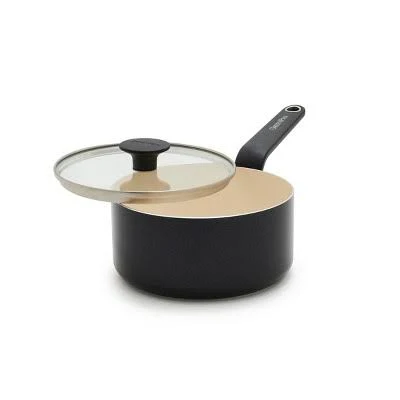
- ceramic nonstick coating
- The brand calls it PFAS-free, which we have not verified
- Ceramic coating degradation over time
4 hazards checked on this product, all on its full breakdown.
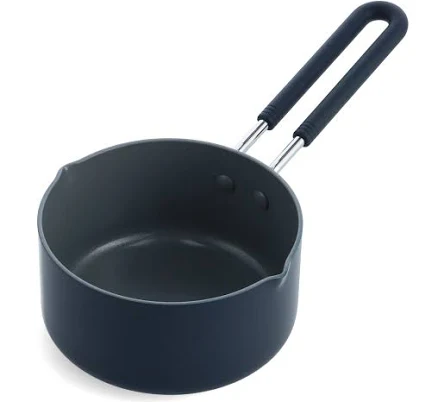
- Nonstick ceramic-based coating (GreenPan proprietary, unspecified)
- The brand calls it PFAS-free, which we have not verified
- Coating degradation over time
3 hazards checked on this product, all on its full breakdown.
More nonstick saucepans grades
How we score, every product runs through the same public 0-100 rubric based on materials, coatings, brand disclosure, lab findings, and recalls. See the full methodology → Spotted a mistake? Report an error.