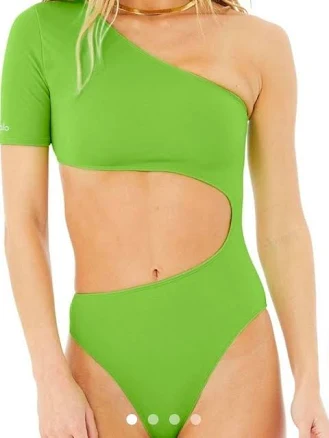
Alo Yoga Body Wave One Piece Swimsuit
Moderate concern due to likely water-repellent coating with no PFAS disclosure.
Alo Yoga swimsuits typically use nylon-blend fabrics treated with water-repellent finishes common in performance swimwear. The brand doesn't publicly disclose PFAS avoidance or confirm PFAS-free water-repellent coating treatments.
The better-graded swap
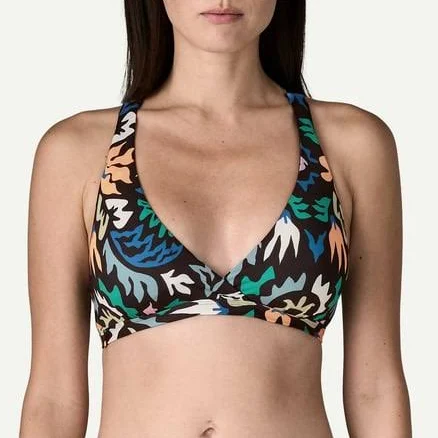
Patagonia
Patagonia Women's Bottom Turn Racerback Bikini Top
90/100 safety
Same rubric that flunked this product. The swap earned Excellent.
Still want this one anyway? Check the price on Amazon. We’d swap it.
Material
Nylon blend with water-repellent coating treatment
Brand disclosure
Brand is silent on PFAS
Lab data
No public lab test
What Alo Yoga Body Wave One Piece Swimsuit is made of, ingredients and materials
The Alo Yoga Body Wave One Piece is constructed from nylon blended fabric with a water-repellent coating (water-repellent coating) finish. Nylon itself is a synthetic polyamide that does not readily leach harmful chemicals under normal wear or exposure to chlorine and saltwater. However, the water-repellent coating treatment applied to achieve water-repellency is the material concern here. Most water-repellent coating finishes in swimwear historically rely on fluorinated compounds (PFAS-based), though some brands have begun switching to PFOA-free or fluorine-free alternatives. Alo Yoga does not publicly disclose the chemistry of its water-repellent coating, leaving the specific PFAS profile unknown.
What’s concerning
Category baseline
The starting point for this type of product, before anything specific to this product is counted.
No PFAS disclosure
No public statement from the brand about PFAS in this product.
Waterproof / stain-resistant treatment
Water-repellent coating treatments have historically used PFAS.
PFAS
Nylon swimwear water-repellent coating finishes typically contain fluorinated compounds. Alo does not disclose chemistry, and historical industry practice suggests legacy PFAS-based formulations remain common at this price tier. water-repellent coating contact is primarily external; ingestion risk is low during normal swimming, but dermal absorption and environmental release during washing are possible.
Source, ATSDR ↗Nylon degradation under UV and heat
Extended UV exposure and high-temperature washing can degrade nylon fibers, potentially releasing microplastics into wash water. This is not specific to Alo but inherent to nylon swimwear. Degradation is slow under normal use but accelerates with repeated hot water washing or direct prolonged sunlight storage.
Elastane (spandex) degradation in chlorine
Swimwear blends often include elastane for stretch. Chlorine exposure gradually breaks down elastane fibers, reducing fit and elasticity over time. This is expected and not unique to Alo but affects product lifespan and may increase microfiber shedding as the material ages.
What’s reassuring
Heavy metals
No recalls or documented safety issues for colorant hazards in Alo Yoga swimwear. Alo uses standard commercial dyes; without third-party testing or certification data, specific azo dye restrictions cannot be verified. Risk is minimal but unverified.
Source, FDA ↗Formaldehyde / VOCs
Nylon does not typically require formaldehyde-based finishing resins; water-repellent coating is the primary treatment of concern. No evidence suggests formaldehyde finishes are used in this product, though full chemical disclosure would be needed to confirm.
Source, ATSDR ↗The full breakdown
The brand's record and disclosure
Alo Yoga has not published specific chemical disclosures, safety certifications, or PFAS commitments for its swimwear line. The brand markets lifestyle and wellness positioning but does not appear on public chemical transparency databases or third-party sustainability certifications (e.g., Bluesign, OEKO-TEX). No recalls or safety controversies specific to Alo swimwear have been documented in consumer safety records. The silence on water-repellent coating chemistry is consistent with many mainstream activewear brands but represents a gap in transparency for consumers concerned about PFAS exposure.
How it compares in its category
Most conventional nylon swimwear at this price point uses legacy water-repellent coating treatments, making Alo typical rather than exceptional. Competitors like Nike and Speedo likewise do not disclose water-repellent coating chemistry broadly. Brands explicitly marketing PFAS-free or certified sustainable swimwear (e.g., Patagonia, some eco-focused lines) represent the higher transparency end of the category. Nylon itself is a common, relatively inert swimwear fiber; the water-repellent coating treatment is the differentiator. Compared to polyester alternatives, nylon offers similar chemical stability during use.
If you buy it
Wash in cool or lukewarm water and avoid hot water or high heat drying, which can degrade the water-repellent coating and potentially alter any surface treatments. Air dry flat or hang to preserve coating integrity. Chlorine and saltwater do not present known chemical risks with nylon itself, though frequent exposure will gradually reduce water-repellent coating effectiveness. Replace when water-repellent coating performance visibly declines (water no longer beads on the surface) rather than attempting to retreat, as home water-repellent coating products often contain PFAS. Hand washing extends product life and minimizes chemical leaching risk.
What we don’t know
- Basis
- Model estimate, 45% confidence, not a lab result
- Lab test
- None on record for this exact product
- Brand statement
- Alo Yoga has made none
Formulations change between production runs, so check the current label. How we grade.
Better-graded alternatives in Swimwear
Patagonia
Women's Bottom Turn Racerback Bikini Top
- Nylon/polyester blend with elastane (standard swimwear)
- The brand calls it PFAS-free, which we have not verified
- Elastane (spandex) degradation under heat or chlorine

Solid & Striped
Taylor One Piece Seersucker Plaid
- Cotton/cotton-blend seersucker plaid
- We found no PFAS statement from the brand
- Azo dyes and colorfast stability
2 hazards checked on this product. See all of them.
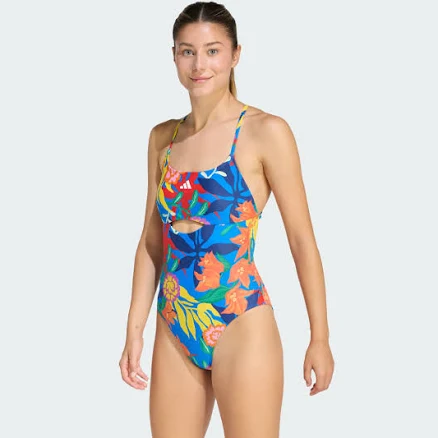
Adidas
Women's Mexicana Florals Tie-Back Swimsuit
- Polyester/nylon swimsuit fabric, likely uncoated or standard finish
- Azo dyes and synthetic colorants
4 hazards checked on this product. See all of them.
More swimwear grades
How we score, every product runs through the same public 0-100 rubric based on materials, coatings, brand disclosure, lab findings, and recalls. See the full methodology → Spotted a mistake? Report an error.