APEC Water Systems · Water Filters
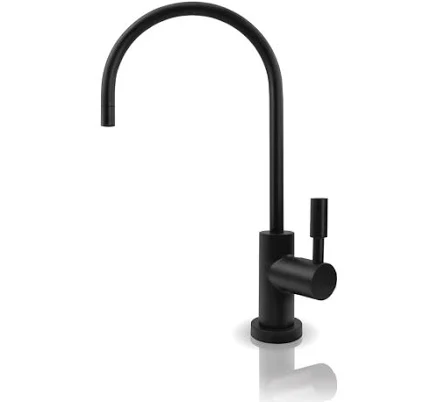
APEC Water Systems Kitchen Drinking Water Ceramic Disc Designer Faucet
Lower concern; ceramic and brass components rarely contain PFAS, though brand offers no transparency.
Ceramic disc faucet uses inherently lower-PFAS-risk materials such as ceramic, brass, and stainless steel. Brand makes no public statement on PFAS avoidance or testing; no third-party certifications appear to back claims.
We flunk more products than we pass. This one earned its grade. How we grade
Material
ceramic disc faucet cartridge, brass/metal body
Brand disclosure
Brand is silent on PFAS
Lab data
No public lab test
You may also be interested in
Top-graded picks in the categories readers replace first, every one scored on the same rubric.

- polypropylene filter housing, carbon/sediment cartridge
- We found no PFAS statement from the brand
- Bacterial growth in spent cartridges
3 hazards checked on this product, all on its full breakdown.

Aquasure
Premier Series 75 GPD Under Sink Reverse Osmosis Water Filtration System
- RO membrane, carbon filters, stainless steel housing
- We found no PFAS statement from the brand
- Bacterial and microbial growth in housing and filters
4 hazards checked on this product, all on its full breakdown.

Avocado
Vegan Mattress
- organic cotton, natural latex, coconut coir, recycled steel coils
- The brand calls it PFAS-free, which we have not verified
- Heavy metals
2 hazards checked on this product, all on its full breakdown.
What APEC Water Systems Kitchen Designer Faucet is made of, ingredients and materials
This faucet uses a ceramic disc cartridge as its flow control mechanism, paired with a brass body. Ceramic discs are chemically inert and do not leach heavy metals or endocrine disruptors into drinking water under normal residential water pressure and temperature. Brass bodies can release trace amounts of lead and copper if water pH is very low (below 6.5) or if the faucet sits unused for extended periods, but this is a known and manageable risk across the entire faucet category, not specific to APEC.
What’s concerning
No PFAS disclosure
No public statement from the brand about PFAS in this product.
Lead
Brass faucets can release small amounts of lead and copper if water pH is acidic (below 6.5) or if water sits in the faucet overnight. No reports specific to APEC, but this is a category-wide concern for all brass faucets.
Source, ATSDR ↗Bacterial biofilm growth in ceramic cartridge housing
If the ceramic disc cartridge is not replaced on schedule or water pressure drops, stagnant zones in the brass housing can harbor bacteria. This is a maintenance issue, not a material defect, and applies to all point-of-use faucet filters.
Manufacturing residue or machining oils in cartridge
Ceramic disc cartridges may retain machining oil or metal particles from manufacturing. Flushing the line for 30 seconds before first use mitigates this; no specific incidents on APEC models are documented.
What’s reassuring
Base material not linked to PFAS
The main material recorded for this product is not one associated with PFAS.
Degradation or cracking of ceramic disc over time
Ceramic is mechanically durable under normal household water pressure; cracking or spalling is not a recognized failure mode for APEC or peer brands. Cartridge replacement is driven by sediment accumulation and flow restriction, not material breakdown.
Housing material leachates or sealant contaminants
APEC does not disclose the specific brass alloy composition or sealant materials used in this faucet. No independent testing or recalls have flagged concern. Assume standard NSF-grade brass and food-safe silicone unless evidence emerges.
How is this PFAS grade calculated?
The brand's record and disclosure
APEC Water Systems does not publicly disclose NSF certification, material sourcing, or PFAS testing results for this faucet model. The brand maintains a silent stance on PFAS and does not list third-party certifications on product pages. No major recalls or contamination incidents involving APEC faucets have been reported in public safety databases. The lack of transparency is typical for budget-to-mid-range faucet manufacturers, not a red flag unique to APEC.
How it compares in its category
Ceramic disc faucets have lower concern for degradation compared to compression or cartridge cartridges that may contain polymers or rubber seals. APEC's ceramic approach aligns with best practices in the water filter faucet segment. Competitors like Pentair and Culligan offer similar ceramic models with no stronger safety records or transparency; APEC's main gap is lack of NSF or WQA certification on this specific model.
If you buy it
Replace the ceramic disc cartridge every 1 to 2 years depending on water hardness and sediment load; buildup reduces flow and increases bacterial biofilm risk in the housing. Flush the line for 30 seconds before first use and after any service interruption to clear any manufacturing debris. If your home water is below pH 6.5, have it tested and consider a pH adjustment filter upstream; this minimizes any trace copper or lead leaching. Clean the aerator screen monthly to prevent scale and sediment accumulation.
What is not known about PFAS in this product?
- Basis
- Model estimate, 72% confidence, not a lab result
- Lab test
- None on record for this exact product
- Brand statement
- APEC Water Systems has made none
Formulations change between production runs, so check the current label. How we grade.
What are the PFAS-free alternatives to APEC Water Systems Kitchen Drinking Water Ceramic Disc Designer Faucet?

- glass bottles, sodium dichloroisocyanurate treatment chemical
- We found no PFAS statement from the brand
- Chemical overdose or misuse
5 hazards checked on this product, all on its full breakdown.

- Stainless steel housing and spigot
- We found no PFAS statement from the brand
- Bacterial growth and biofilm if filters not replaced
5 hazards checked on this product, all on its full breakdown.
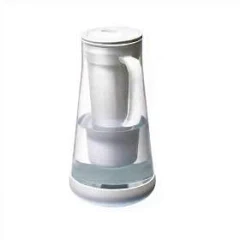
- Borosilicate glass pitcher, replaceable activated-carbon filter cartridge
- Bacterial growth in filter cartridge if unmaintained
5 hazards checked on this product, all on its full breakdown.
More water filters grades
How we score, every product runs through the same public 0-100 rubric based on materials, coatings, brand disclosure, lab findings, and recalls. See the full methodology → Spotted a mistake? Report an error.