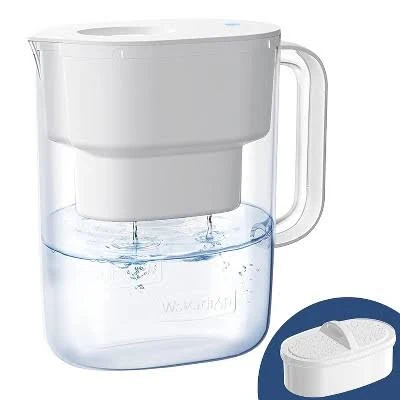
Waterdrop Water Filter Pitcher with 1 Filter
Lower concern pitcher; activated carbon filters unlikely to contain PFAS.
Waterdrop pitchers use activated carbon filters presenting lower inherent PFAS risk than nonstick or water-resistant products. The brand makes no public disclosure about PFAS avoidance or testing.
We flunk more products than we pass. This one earned its grade. How we grade
Material
Plastic pitcher (likely polypropylene or BPA-free plastic); activated carbon filter
Lab data
No public lab test
You may also be interested in
Top-graded picks in the categories readers replace first, every one scored on the same rubric.

- polypropylene filter housing, carbon/sediment cartridge
- We found no PFAS statement from the brand
- Bacterial growth in spent cartridges
3 hazards checked on this product, all on its full breakdown.

Aquasure
Premier Series 75 GPD Under Sink Reverse Osmosis Water Filtration System
- RO membrane, carbon filters, stainless steel housing
- We found no PFAS statement from the brand
- Bacterial and microbial growth in housing and filters
4 hazards checked on this product, all on its full breakdown.

Avocado
Vegan Mattress
- organic cotton, natural latex, coconut coir, recycled steel coils
- The brand calls it PFAS-free, which we have not verified
- Heavy metals
2 hazards checked on this product, all on its full breakdown.
What Waterdrop Water Filter Pitcher Filter is made of, ingredients and materials
The Waterdrop pitcher is constructed from food-grade plastic (likely polypropylene or similar BPA-free polymer) with an activated carbon filter cartridge. Polypropylene is chemically stable at room temperature and does not leach significant quantities of endocrine disruptors when used for cold water storage. The activated carbon medium itself is inert and designed to trap contaminants rather than release them into water; it does not degrade into microplastics under normal use conditions.
What’s concerning
No PFAS disclosure
No public statement from the brand about PFAS in this product.
Bacterial growth and biofilm in filter cartridge
If filter cartridges are not replaced on schedule or if the pitcher is left filled for extended periods without use, activated carbon can support bacterial colonization. This is a maintenance issue, not a manufacturing defect, and is common to all activated carbon pitcher designs.
Housing material brittleness or cracking
Polypropylene pitchers can become brittle with age or if exposed to temperature extremes or sunlight; cracks may allow unfiltered water bypass. This is a durability issue rather than a toxicological hazard, but compromised pitcher integrity defeats the purpose of filtration.
Activated carbon dust or particles in first use
Some activated carbon filters shed fine black particles (carbon dust) when first saturated. Flushing the filter cartridge with cold water for 30-60 seconds before initial use is a standard precaution and is usually recommended in product documentation.
What’s reassuring
Base material not linked to PFAS
The main material recorded for this product is not one associated with PFAS.
BPA & bisphenols
Waterdrop pitchers are marketed as BPA-free and use food-grade polypropylene, which does not release significant quantities of endocrine disruptors at room temperature. No independent test results or recalls related to bisphenol leaching are publicly available for this specific product.
Source, FDA ↗Filter media degradation and microplastic migration
Activated carbon cartridges do not break down into microplastics under normal cold water use. The plastic housing may develop small scratches or stress cracks over years of use, but this does not typically result in detectable microplastic shedding into water.
How is this PFAS grade calculated?
The brand's record and disclosure
Aqua Virginia (Waterdrop's parent company) has not published detailed third-party certifications, toxicology testing, or PFAS mitigation statements in publicly available sources. The brand markets its filters as PFAS-reducing in some regions, but does not disclose the specific reduction percentages, test conditions, or independent verification. No major recalls or safety controversies specific to this pitcher model are on record as of current data.
How it compares in its category
Water filter pitchers are generally lower-risk than activated cookware or food contact ceramics because they operate at room temperature and exposure time is brief. The Waterdrop pitcher sits in the middle of the market, less transparent than premium brands (Brita publishes filter specs and certifications) but more accessible than commercial reverse-osmosis units. Activated carbon pitchers of this type are considered a reasonable entry-level option for consumers seeking taste and chlorine reduction without whole-house installation.
If you buy it
Replace the filter cartridge every 40-60 gallons or approximately 2-3 months to prevent bacterial biofilm buildup inside the filter media and maintain effectiveness. Never fill the pitcher with hot water; store it in a cool, dry place away from direct sunlight to preserve plastic integrity and prevent algae growth in the reservoir. Empty and rinse the pitcher every few days if not in regular use, as stagnant water can harbor microorganisms regardless of the filter quality. Always refer to the manufacturer's care guide for specific replacement intervals and cleaning protocols.
What is not known about PFAS in this product?
- Basis
- Model estimate, 72% confidence, not a lab result
- Lab test
- None on record for this exact product
- Brand statement
- Waterdrop has made a specific claim
Formulations change between production runs, so check the current label. How we grade.
What are the PFAS-free alternatives to Waterdrop Water Filter Pitcher with 1 Filter?
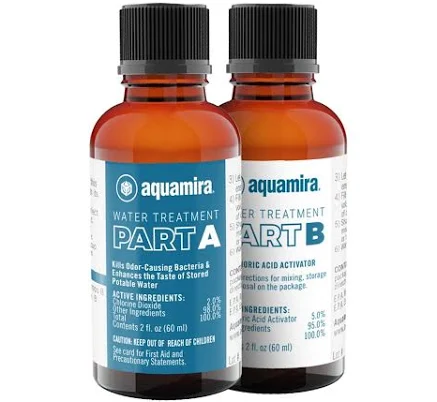
- glass bottles, sodium dichloroisocyanurate treatment chemical
- We found no PFAS statement from the brand
- Chemical overdose or misuse
5 hazards checked on this product, all on its full breakdown.

- Stainless steel housing and spigot
- We found no PFAS statement from the brand
- Bacterial growth and biofilm if filters not replaced
5 hazards checked on this product, all on its full breakdown.
- Borosilicate glass pitcher, replaceable activated-carbon filter cartridge
- Bacterial growth in filter cartridge if unmaintained
5 hazards checked on this product, all on its full breakdown.
More water filters grades
How we score, every product runs through the same public 0-100 rubric based on materials, coatings, brand disclosure, lab findings, and recalls. See the full methodology → Spotted a mistake? Report an error.