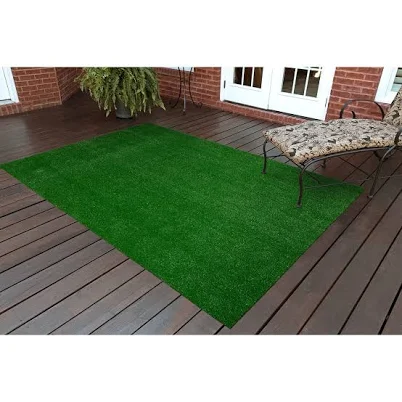
Style Selections · Artificial Turf
Style Selections Artificial Grass
Wait until coating composition is disclosed; artificial grass often uses water repellent chemicals.
Style Selections artificial grass uses synthetic fibers with unknown water-repellent and stain-resistant treatments. Artificial grass products frequently apply fluorinated coatings without material transparency.
The better-graded swap
Green Valley Pro 105
75/100 safety
Same rubric that flunked this product. The swap earned Excellent.
Still want this one anyway? Check the price on Amazon. We’d swap it.
Material
Polypropylene/polyethylene synthetic fibers with unknown coating/treatment
Brand disclosure
Brand is silent on PFAS
Lab data
No public lab test
You may also be interested in
Top-graded picks in the categories readers replace first, every one scored on the same rubric.

- polypropylene filter housing, carbon/sediment cartridge
- We found no PFAS statement from the brand
- Bacterial growth in spent cartridges
3 hazards checked on this product, all on its full breakdown.

Aquasure
Premier Series 75 GPD Under Sink Reverse Osmosis Water Filtration System
- RO membrane, carbon filters, stainless steel housing
- We found no PFAS statement from the brand
- Bacterial and microbial growth in housing and filters
4 hazards checked on this product, all on its full breakdown.

Avocado
Vegan Mattress
- organic cotton, natural latex, coconut coir, recycled steel coils
- The brand calls it PFAS-free, which we have not verified
- Heavy metals
2 hazards checked on this product, all on its full breakdown.
What Style Selections Artificial Grass is made of, ingredients and materials
Style Selections artificial grass is constructed from polypropylene and polyethylene synthetic fibers, which are thermoplastic polymers that soften when heated. The fibers themselves are chemically inert under normal use, but the product includes an undisclosed coating or treatment (likely water-repellent chemicals) applied to prevent moisture retention and mold. Without transparency on this coating's composition, assessment of leaching risk during hot weather or under UV exposure is limited. Polypropylene does not off-gas volatile organic compounds (VOCs) at room temperature, but degradation accelerates in direct sunlight and high heat.
What’s concerning
Category baseline
The starting point for this type of product, before anything specific to this product is counted.
No PFAS disclosure
No public statement from the brand about PFAS in this product.
Waterproof / stain-resistant treatment
Water-repellent coating treatments have historically used PFAS.
PFAS
Manufacturer has not disclosed coating chemistry. Water-repellent treatments on synthetic turf commonly use fluorochemicals; leaching into soil during rain or irrigation is theoretically possible if coating degrades, especially in warm climates. No testing specific to this product brand is on record.
Source, ATSDR ↗Thermal degradation and polymer breakdown
Polypropylene and polyethylene degrade under sustained UV and heat, releasing oligomers and potentially unidentified additives into soil and surface water. This accelerates in direct sunlight and temperatures above 160-180 degrees Fahrenheit (common in sunny, southern installations).
Microplastic shedding during use and installation
Artificial turf fibers shed microplastics during foot traffic, weathering, and maintenance (brushing, raking). Polypropylene and polyethylene particles accumulate in soil and potentially leach into groundwater over years. This is a known category-wide issue, not specific to this brand, but relevant to long-term environmental and household exposure.
Mold and bacterial growth if drainage fails
If installation does not ensure adequate drainage or airflow beneath the turf, moisture can trap pathogens and fungi despite water-repellent coatings. Regular rinsing and inspection are necessary to prevent pooling and mold blooms.
What’s reassuring
Heavy metals
No published recalls or test results document lead, cadmium, or arsenic in Style Selections artificial grass. Industry standard colorants are typically organic or iron-oxide based, but manufacturer certification is absent from available sources.
Source, FDA ↗How is this PFAS grade calculated?
The brand's record and disclosure
Artificial Grass Liquidators has not publicly disclosed the chemical composition of coatings, treatments, or additives in this product, nor have third-party certifications (e.g., GreenGuard, FloorScore) been identified in available records. No major safety recalls specific to this brand have been documented in publicly available databases. The silent stance on PFAS and water-repellent chemistry is consistent with the broader artificial turf industry, where many manufacturers similarly withhold proprietary coating details.
How it compares in its category
Artificial turf as a category carries higher scrutiny than traditional sod because synthetic coatings often contain chemicals not present in natural grass. Some premium brands (Fieldturf, FieldTurf) have begun disclosing PFAS-free formulations, but many mid-tier liquidators like this supplier do not. This product's price point suggests cost-driven manufacturing, which often correlates with less rigorous chemical vetting than premium competitors. Natural alternatives (real sod or native plantings) avoid synthetic coatings entirely but require more maintenance.
If you buy it
Install in shaded or partially shaded areas to minimize UV and thermal stress, which accelerates polymer breakdown and potential leachate formation. Do not install directly over soil where runoff could reach groundwater; use a barrier membrane and ensure proper drainage. Avoid high-heat applications (near reflective surfaces, southern exposures in hot climates, or areas with equipment that radiates heat). Rinse occasionally with plain water and inspect fibers annually for visible degradation, matting, or color fading; replace sections showing significant breakdown within 8-10 years.
What is not known about PFAS in this product?
- Basis
- Model estimate, 35% confidence, not a lab result
- Lab test
- None on record for this exact product
- Brand statement
- Style Selections has made none
Formulations change between production runs, so check the current label. How we grade.
What are the PFAS-free alternatives to Style Selections Artificial Grass?
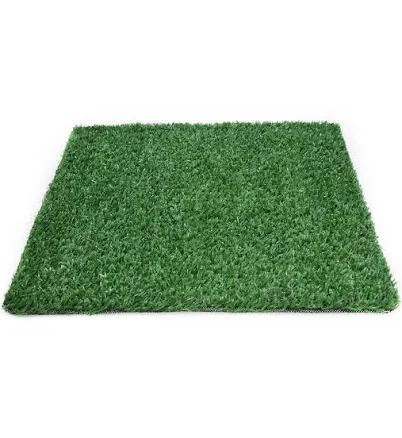
- Polypropylene (PP) astroturf
- We found no PFAS statement from the brand
- VOC off-gassing from polyurethane or latex adhesive
5 hazards checked on this product, all on its full breakdown.
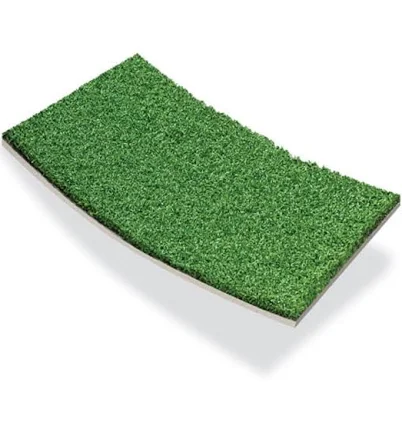
34 Oz Padded Gym Artificial Turf
- polyethylene turf fibers, polypropylene backing
- We found no PFAS statement from the brand
- VOC off-gassing from polyethylene and polypropylene
4 hazards checked on this product, all on its full breakdown.
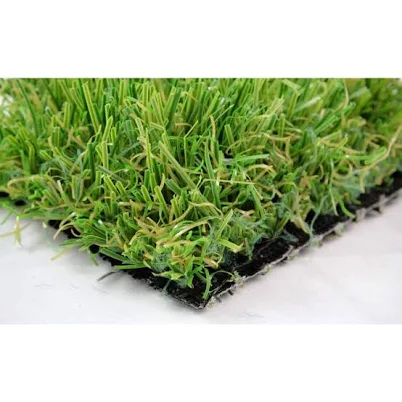
- polyethylene/polypropylene synthetic grass fibers with backing
- We found no PFAS statement from the brand
- Flame retardants
4 hazards checked on this product, all on its full breakdown.
Find an alternative on AmazonMore artificial turf grades
How we score, every product runs through the same public 0-100 rubric based on materials, coatings, brand disclosure, lab findings, and recalls. See the full methodology → Spotted a mistake? Report an error.