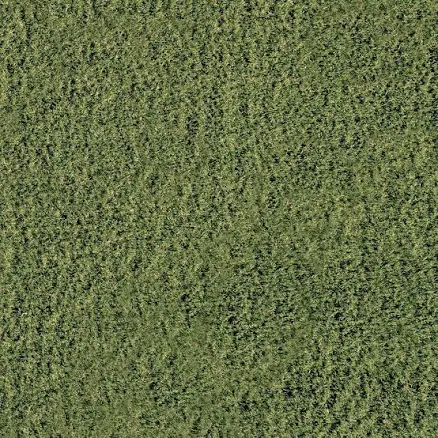
TrafficMaster · Artificial Turf
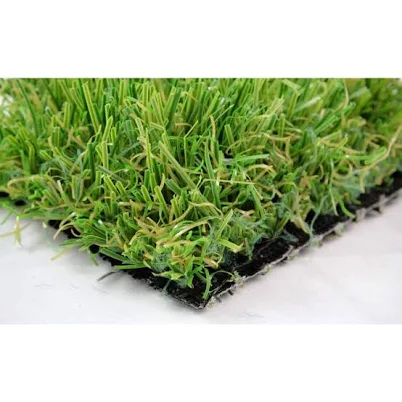
TrafficMaster Emerald Green Artificial Grass Turf Rug
Wait for brand to disclose water-resistant treatment chemistry.
Artificial grass rugs often use water-resistant coatings that may contain PFAS. TrafficMaster won't disclose the treatment used or provide lab data.
The better-graded swap
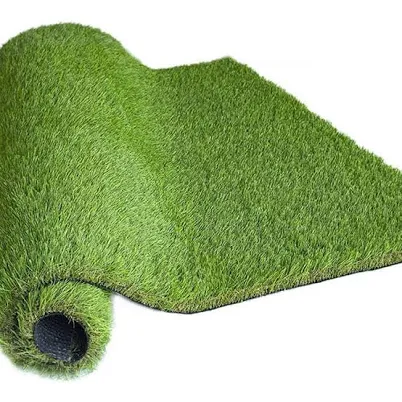
LITA
LITA ECO Ultra Thick Cut to Length
75/100 safety
Same rubric that flunked this product. The swap earned Excellent.
Still want this one anyway? Check the price on Amazon. We’d swap it.
Material
Polypropylene turf with unknown water/stain-resistant treatment
Brand disclosure
Brand is silent on PFAS
Lab data
No public lab test
What TrafficMaster Emerald Green Artificial is made of, ingredients and materials
TrafficMaster Emerald Green is polypropylene (PP) turf pile bonded to a backing material, likely polyurethane or latex. Polypropylene itself is chemically stable at room temperature and does not leach plasticizers or BPA. The primary concern is the water and stain-resistant finish applied to the fibers, which AstroTurf has not publicly detailed. This treatment is where potential hazards (including PFAS) typically hide in synthetic turf products.
What’s concerning
Category baseline
The starting point for this type of product, before anything specific to this product is counted.
No PFAS disclosure
No public statement from the brand about PFAS in this product.
Waterproof / stain-resistant treatment
Water-repellent coating treatments have historically used PFAS.
Volatile organic compounds (VOCs) from water/stain-resistant treatment
AstroTurf has not disclosed the chemical composition of the finish applied to this turf. Synthetic turf products commonly use acrylics, polyurethanes, or siloxanes; some formulations may off-gas at low levels, especially in warm conditions. New product off-gassing is typically mild but cannot be ruled out without material data.
Fiber shedding and microplastic particle release
Polypropylene turf sheds fibers under foot traffic and weathering, particularly as the product ages and backing degrades. These shed fibers are microplastics. While ingestion risk is low in a rug setting, inhalation and household dust accumulation are documented with synthetic turf products. Regular vacuuming reduces exposure.
Mold and bacterial growth in wet backing
The underlying backing layer (polyurethane or latex) can trap moisture if spills are not dried quickly or if the rug is placed on damp flooring. Humid climates or high foot traffic with wet feet increase risk. This is a maintenance issue rather than a chemical hazard but affects product safety over time.
Polypropylene degradation and leaching under heat
Polypropylene is stable at room temperature but can begin to degrade if exposed to sustained temperatures above 65-70°C (150-160°F). Placement near heat vents, radiators, or in direct sunlight over years may accelerate oxidative breakdown and release small amounts of degradation byproducts. Risk is low in typical indoor use.
What’s reassuring
Flame retardants
No public documentation exists confirming whether this product has been treated with flame retardants. Some residential turf rugs include brominated or phosphorous-based flame retardants to meet safety standards; AstroTurf's use is not established in available literature. Request a safety data sheet directly from the manufacturer if this is a concern.
Source, EPA ↗The full breakdown
The brand's record and disclosure
AstroTurf (Lonseal Inc.) has not published material safety data sheets or chemical disclosure statements specific to residential turf products in widely accessible databases. The brand has not achieved third-party certifications such as GreenGuard or FloorScore for volatile organic compound (VOC) emissions, which is standard for competing brands in the synthetic turf market. No major recalls or chemical controversies have been publicly reported for this specific product line, but silence on treatment chemistry is notable given industry scrutiny of PFAS in turf.
How it compares in its category
Synthetic turf rugs vary widely in chemical transparency. Premium brands (e.g., some FieldTurf residential lines) disclose backing materials and treatment chemicals; budget alternatives often do not. TrafficMaster sits in the mid-market segment with minimal public disclosure. The polypropylene fiber itself is less concerning than cheaper polyethylene alternatives, but the lack of certification limits confidence in off-gassing and water-resistance chemistry compared to brands with GreenGuard Gold or similar seals.
If you buy it
Unroll and air the rug in a well-ventilated space for 48-72 hours before placing in living areas to allow any volatile off-gassing to dissipate. Avoid placing in direct sunlight for extended periods, as polypropylene can degrade and shed fibers over time. Vacuum regularly with a standard vacuum (do not use steamers or excessive moisture, which can promote mold in the backing). Replace if fibers mat down severely, backing becomes waterlogged, or visible deterioration occurs (typically 5-10 years depending on foot traffic).
What we don’t know
- Basis
- Model estimate, 45% confidence, not a lab result
- Lab test
- None on record for this exact product
- Brand statement
- TrafficMaster has made none
Formulations change between production runs, so check the current label. How we grade.
Better-graded alternatives in Artificial Turf
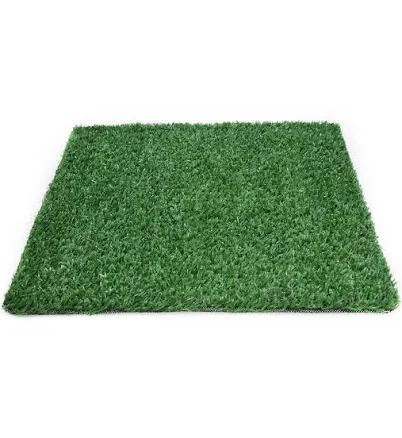
AstroTurf
SeeGreen 5 ft. W X 7 ft. L Green Polypropylene Astroturf
- Polypropylene (PP) astroturf
- We found no PFAS statement from the brand
- VOC off-gassing from polyurethane or latex adhesive
5 hazards checked on this product. See all of them.
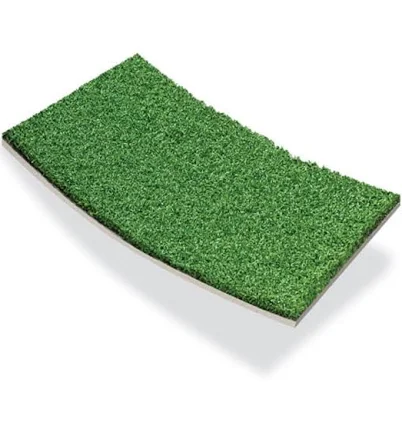
34 Oz Padded Gym Artificial Turf
- polyethylene turf fibers, polypropylene backing
- We found no PFAS statement from the brand
- VOC off-gassing from polyethylene and polypropylene
4 hazards checked on this product. See all of them.
Realgrass
Standard 15 ft. Wide x Cut to Length Artificial Grass Carpet
- polyethylene/polypropylene synthetic grass fibers with backing
- We found no PFAS statement from the brand
- Flame retardants
4 hazards checked on this product. See all of them.
More artificial turf grades
How we score, every product runs through the same public 0-100 rubric based on materials, coatings, brand disclosure, lab findings, and recalls. See the full methodology → Spotted a mistake? Report an error.