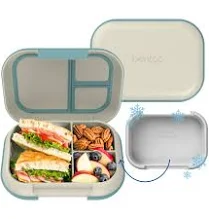
Bentgo Chill Max Leak Proof Lunch Box
Lower concern lunch box. No PFAS disclosure, but no known risks.
Bentgo Chill Max is a rigid plastic lunch container with silicone seals for leak-proofing. Brand does not disclose PFAS status; materials are standard, not inherently risky.
We flunk more products than we pass. This one earned its grade. How we grade
Material
Plastic (unspecified resin), silicone gasket
Brand disclosure
Brand is silent on PFAS
Lab data
No public lab test
What Bentgo Chill Max Leak Proof Lunch Box is made of, ingredients and materials
The Bentgo Chill Max is constructed from unspecified plastic resin (likely polypropylene or copolyester blend based on typical lunch-box construction) paired with a silicone gasket for the seal. The plastic itself carries potential for BPA or BPS leaching if the resin is polycarbonate, though many modern lunch boxes use BPA-free alternatives. Silicone gaskets are generally regarded as inert in food contact and do not typically off-gas or leach problematic compounds under normal storage and hand-washing temperatures.
What’s concerning
Category baseline
The starting point for this type of product, before anything specific to this product is counted.
No PFAS disclosure
No public statement from the brand about PFAS in this product.
BPA & bisphenols
Bentgo does not disclose the resin type (polycarbonate vs. polyester vs. polypropylene). If the plastic is polycarbonate, BPA or BPS is possible; most modern lunch boxes use BPA-free formulations, but confirmation from the manufacturer is not publicly available.
Source, FDA ↗Plastic resin degradation and leaching
Repeated heating (dishwasher or hot food), UV exposure, and contact with acidic or fatty foods can cause micro-degradation of unspecified plastic resins. Risk is low under normal use (cool to warm food, hand wash, moderate storage duration) but increases with abuse or age.
Microplastics
Prolonged mechanical wear from repeated opening, closing, and dishwashing may cause microscopic plastic fibers or particles to detach from the gasket or container surface, particularly if the plastic or silicone is of lower quality. Risk is incremental and long-term rather than acute.
Source, EPA ↗What’s reassuring
Base material not linked to PFAS
The main material recorded for this product is not one associated with PFAS.
Silicone gasket off-gassing or leaching
Silicone food-contact gaskets are chemically inert and do not release volatile organic compounds or leachates under typical food storage conditions. No hazards are documented for silicone gaskets in lunch-box seals.
Coating or non-stick surface hazards
No coating or non-stick treatment is documented for the Chill Max. The plastic and silicone are the primary contact surfaces, and neither carries known Teflon-type coating or similar hazards.
The full breakdown
The brand's record and disclosure
Bentgo has not published detailed material or PFAS disclosures for the Chill Max line. The brand does not appear in major third-party safety databases as having certification (e.g., Cradle-to-Cradle, NSF) for this product. No recalls or substantiated health complaints specific to the Chill Max have been documented in public consumer safety records. The silent PFAS stance reflects a common industry pattern in food containers; absence of disclosure does not confirm presence of PFAS.
How it compares in its category
Plastic lunch boxes dominate the market and carry similar baseline risks as the Chill Max, unspecified resin chemistry, potential for resin degradation if exposed to heat or repeated dishwashing, and limited post-consumer transparency. Glass or stainless-steel alternatives eliminate resin-leaching concerns but add weight and breakage risk. The Chill Max's silicone gasket is a common industry standard and does not distinguish it as lower or higher hazard than comparable sealed plastic containers. Comparable brands (e.g., Rubbermaid, Sistema) share identical material opacity and disclosure gaps.
If you buy it
Hand wash the container and gasket in warm soapy water rather than dishwasher to extend seal integrity and reduce thermal stress on the plastic. Avoid filling with very hot food or liquids above 140 degrees Fahrenheit, as sustained heat can degrade polymer structure and increase resin leaching risk. Inspect the gasket annually for cracks, discoloration, or odor changes; replace if visible degradation occurs. Do not use for extended storage of acidic or oily foods (e.g., vinegar-based dressings, oils), which can accelerate microscopic degradation of some plastic resins.
What we don’t know
- Basis
- Model estimate, 62% confidence, not a lab result
- Lab test
- None on record for this exact product
- Brand statement
- Bentgo has made none
Formulations change between production runs, so check the current label. How we grade.
Better-graded alternatives in Lunch Boxes
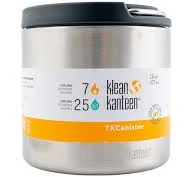
Klean Kanteen
Double Wall Vacuum Insulated Stainless Steel Food Canister Container with Leak Proof Lid
- Stainless steel body, silicone gasket lid seal
- The brand calls it PFAS-free, which we have not verified
- Silicone gasket degradation
3 hazards checked on this product. See all of them.
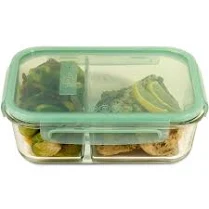
Snapware
Meal Box Glass
- borosilicate glass
- We found no PFAS statement from the brand
- Leaching from glass matrix or lid seals
2 hazards checked on this product. See all of them.
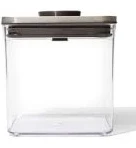
OXO
Steel Pop Big Square Short - 2.8 Qt/2.6 l
- Stainless steel container, no surface treatment
- Lid/gasket polymer leaching
3 hazards checked on this product. See all of them.
More lunch boxes grades
How we score, every product runs through the same public 0-100 rubric based on materials, coatings, brand disclosure, lab findings, and recalls. See the full methodology → Spotted a mistake? Report an error.