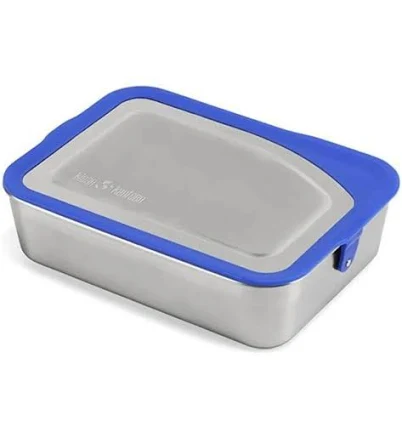
Klean Kanteen Meal 34oz Food Box
Lower concern. Stainless steel food box lacks known PFAS triggers.
Klean Kanteen's food box uses stainless steel, an inherently lower-risk material for PFAS. No coatings, nonstick treatments, or waterproofing reported. No third-party testing found.
We flunk more products than we pass. This one earned its grade. How we grade
Material
stainless steel container with glass or ceramic lid
Brand disclosure
Brand is silent on PFAS
Lab data
No public lab test
You may also be interested in
Top-graded picks in the categories readers replace first, every one scored on the same rubric.

- polypropylene filter housing, carbon/sediment cartridge
- We found no PFAS statement from the brand
- Bacterial growth in spent cartridges
3 hazards checked on this product, all on its full breakdown.

Aquasure
Premier Series 75 GPD Under Sink Reverse Osmosis Water Filtration System
- RO membrane, carbon filters, stainless steel housing
- We found no PFAS statement from the brand
- Bacterial and microbial growth in housing and filters
4 hazards checked on this product, all on its full breakdown.

Avocado
Vegan Mattress
- organic cotton, natural latex, coconut coir, recycled steel coils
- The brand calls it PFAS-free, which we have not verified
- Heavy metals
2 hazards checked on this product, all on its full breakdown.
What Klean Kanteen Meal 34oz Food Box is made of, ingredients and materials
The Klean Kanteen Meal 34oz combines 18/8 stainless steel (304-grade) for the container with either borosilicate glass or ceramic for the lid. Stainless steel is chemically inert and does not leach metals or polymers into food under normal storage and use conditions. Glass and ceramic lids are similarly stable and do not release compounds into food. This combination avoids the plastic-leaching risks (BPA, BPS, phthalates) present in many food-storage alternatives.
What’s concerning
No PFAS disclosure
No public statement from the brand about PFAS in this product.
Category baseline
The starting point for this type of product, before anything specific to this product is counted.
Ceramic or glass lid degradation
Ceramic lids may develop micro-cracks or glaze wear over time from repeated thermal cycling or mechanical stress. Borosilicate glass resists thermal shock but can crack if dropped. Neither poses a chemical hazard, only physical contamination risk (ceramic particles) if damage occurs.
Gasket or seal leachables
Lids typically use silicone or rubber gaskets to ensure an airtight seal. Most commercial silicone food-grade gaskets do not leach under normal storage, but aging and exposure to heat can degrade seals. No recalls specific to this product have been issued.
What’s reassuring
Base material not linked to PFAS
The main material recorded for this product is not one associated with PFAS.
Metal leaching (stainless steel)
18/8 stainless steel is highly resistant to corrosion and leaching under normal food-storage conditions. No documented cases of nickel, chromium, or iron leaching from Klean Kanteen containers into food exist in published data.
BPA & bisphenols
The stainless steel and glass/ceramic construction eliminates the polymer sources that release BPA, BPS, or phthalates. No plastic components contact food in this design.
Source, FDA ↗Microplastics
Absence of plastic food-contact surfaces means no microplastics can shed into food, even if the product is heated or stored with acidic contents.
Source, EPA ↗How is this PFAS grade calculated?
The brand's record and disclosure
Klean Kanteen has built its brand identity around non-toxic, sustainable materials and maintains public commitment to avoiding harmful chemicals in products. The company does not widely advertise detailed third-party testing results, but no safety recalls, product warnings, or regulatory actions against this product line exist in public records. The brand's marketing emphasizes BPA-free and chemical-free positioning, which aligns with the material composition.
How it compares in its category
This product sits at the lower-concern end of the food-storage spectrum. Typical plastic food containers (polypropylene, polycarbonate) carry baseline risks of polymer additives leaching under heat or acidic conditions. Stainless steel containers eliminate that concern entirely. Among stainless steel food boxes, Klean Kanteen's reputation for quality control and finish consistency is well-established, reducing the risk of coating defects that could allow corrosion or particulate release.
If you buy it
Hand wash the container and lid rather than using a dishwasher, as repeated high-heat cycles can degrade adhesive bonds between the lid and container over years of use. Avoid prolonged storage of highly acidic foods (citrus, vinegar, tomato) directly against the stainless steel, though no significant leaching occurs. Inspect the lid gasket or ceramic rim annually for cracks or wear; replace if visible damage appears. The stainless steel body is durable for 10+ years with proper care.
What is not known about PFAS in this product?
- Basis
- Model estimate, 78% confidence, not a lab result
- Lab test
- None on record for this exact product
- Brand statement
- Klean Kanteen has made none
Formulations change between production runs, so check the current label. How we grade.
What are the PFAS-free alternatives to Klean Kanteen Meal 34oz Food Box?
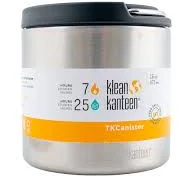
Klean Kanteen
Double Wall Vacuum Insulated Stainless Steel Food Canister Container with Leak Proof Lid
- Stainless steel body, silicone gasket lid seal
- The brand calls it PFAS-free, which we have not verified
- Silicone gasket degradation
3 hazards checked on this product, all on its full breakdown.
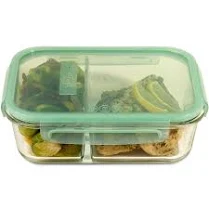
- borosilicate glass
- We found no PFAS statement from the brand
- Leaching from glass matrix or lid seals
2 hazards checked on this product, all on its full breakdown.
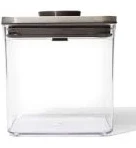
- Stainless steel container, no surface treatment
- Lid/gasket polymer leaching
3 hazards checked on this product, all on its full breakdown.
More lunch boxes grades
How we score, every product runs through the same public 0-100 rubric based on materials, coatings, brand disclosure, lab findings, and recalls. See the full methodology → Spotted a mistake? Report an error.