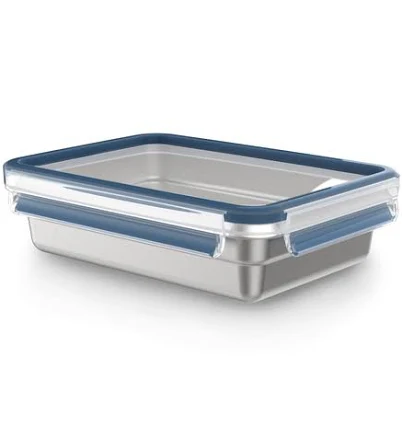
Emsa n1150500 Hermetic Jar
Glass food jars carry minimal PFAS risk; skip if lid composition uncertain.
Emsa N1150500 is a hermetic glass storage jar. Glass itself is not associated with PFAS; plastic lids are typically low-risk but composition lacks public confirmation from the brand.
We flunk more products than we pass. This one earned its grade. How we grade
Material
glass jar, plastic lid (polypropylene/polystyrene)
Brand disclosure
Brand is silent on PFAS
Lab data
No public lab test
You may also be interested in
Top-graded picks in the categories readers replace first, every one scored on the same rubric.

- polypropylene filter housing, carbon/sediment cartridge
- We found no PFAS statement from the brand
- Bacterial growth in spent cartridges
3 hazards checked on this product, all on its full breakdown.

Aquasure
Premier Series 75 GPD Under Sink Reverse Osmosis Water Filtration System
- RO membrane, carbon filters, stainless steel housing
- We found no PFAS statement from the brand
- Bacterial and microbial growth in housing and filters
4 hazards checked on this product, all on its full breakdown.

Avocado
Vegan Mattress
- organic cotton, natural latex, coconut coir, recycled steel coils
- The brand calls it PFAS-free, which we have not verified
- Heavy metals
2 hazards checked on this product, all on its full breakdown.
What Emsa n1150500 Hermetic Jar is made of, ingredients and materials
The Emsa N1150500 is a glass food jar with an airtight seal, meaning the primary food-contact surface is inert borosilicate or soda-lime glass, which does not leach chemicals into contents under normal conditions. The lid appears to use polypropylene (PP) or polystyrene (PS) based on Emsa's typical hermetic jar construction, both of which are chemically stable plastics with minimal migration at room temperature. Rubber or silicone gaskets are standard in these jars and do not present documented hazards for dry or acidic foods. Glass is not a material linked to PFAS, and it is non-porous and does not degrade.
What’s concerning
Category baseline
The starting point for this type of product, before anything specific to this product is counted.
No PFAS disclosure
No public statement from the brand about PFAS in this product.
Gasket material degradation and microbial contamination
Rubber or silicone gaskets can accumulate mold or bacterial biofilm if not dried thoroughly after washing or if stored in humid conditions. This is a hygiene issue rather than a chemical hazard, and is preventable through proper maintenance. Regular inspection and replacement every 2-3 years mitigates risk.
Glass fracture and contamination from fragments
Borosilicate or soda-lime glass can shatter if dropped or subjected to thermal shock (e.g., pouring boiling water into a cold jar). This is a mechanical hazard, not a chemical one, but broken glass can fragment into food. Handle with care and allow jars to reach room temperature before filling with hot liquids.
What’s reassuring
Base material not linked to PFAS
The main material recorded for this product is not one associated with PFAS.
BPA & bisphenols
Polypropylene and polystyrene do not contain BPA or common phthalate plasticizers by design. No documented cases of chemical leaching from Emsa hermetic jar lids under normal storage conditions. Risk is theoretical only at temperatures above typical kitchen use.
Source, FDA ↗Lead
Modern food-grade glass from EU manufacturers like Emsa is not typically contaminated with lead or cadmium. Soda-lime and borosilicate glasses used in food jars do not intentionally contain these metals. No recalls or testing failures on record for this product line.
Source, ATSDR ↗Microplastic shedding from plastic lid
PP and PS lids are solid, molded components that do not shed microplastics during normal use. Degradation risk is low unless the plastic is scratched, cracked, or exposed to UV light for extended periods. Storage in a cool, dark cabinet prevents any accelerated wear.
How is this PFAS grade calculated?
The brand's record and disclosure
Emsa is a German housewares manufacturer with no publicly documented safety recalls or chemical disclosure failures for food storage jars. The company does not publish detailed PFAS or chemical testing statements for food containers, so consumers have limited transparency into manufacturing processes. No independent third-party certifications (BPA-free labeling, FDA approval statements) appear on typical product listings for this model. Absence of disclosure does not indicate a problem, but it reflects an industry-wide gap in voluntary transparency.
How it compares in its category
Glass food jars have lower concern than plastic containers (which carry BPA or BPS migration potential) or coated metal lids (which may contain epoxy resins). Emsa's hermetic jars are comparable to Bormioli Rocco, Luminarc, and OXO in material composition and durability. The plastic lid design places this product slightly behind fully glass-closure systems but well ahead of single-use or thin-walled plastic storage. This is a mainstream, conventional product with no unusual chemical exposure profile.
If you buy it
Store dry goods, oils, vinegars, and acidic foods without restriction; glass and PP/PS are stable across these conditions. Avoid prolonged contact of very hot liquids (above 80°C) with the plastic lid to minimize any theoretical thermal migration of plasticizers, though this risk is low with PP/PS. Inspect the rubber gasket annually for degradation, mold, or discoloration; replace if cracked or stiff. Hand wash the lid rather than machine washing to extend the seal integrity, and do not store strongly aromatic or solvent-based substances (e.g., essential oils in high concentration) as some plastics can absorb odors over years.
What is not known about PFAS in this product?
- Basis
- Model estimate, 78% confidence, not a lab result
- Lab test
- None on record for this exact product
- Brand statement
- Emsa has made none
Formulations change between production runs, so check the current label. How we grade.
What are the PFAS-free alternatives to Emsa n1150500 Hermetic Jar?
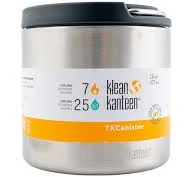
Klean Kanteen
Double Wall Vacuum Insulated Stainless Steel Food Canister Container with Leak Proof Lid
- Stainless steel body, silicone gasket lid seal
- The brand calls it PFAS-free, which we have not verified
- Silicone gasket degradation
3 hazards checked on this product, all on its full breakdown.
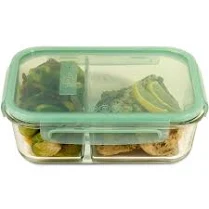
- borosilicate glass
- We found no PFAS statement from the brand
- Leaching from glass matrix or lid seals
2 hazards checked on this product, all on its full breakdown.
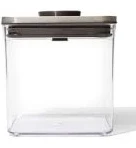
- Stainless steel container, no surface treatment
- Lid/gasket polymer leaching
3 hazards checked on this product, all on its full breakdown.
More lunch boxes grades
How we score, every product runs through the same public 0-100 rubric based on materials, coatings, brand disclosure, lab findings, and recalls. See the full methodology → Spotted a mistake? Report an error.