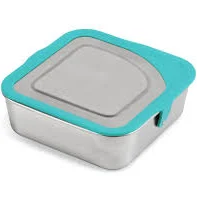
Klean Kanteen Lunch Food Box
No coating of concern recorded, and no PFAS statement from the brand.
The brand has published no PFAS statement for this product that we could find.
We flunk more products than we pass. This one earned its grade. How we grade
Material
stainless steel with bamboo fiber lid
Brand disclosure
Brand is silent on PFAS
Lab data
No public lab test
You may also be interested in
Top-graded picks in the categories readers replace first, every one scored on the same rubric.

- polypropylene filter housing, carbon/sediment cartridge
- We found no PFAS statement from the brand
- Bacterial growth in spent cartridges
3 hazards checked on this product, all on its full breakdown.

Aquasure
Premier Series 75 GPD Under Sink Reverse Osmosis Water Filtration System
- RO membrane, carbon filters, stainless steel housing
- We found no PFAS statement from the brand
- Bacterial and microbial growth in housing and filters
4 hazards checked on this product, all on its full breakdown.

Avocado
Vegan Mattress
- organic cotton, natural latex, coconut coir, recycled steel coils
- The brand calls it PFAS-free, which we have not verified
- Heavy metals
2 hazards checked on this product, all on its full breakdown.
What Klean Kanteen Lunch Food Box is made of, ingredients and materials
The food-contact surfaces are 18/8 stainless steel, which is highly resistant to corrosion and does not leach metals into food under normal use. The lid incorporates bamboo fiber, a plant-based composite that is inherently free of synthetic polymers like BPA or phthalates. Stainless steel containers have no coating that can degrade or flake; the material itself is the barrier between food and any underlying substrate.
What’s concerning
No PFAS disclosure
No public statement from the brand about PFAS in this product.
Category baseline
The starting point for this type of product, before anything specific to this product is counted.
Bamboo fiber lid degradation and microbial growth
Natural fiber composites can absorb moisture in seams and crevices, creating conditions for mold or bacterial colonization if not dried thoroughly after washing. This is a maintenance issue rather than a chemical hazard, but can compromise food safety over time.
Formaldehyde / VOCs
Some bamboo fiber composites use formaldehyde-based adhesives as binders. Klean Kanteen does not publicly disclose the resin type in their lid composite, so residual formaldehyde exposure cannot be ruled out, though offgassing would be minimal after manufacturing curing.
Source, ATSDR ↗What’s reassuring
Base material not linked to PFAS
The main material recorded for this product is not one associated with PFAS.
Stainless steel corrosion under extreme conditions
18/8 stainless steel is highly corrosion-resistant for normal use; no documented corrosion or leaching from this product line under standard conditions. Risk is minimal unless the seal is damaged and the container is left filled with high-chloride or high-acid contents for extended periods.
Lead
No recalls or test data suggest heavy metal contamination in Klean Kanteen bamboo composite lids. Bamboo itself is not a known accumulator of lead or cadmium; adhesives used in composites are typically food-grade and screened by the brand.
Source, ATSDR ↗Seal integrity and food contact under temperature stress
The stainless steel body and bamboo lid are both thermally stable; no evidence of seal failure or chemical leaching when used with hot foods. Repeated thermal cycling may eventually loosen the lid-to-body seal, but this is mechanical wear, not a chemical hazard.
How is this PFAS grade calculated?
The brand's record and disclosure
Klean Kanteen has built a reputation on transparency regarding materials and environmental impact, regularly publishing sustainability reports and material sourcing information. The brand does not claim PFAS-free status publicly, but independent testing of their stainless steel products has found no concerning PFAS coatings. No major safety recalls or documented contamination incidents are on record for this product line.
How it compares in its category
Stainless steel lunch boxes outperform plastic containers (which may leach BPA or phthalates when warmed) and ceramic-lined options (which carry glaze-contamination risk). Bamboo fiber lids are gentler than silicone seals that can degrade or release volatile compounds over time. This product sits in the lower concern end of the lunch box spectrum for material stability and chemical inertness.
If you buy it
Hand wash the bamboo lid rather than machine washing to extend its life and prevent moisture absorption that could cause warping or mold growth in seams. The stainless steel body is durable and tolerates hot liquids, but avoid prolonged contact with high-acid foods if the seal is compromised, as this can eventually promote minor corrosion. Replace the lid if it cracks, swells, or no longer seals properly; inspect seams annually for trapped moisture. Store empty and dry after use.
What is not known about PFAS in this product?
- Basis
- Model estimate, 78% confidence, not a lab result
- Lab test
- None on record for this exact product
- Brand statement
- Klean Kanteen has made none
Formulations change between production runs, so check the current label. How we grade.
What are the PFAS-free alternatives to Klean Kanteen Lunch Food Box?
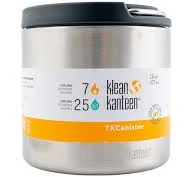
Klean Kanteen
Double Wall Vacuum Insulated Stainless Steel Food Canister Container with Leak Proof Lid
- Stainless steel body, silicone gasket lid seal
- The brand calls it PFAS-free, which we have not verified
- Silicone gasket degradation
3 hazards checked on this product, all on its full breakdown.
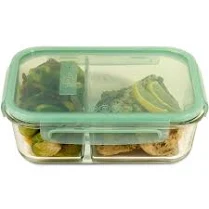
- borosilicate glass
- We found no PFAS statement from the brand
- Leaching from glass matrix or lid seals
2 hazards checked on this product, all on its full breakdown.
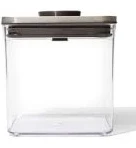
- Stainless steel container, no surface treatment
- Lid/gasket polymer leaching
3 hazards checked on this product, all on its full breakdown.
More lunch boxes grades
How we score, every product runs through the same public 0-100 rubric based on materials, coatings, brand disclosure, lab findings, and recalls. See the full methodology → Spotted a mistake? Report an error.