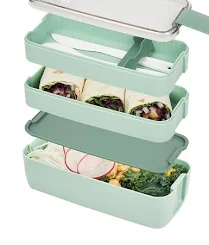
Restaurantware Bento Tek 30 Ounce Bento Box, 1 Stackable 3 Compartment Lunch Container
Low PFAS risk; standard rigid PP bento box, no treated coatings.
Restaurantware Bento Tek bento boxes are molded polypropylene with no disclosed surface treatments or water-repellent coatings. Standard PP food containers carry lower PFAS concern than coated or treated packaging.
We flunk more products than we pass. This one earned its grade. How we grade
Material
Polypropylene (PP) plastic
Brand disclosure
Brand is silent on PFAS
Lab data
No public lab test
What Restaurantware Bento Tek 30 Ounce Bento is made of, ingredients and materials
This bento box is polypropylene (PP, #5 plastic), a commodity thermoplastic commonly used in food containers because it resists moisture, is microwave-safe up to moderate temperatures (typically 160-180°C / 320-356°F), and has no inherent BPA or BPS content by formulation. PP does not require phthalate plasticizers for flexibility since it is naturally rigid; the main manufacturing concern is residual monomer (propylene) and processing additives. The compartments and lid are injection-molded, meaning no adhesive layers or coatings introduce secondary leaching risks.
What’s concerning
Category baseline
The starting point for this type of product, before anything specific to this product is counted.
No PFAS disclosure
No public statement from the brand about PFAS in this product.
Microplastic shedding or leaching during heating or mechanical stress
Polypropylene can shed microscopic particles when scratched, microwaved repeatedly, or degraded over time. Risk is higher if the container is used with abrasive utensils or at temperatures near its softening point (above 160°C). No specific data for this brand, but normal for the material category.
Residual monomer (propylene) leaching at elevated temperature
All polypropylene contains trace unpolymerized propylene that can migrate into food, especially fats and acidic content, under sustained heat. FDA permits migration below 0.05 mg/L; Bento Tek does not publish migration test results, so individual leaching cannot be ruled out, though risk is low under normal use.
What’s reassuring
Base material not linked to PFAS
The main material recorded for this product is not one associated with PFAS.
BPA & bisphenols
Polypropylene #5 does not require BPA or BPS as a base resin; no BPA-free declaration is needed because the material chemistry excludes it. No recalls or testing results for this product brand indicate BPA presence.
Source, FDA ↗Phthalates
PP is naturally rigid and does not require phthalate plasticizers for flexibility. No documented phthalate additives or leaching concerns in polypropylene bento containers of this type.
Source, ATSDR ↗Lead
Polypropylene feedstock for food-contact applications is not typically doped with heavy metals; no recalls or test results for this Bento Tek product indicate lead, cadmium, or antimony contamination above background.
Source, ATSDR ↗The full breakdown
The brand's record and disclosure
Bento Tek is a Restaurantware house brand with no public safety certifications, third-party testing disclosures, or known recalls for this product line on record. The brand does not publish material safety data sheets or heavy-metal testing results for its plastic containers. No formal stance on chemical reduction or regulatory compliance is documented, though the product is sold in US food-service channels and therefore subject to FDA food-contact plastic rules.
How it compares in its category
Rigid polypropylene bento boxes are the baseline standard in the affordable food-storage category; this product occupies the mainstream tier alongside generic restaurant-supply containers. No material advantage or disadvantage versus other PP bento boxes without documented lead, cadmium, or antimony contamination. Some premium alternatives use glass or stainless-steel compartments to eliminate plastic contact entirely, but this PP option carries no established toxicity signature above its material class.
If you buy it
Keep contents below 160°C (320°F) and avoid direct microwave heating of oils or fatty foods for extended periods, as PP can soften and leach residual monomers under prolonged high heat. Hand wash or use a dishwasher's low-heat cycle to extend lid seal integrity. Replace if the plastic becomes visibly cloudy, cracked, or brittle, as degradation can release additives. Do not use for long-term storage of acidic (vinegar, citrus) or alcohol-based foods, which can accelerate leaching, though no specific contaminants are documented for this brand.
What we don’t know
- Basis
- Model estimate, 72% confidence, not a lab result
- Lab test
- None on record for this exact product
- Brand statement
- Bento Tek has made none
Formulations change between production runs, so check the current label. How we grade.
Better-graded alternatives in Lunch Boxes
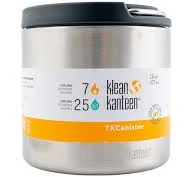
Klean Kanteen
Double Wall Vacuum Insulated Stainless Steel Food Canister Container with Leak Proof Lid
- Stainless steel body, silicone gasket lid seal
- The brand calls it PFAS-free, which we have not verified
- Silicone gasket degradation
3 hazards checked on this product. See all of them.
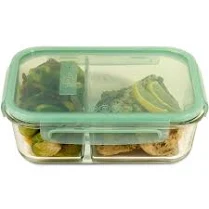
Snapware
Meal Box Glass
- borosilicate glass
- We found no PFAS statement from the brand
- Leaching from glass matrix or lid seals
2 hazards checked on this product. See all of them.
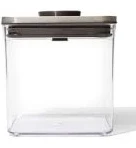
OXO
Steel Pop Big Square Short - 2.8 Qt/2.6 l
- Stainless steel container, no surface treatment
- Lid/gasket polymer leaching
3 hazards checked on this product. See all of them.
More lunch boxes grades
How we score, every product runs through the same public 0-100 rubric based on materials, coatings, brand disclosure, lab findings, and recalls. See the full methodology → Spotted a mistake? Report an error.