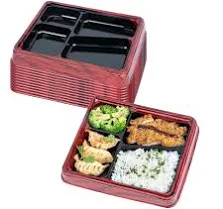
Restaurantware-Bento Tek Meal Prep Containers Disposable To Go Food Boxes
Lower-concern material; brand silent on PFAS treatment status.
Bento Tek meal prep containers use polypropylene and paperboard, materials without inherent PFAS. No grease-resistant coating or water-repellent finish is documented, so PFAS risk is lower, but the brand discloses nothing about any surface treatments.
We flunk more products than we pass. This one earned its grade. How we grade
Material
polypropylene (PP), paperboard
Brand disclosure
Brand is silent on PFAS
Lab data
No public lab test
What Restaurantware-Bento Tek Meal Prep is made of, ingredients and materials
Bento Tek containers are polypropylene (PP, #5 plastic) with paperboard components. Polypropylene is a thermoplastic with a melting point around 130-171°C, making it resistant to leaching at normal food storage temperatures. The paperboard shell adds structural rigidity and reduces plastic contact with food in some designs. PP does not contain BPA, BPS, or phthalates as intentional additives, which distinguishes it from lower-grade plastics in the food storage category.
What’s concerning
Category baseline
The starting point for this type of product, before anything specific to this product is counted.
No PFAS disclosure
No public statement from the brand about PFAS in this product.
Microplastics
Polypropylene is chemically stable at room temperature but can fragment under repeated mechanical stress (washing, stacking) or exposure to heat near its softening point. No quantified shedding data exists for Bento Tek specifically, but the risk is inherent to all disposable PP containers.
Source, EPA ↗Odor or volatile organic compound release when heated
PP can emit a plasticky or waxy odor when warmed above 100°C, and trace volatile compounds may migrate to food. Microwave use or exposure to direct heat should be avoided to prevent this.
Contamination or bacterial growth from food residue
Disposable containers may retain food particles in crevices or hinges if not cleaned thoroughly before storage or reuse. This is a hygiene issue independent of material toxicity but relevant to food safety in practice.
Opacity or cloudiness from repeated washing indicating polymer degradation
Over time, PP containers may lose transparency, which signals stress-whitening and potential structural weakening. This is a visual cue to replace containers and avoid further use.
What’s reassuring
Base material not linked to PFAS
The main material recorded for this product is not one associated with PFAS.
BPA & bisphenols
Polypropylene does not contain BPA or BPS as components, and phthalates are not intentionally added to food-grade PP. This material class does not carry the legacy chemical burden of older polycarbonate or PVC food storage products.
Source, FDA ↗The full breakdown
The brand's record and disclosure
Bento Tek is a foodservice brand under Restaurantware and does not publish public safety certifications, material disclosures, or third-party testing results on their website. No product recalls, lawsuits, or safety incidents involving these containers are on record. The brand has made no public statement regarding PFAS treatment or avoidance, leaving end-user confidence dependent on material composition alone rather than verified commitments.
How it compares in its category
Polypropylene meal prep containers are industry-standard for disposable foodservice. They sit at the lower-hazard end of plastic food packaging because PP does not inherently contain legacy chemicals (BPA, phthalates) that affect polycarbonate or PVC alternatives. Glass or stainless-steel reusables eliminate plastic leaching risk entirely but cost more and generate waste only through breakage; these containers are favored for single-use convenience, not safety superiority.
If you buy it
Do not microwave or heat these containers above 100-120°C, as PP softens and may warp or release odorous volatiles. Store dry foods and cool or room-temperature wet foods only; do not fill with hot liquids directly from cooking. Inspect containers for cracks or cloudiness before reuse if washing by hand; discard if damaged. Replace every 6-12 months of regular use, as repeated heating and washing may degrade polymer matrix and increase microparticle shed.
What we don’t know
- Basis
- Model estimate, 72% confidence, not a lab result
- Lab test
- None on record for this exact product
- Brand statement
- Bento Tek has made none
Formulations change between production runs, so check the current label. How we grade.
Better-graded alternatives in Lunch Boxes
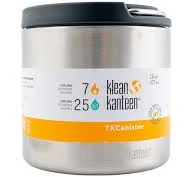
Klean Kanteen
Double Wall Vacuum Insulated Stainless Steel Food Canister Container with Leak Proof Lid
- Stainless steel body, silicone gasket lid seal
- The brand calls it PFAS-free, which we have not verified
- Silicone gasket degradation
3 hazards checked on this product. See all of them.
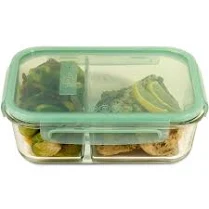
Snapware
Meal Box Glass
- borosilicate glass
- We found no PFAS statement from the brand
- Leaching from glass matrix or lid seals
2 hazards checked on this product. See all of them.
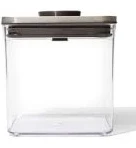
OXO
Steel Pop Big Square Short - 2.8 Qt/2.6 l
- Stainless steel container, no surface treatment
- Lid/gasket polymer leaching
3 hazards checked on this product. See all of them.
More lunch boxes grades
How we score, every product runs through the same public 0-100 rubric based on materials, coatings, brand disclosure, lab findings, and recalls. See the full methodology → Spotted a mistake? Report an error.