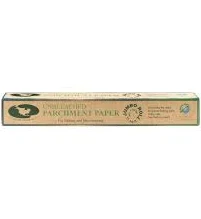
Mrs. Anderson's Baking · Parchment Paper & Baking Liners
Mrs. Anderson's Baking Unbleached Parchment Paper
Pick another brand unless you confirm the coating type directly with Mrs. Anderson's.
Mrs. Anderson's parchment offers no transparency about its coating or PFAS status. Parchment coatings commonly use Teflon-family coating for grease resistance.
The better-graded swap
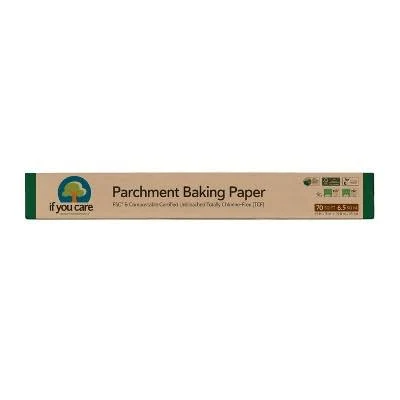
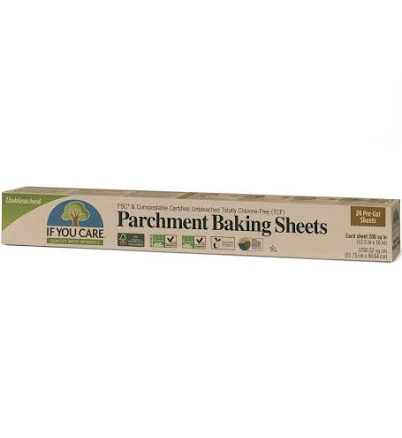
If You Care
If You Care Parchment Baking Paper
90/100 safety
Same rubric that flunked this product. The swap earned Excellent.
Still want this one anyway? Check the price on Amazon. We’d swap it.
Material
Paper with silicone or Teflon-family coating (unspecified)
Brand disclosure
Brand is silent on PFAS
Lab data
No public lab test
You may also be interested in
Top-graded picks in the categories readers replace first, every one scored on the same rubric.

- polypropylene filter housing, carbon/sediment cartridge
- We found no PFAS statement from the brand
- Bacterial growth in spent cartridges
3 hazards checked on this product, all on its full breakdown.

Aquasure
Premier Series 75 GPD Under Sink Reverse Osmosis Water Filtration System
- RO membrane, carbon filters, stainless steel housing
- We found no PFAS statement from the brand
- Bacterial and microbial growth in housing and filters
4 hazards checked on this product, all on its full breakdown.

Avocado
Vegan Mattress
- organic cotton, natural latex, coconut coir, recycled steel coils
- The brand calls it PFAS-free, which we have not verified
- Heavy metals
2 hazards checked on this product, all on its full breakdown.
What Mrs. Anderson's Baking Parchment Paper is made of, ingredients and materials
Mrs. Anderson's unbleached parchment is paper (likely kraft pulp) with a heat-resistant coating, but the specific coating material is not disclosed on packaging or the brand website. The coating is either silicone-based (fluorine-free, lower PFAS concern) or a Teflon-family coating like Teflon-type coating (high PFAS concern). Unbleached status means no chlorine-based bleach residues, which is a minor positive, but it does not address the more significant coating question.
What’s concerning
Category baseline
The starting point for this type of product, before anything specific to this product is counted.
No PFAS disclosure
No public statement from the brand about PFAS in this product.
Waterproof / stain-resistant treatment
Water-repellent coating treatments have historically used PFAS.
PFAS
If the coating is Teflon-type coating or related Teflon-family coating (not confirmed), heating above 400°F can release fluorinated fumes. The product does not disclose coating chemistry, making this risk impossible to rule out.
Source, ATSDR ↗Thermal degradation and fume release
Any plastic or synthetic coating can degrade if exposed to sustained high heat or direct flame. Even silicone-coated paper may off-gas minor volatiles at broiler temperatures; the unbleached paper base itself is low-risk but does not eliminate coating concerns.
Migration of coating compounds into food
Silicone and Teflon-family coating coatings can leach into fatty or oily foods at elevated temperatures. No specific migration data for Mrs. Anderson's is publicly available; risk is typical for the category but not quantified here.
What’s reassuring
Ink or dye from printed labeling
The unbleached paper may carry minimal printing. If labeling or branding ink is present on the roll, direct food contact with inked surfaces should be avoided, but no recalls or complaints specific to this product exist.
Chlorine residues (bleach byproducts)
Unbleached status eliminates typical chlorine-based bleach residues found in white parchment. This is a minor advantage but does not address the larger PFAS or coating transparency issue.
How is this PFAS grade calculated?
The brand's record and disclosure
Beyond Gourmet (owner of the Mrs. Anderson's line) has not published independent certifications, PFAS testing data, or material safety statements specific to their parchment products. The brand does not clearly state whether silicone or Teflon-family coating is used. This silence is notable in an era when competitors like If You Care and Regency Wraps explicitly advertise silicone-coated or PFAS-free options. No recalls or regulatory actions on record for this specific product.
How it compares in its category
Unbleached parchment paper is a middle-ground choice within the category. Silicone-coated versions (e.g., If You Care) are more transparently PFAS-free and perform similarly up to 420°F. Teflon-family coating-coated parchment (common in mass-market brands) offers slightly higher heat tolerance (up to 500°F) but carries PFAS exposure risk. This product's lack of transparency places it below disclosed alternatives but not necessarily worse than unlabeled competitors.
If you buy it
Contact Beyond Gourmet customer service directly to confirm whether the coating is silicone or Teflon-family coating before use; do not assume the brand will volunteer this information. Use only below 420°F oven temperature (broiler use is inadvisable even at lower temps due to radiant heat spikes). Replace the paper immediately if you notice browning, flaking, or a plastic-like smell during heating. Store in a cool, dry place away from direct sunlight to prevent premature degradation.
What is not known about PFAS in this product?
- Basis
- Model estimate, 35% confidence, not a lab result
- Lab test
- None on record for this exact product
- Brand statement
- Mrs. Anderson's Baking has made none
Formulations change between production runs, so check the current label. How we grade.
What are the PFAS-free alternatives to Mrs. Anderson's Baking Unbleached Parchment Paper?
- silicone-coated parchment paper
- The brand calls it PFAS-free, which we have not verified
- Paper degradation and particulate shedding
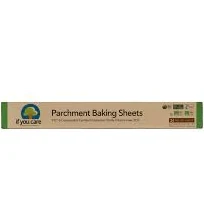
- unbleached paper with silicone coating
- The brand calls it PFAS-free, which we have not verified
- Silicone coating degradation at high heat
- bleached paper with silicone coating
- The brand calls it PFAS-free, which we have not verified
- Paper degradation and fragmentation
More parchment paper & baking liners grades
How we score, every product runs through the same public 0-100 rubric based on materials, coatings, brand disclosure, lab findings, and recalls. See the full methodology → Spotted a mistake? Report an error.