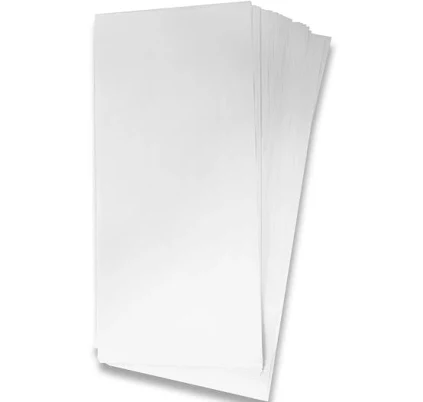
· Parchment Paper & Baking Liners
Parchment Paper Genuine Vegetable Food Safe
Skip this unless reveals what their coating really contains.
The brand claims 'vegetable food safe' but won't specify the silicone or resin coating formula. Parchment often uses fluorocarbon barriers, and no testing verifies what's actually in this product.
The better-graded swap
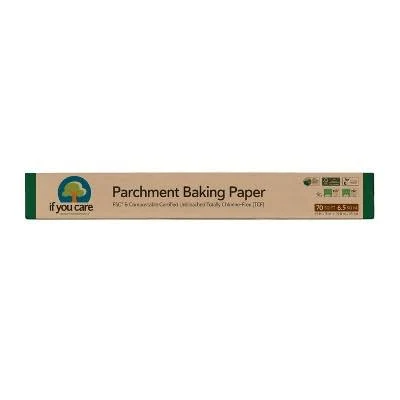
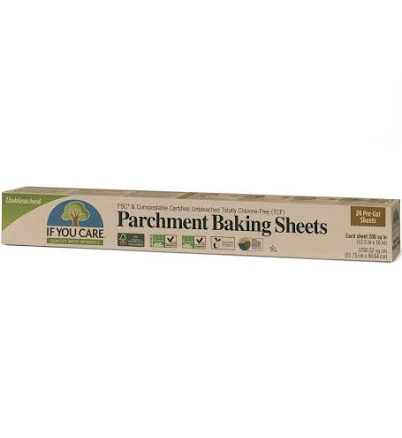
If You Care
If You Care Parchment Baking Paper
90/100 safety
Same rubric that flunked this product. The swap earned Excellent.
Still want this one anyway? Check the price on Amazon. We’d swap it.
Material
Silicone-coated paper (claimed vegetable-based, coating unspecified)
Brand disclosure
Brand is silent on PFAS
Lab data
No public lab test
You may also be interested in
Top-graded picks in the categories readers replace first, every one scored on the same rubric.

- polypropylene filter housing, carbon/sediment cartridge
- We found no PFAS statement from the brand
- Bacterial growth in spent cartridges
3 hazards checked on this product, all on its full breakdown.

Aquasure
Premier Series 75 GPD Under Sink Reverse Osmosis Water Filtration System
- RO membrane, carbon filters, stainless steel housing
- We found no PFAS statement from the brand
- Bacterial and microbial growth in housing and filters
4 hazards checked on this product, all on its full breakdown.

Avocado
Vegan Mattress
- organic cotton, natural latex, coconut coir, recycled steel coils
- The brand calls it PFAS-free, which we have not verified
- Heavy metals
2 hazards checked on this product, all on its full breakdown.
What Parchment Paper Genuine Food Safe is made of, ingredients and materials
The brand's parchment paper uses a silicone coating applied to kraft paper base. The brand claims the coating is vegetable-derived, but does not publicly disclose the specific chemical composition, cross-linking agents, or whether any fluorinated compounds are present in the coating formulation. Silicone coatings themselves are generally stable at moderate heat, but the adhesive layers and release agents between substrate and coating are not specified, creating uncertainty about migration risk at high temperatures or with fatty/acidic foods.
What’s concerning
Category baseline
The starting point for this type of product, before anything specific to this product is counted.
Vague safety claims only
Uses vague language ("eco-friendly", "clean") without a specific PFAS statement.
Waterproof / stain-resistant treatment
Water-repellent coating treatments have historically used PFAS.
Silicone coating migration/degradation
Silicone coatings are stable up to ~420-450°F, but degradation products and oligomers can migrate at high heat or with acidic/fatty foods. The brand does not disclose stabilizers, cross-linkers, or migration testing data for their specific formulation.
Undisclosed adhesive or release agents
The layers bonding the silicone coating to kraft paper are not disclosed. Low-migration adhesives are standard in food-contact papers, but absence of specification creates uncertainty about potential volatile organic compounds (VOCs) or plasticizer release.
Thermal decomposition of paper substrate
Kraft paper can release formaldehyde or other carbonyl compounds if charred or exposed to prolonged high heat. This is not specific to the brand but relevant if product is used above recommended temperature or in direct contact with flame.
Microplastic or coating particle shedding
General hazard for all silicone-coated papers, wear and tear after repeated use can shed silicone particles. Users report occasional flaking in older or overused sheets; The brand provides no durability or particle-shedding data.
PFAS
Marked separately in PFAS assessment (30/100 poor score). Brand silence on coating chemistry and lack of PFAS testing create reasonable suspicion that fluorinated processing aids or legacy Teflon-type coating/PFC contaminants may be present, though not confirmed.
Source, ATSDR ↗How is this PFAS grade calculated?
The brand's record and disclosure
The brand offers no detailed ingredient transparency on their parchment product website or packaging regarding coating chemistry, certifications, or PFAS testing status. The brand has not pursued third-party certifications (such as FDA compliance letters or independent PFAS testing) that would substantiate the vegetable-based claim. No public recalls or safety incidents are documented for this specific product, but the silence on coating formulation and the poor PFAS safety score (30/100) suggest the company has not prioritized chemical transparency in this category.
How it compares in its category
Most commercial parchment papers use either silicone or fluorocarbon (Teflon-type coating/PFC) coatings; The brand's silicone approach is mainstream but its refusal to disclose composition puts it behind competitors like If You Care or Regency who provide clearer ingredient or certification details. Non-coated or beeswax-lined alternatives (e.g., Abeego) avoid synthetic coatings entirely but cost more and perform differently. This product occupies the middle ground, cheaper than premium alternatives but less transparent than category leaders.
If you buy it
Keep oven temperature below 420°F to minimize silicone coating degradation and any potential migration. Avoid prolonged contact with high-fat foods (oils, butter, fatty meats) at the upper temperature range, as silicone can soften and release particles. Replace the sheet after 15-20 uses or if you observe visible discoloration, brittleness, or coating flaking. Store flat and dry; do not expose to direct sunlight for extended periods, as UV can accelerate polymer breakdown.
What is not known about PFAS in this product?
- Basis
- Model estimate, 45% confidence, not a lab result
- Lab test
- None on record for this exact product
- Brand statement
- has made none
Formulations change between production runs, so check the current label. How we grade.
What are the PFAS-free alternatives to Parchment Paper Genuine Vegetable Food Safe?
- silicone-coated parchment paper
- The brand calls it PFAS-free, which we have not verified
- Paper degradation and particulate shedding
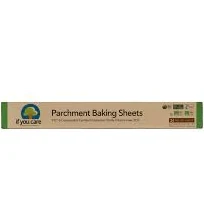
- unbleached paper with silicone coating
- The brand calls it PFAS-free, which we have not verified
- Silicone coating degradation at high heat
- bleached paper with silicone coating
- The brand calls it PFAS-free, which we have not verified
- Paper degradation and fragmentation
More parchment paper & baking liners grades
How we score, every product runs through the same public 0-100 rubric based on materials, coatings, brand disclosure, lab findings, and recalls. See the full methodology → Spotted a mistake? Report an error.