Big Agnes · Camping Tents & Tarps
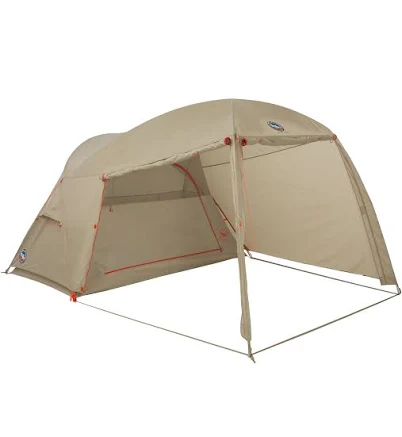
Big Agnes Wyoming Trail 2 Person Tent
Tent likely has water-repellent coating; Big Agnes does not disclose PFAS status.
Big Agnes Wyoming Trail 2 uses ripstop nylon with water-repellent treatment typical of outdoor tents, but the brand provides no transparency on PFAS use or alternatives. No third-party verification available.
Still want this one anyway? Check the price on Amazon. We’d swap it.
Material
ripstop nylon with water-repellent coating water-repellent coating
Brand disclosure
Brand is silent on PFAS
Lab data
No public lab test
You may also be interested in
Top-graded picks in the categories readers replace first, every one scored on the same rubric.

- polypropylene filter housing, carbon/sediment cartridge
- We found no PFAS statement from the brand
- Bacterial growth in spent cartridges
3 hazards checked on this product, all on its full breakdown.

Aquasure
Premier Series 75 GPD Under Sink Reverse Osmosis Water Filtration System
- RO membrane, carbon filters, stainless steel housing
- We found no PFAS statement from the brand
- Bacterial and microbial growth in housing and filters
4 hazards checked on this product, all on its full breakdown.

Avocado
Vegan Mattress
- organic cotton, natural latex, coconut coir, recycled steel coils
- The brand calls it PFAS-free, which we have not verified
- Heavy metals
2 hazards checked on this product, all on its full breakdown.
What Big Agnes Wyoming Trail 2 Person Tent is made of, ingredients and materials
The Wyoming Trail 2 uses ripstop nylon as primary fabric, a tightly woven polyamide that resists tearing and puncture. The water-repellent coating (water-repellent coating) coating applied to the nylon is the chemical concern, these coatings historically rely on PFAS compounds (PFAS "forever chemicals") to achieve water resistance, though some newer formulations use non-fluorinated alternatives. Ripstop nylon itself is inert and stable; the risk lies in the coating's composition and any off-gassing or leaching during manufacture, storage, or use.
What’s concerning
Waterproof / stain-resistant treatment
Water-repellent coating treatments have historically used PFAS.
Category baseline
The starting point for this type of product, before anything specific to this product is counted.
No PFAS disclosure
No public statement from the brand about PFAS in this product.
PFAS
Ripstop nylon tents almost always use fluorinated water-repellent coating treatments unless explicitly stated otherwise. Big Agnes does not disclose, so assume conventional PFAS-based formulation. Risk includes inhalation during manufacture/storage, leaching into soil/groundwater at end-of-life, and potential bioaccumulation.
Source, ATSDR ↗Coating degradation and secondary leaching
Water-repellent coating coatings on nylon degrade over 3-5 years of field use. As the coating breaks down, any PFAS or other fluorinated compounds can leach into stored items or contact skin more readily. Moisture, UV exposure, and temperature cycling accelerate this process.
What’s reassuring
Formaldehyde / VOCs
Ripstop nylon does not typically use formaldehyde-based resins for finishing; nylon is naturally stable. No public records of formaldehyde contamination in Big Agnes tents. This hazard is not established for this product category.
Source, ATSDR ↗Azo dyes
Big Agnes Wyoming Trail tents are typically earth-tone colors (gray, tan, green) that do not require high-risk azo dye chemistry. No recalls or reports of azo dye contamination in Big Agnes products. Unlikely hazard for this specific product line.
Polyester antimony
This tent uses nylon ripstop, not polyester. Antimony is a catalyst used in polyester production but not standard in nylon manufacturing. Not applicable to this product.
How is this PFAS grade calculated?
The brand's record and disclosure
Big Agnes has not publicly disclosed whether the Wyoming Trail 2 uses PFAS-based or PFAS-free water-repellent coating treatments. The company does not list PFAS sourcing, testing, or phase-out commitments on its website or in product documentation as of available public records. This silence is notable given that outdoor brands like Patagonia and The North Face have begun phasing to PFAS-free water-repellent coating or disclosing their use. Big Agnes does not hold specific third-party certifications (Bluesign, GOTS) that would mandate non-PFAS coatings.
How it compares in its category
Most budget and mid-range two-person camping tents use similar ripstop nylon with water-repellent coating coatings; this material is industry standard. Premium alternatives sometimes use proprietary non-fluorinated water repellent systems or Teflon-type coating-free silicone coatings, though these are typically more expensive. The Wyoming Trail 2 is competitively priced for its weight and durability, which usually means conventional water-repellent coating chemistry. Entry-level alternatives (Coleman, Ozark Trail) use identical or worse material treatments with less transparency.
If you buy it
Air out the tent in ventilated space for 24-48 hours after purchase to allow any volatile off-gassing from the water-repellent coating. Avoid heating or storing in direct sunlight for extended periods, as this can accelerate coating degradation and potential chemical release. Wash by hand with cool water and mild soap only; machine washing and high heat can damage the water-repellent coating layer and increase leaching risk. Plan to replace or re-coat the water-repellent coating treatment every 3-5 years depending on use frequency, as degradation compounds the hazard.
What is not known about PFAS in this product?
- Basis
- Model estimate, 45% confidence, not a lab result
- Lab test
- None on record for this exact product
- Brand statement
- Big Agnes has made none
Formulations change between production runs, so check the current label. How we grade.
More camping tents & tarps grades
How we score, every product runs through the same public 0-100 rubric based on materials, coatings, brand disclosure, lab findings, and recalls. See the full methodology → Spotted a mistake? Report an error.