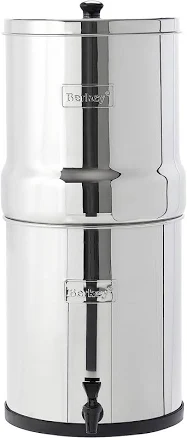
Big Berkey Gravity-Fed Stainless Steel Countertop Water Filter System 2.25 Gallon with 2 Authentic Black Berkey Elements BB9-2 Filters
Lower PFAS concern for the vessel itself; filter element composition opacity prevents high confidence.
Big Berkey's stainless steel housing poses minimal PFAS risk, and gravity-fed carbon filtration typically does not introduce PFAS. However, the brand discloses nothing about PFAS in their Black Berkey filter media formulation, and no third-party lab data is available.
The better-graded swap
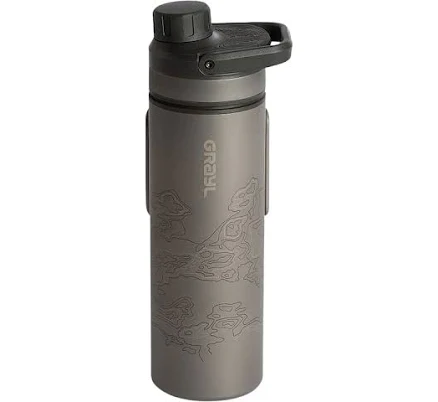
Grayl
Grayl UltraPress Titanium Purifier Bottle
95/100 safety
Same rubric that flunked this product. The swap earned Excellent.
Still want this one anyway? Check the price on Amazon. We’d swap it.
Material
stainless steel body; activated carbon/specialty media filter elements (composition unspecified)
Brand disclosure
Brand is silent on PFAS
Lab data
No public lab test
What Big Berkey Gravity-Fed Stainless Steel is made of, ingredients and materials
The outer vessel is food-grade stainless steel, which does not leach metals or off-gas under normal use and is chemically stable during water storage. The filter elements are activated carbon-based with proprietary 'specialty media' composition that Big Berkey does not publicly disclose in detail. This opacity prevents independent verification of what compounds the filters actually remove or whether the media itself can shed particles or release compounds into filtered water over time.
What’s concerning
No PFAS disclosure
No public statement from the brand about PFAS in this product.
Bacterial growth in filter media if maintenance intervals are missed
Gravity filters with activated carbon can harbor pathogens if water is allowed to stagnate in the housing or if filter elements are used beyond rated capacity. Big Berkey provides no published data on bacterial challenge testing or biofilm formation under real-world use conditions.
Contaminant leaching from undisclosed filter media composition
The specialty media in Big Berkey filters is proprietary and not publicly detailed. Without disclosure of binders, additives, or carbon source, the potential for trace compound leaching into the filtered water cannot be independently assessed.
Stainless steel housing corrosion and mineral scale buildup
Hard water minerals or acidic source water can corrode seals and accumulate scale over time, potentially degrading the integrity of the vessel. No maintenance protocol from Big Berkey addresses mineral or lime deposits in the housing or outlet spigot.
What’s reassuring
Base material not linked to PFAS
The main material recorded for this product is not one associated with PFAS.
Microplastics
No published data from Big Berkey or independent testing on particle shedding from activated carbon elements. Standard activated carbon can shed fine particles if media degrades; the absence of documentation does not confirm this does not occur.
Source, EPA ↗PFAS
Big Berkey makes broad claims about contaminant removal but publishes no NSF/WQA test reports. Gravity-fed systems with only activated carbon typically do not remove PFAS, viruses, or pharmaceutical residues to the degree claimed by the brand; users should verify claims independently against published water quality data for their source.
Source, ATSDR ↗The full breakdown
The brand's record and disclosure
Big Berkey does not publish third-party test results, material safety data sheets for filter media, or certifications (such as NSF or WQA) for the complete system. The brand has faced recurring criticism from water treatment experts and regulatory bodies (including FDA) for unsubstantiated health claims and lack of transparent testing protocols. No major recalls of bacterial contamination or leaching have been documented in widely available records, but the absence of disclosure does not confirm safety.
How it compares in its category
Gravity filters like the Big Berkey are simpler and lower-cost than pitcher or faucet filters, but they lack the NSF/WQA certification standard that most competitors (Aquaphor, LifeStraw, Brita) maintain for their media and housing. Big Berkey's price point and brand loyalty suggest strong consumer trust, but this system is less independently vetted than certified alternatives. Users of gravity systems generally report satisfaction with taste improvement, though contaminant removal claims cannot be verified without published test data.
If you buy it
Replace filter elements every 6 months or after processing 100 gallons of water, whichever comes first, to minimize bacterial regrowth inside exhausted media. Empty and refill the upper chamber daily or every 2-3 days to prevent stagnant water and algae or mold growth in the carbon bed. Do not rely on this system alone for microbiological safety if your source water is contaminated or untreated; boiling or other disinfection may be necessary. Store in a cool, dark location away from direct sunlight and check the stainless steel seals annually for corrosion or mineral buildup.
What we don’t know
- Basis
- Model estimate, 62% confidence, not a lab result
- Lab test
- None on record for this exact product
- Brand statement
- Big Berkey has made none
Formulations change between production runs, so check the current label. How we grade.
Better-graded alternatives in Water Filters
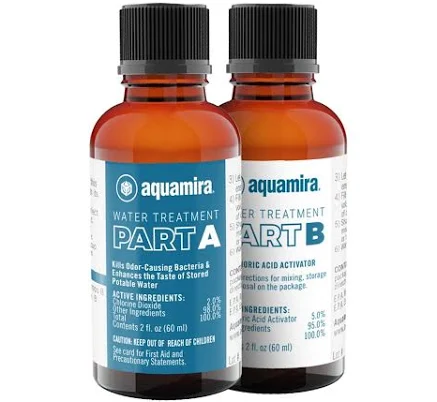
Aquamira
Water Storage Treatment 2 oz Glass Bottles 60 gallons Purification
- glass bottles, sodium dichloroisocyanurate treatment chemical
- We found no PFAS statement from the brand
- Chemical overdose or misuse
5 hazards checked on this product. See all of them.
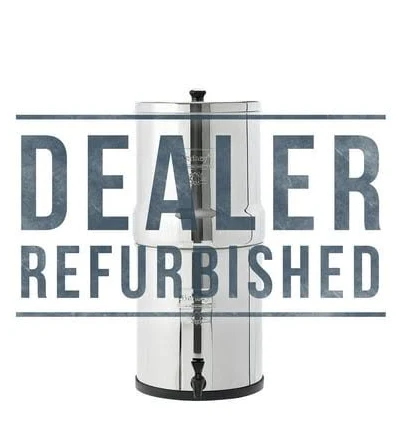
Big Berkey
Empty Housing with NO Filters Included
- Stainless steel housing and spigot
- We found no PFAS statement from the brand
- Bacterial growth and biofilm if filters not replaced
5 hazards checked on this product. See all of them.
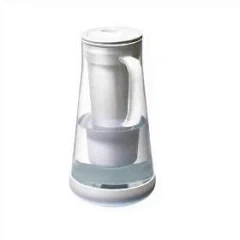
LifeStraw
Home Glass Water Filter Pitcher
- Borosilicate glass pitcher, replaceable activated-carbon filter cartridge
- Bacterial growth in filter cartridge if unmaintained
5 hazards checked on this product. See all of them.
More water filters grades
How we score, every product runs through the same public 0-100 rubric based on materials, coatings, brand disclosure, lab findings, and recalls. See the full methodology → Spotted a mistake? Report an error.