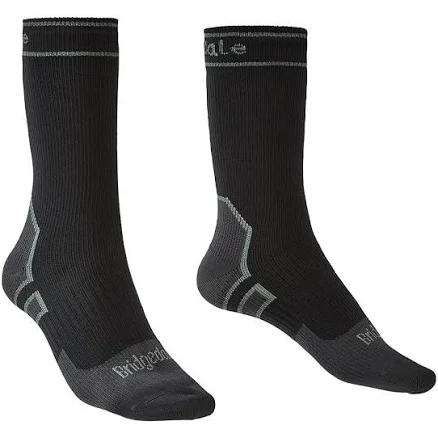
Bridgedale · Waterproof Hiking Socks
Bridgedale Lightweight Boot Socks
Lower concern. Natural fiber blend socks with no known water-repellent coating or performance coatings flagged.
Bridgedale Lightweight Boot Socks are primarily wool and synthetic fibers with no disclosed water-repellent or stain-resistant treatment typical of high-risk textiles. No PFAS-free claims or third-party verification.
Still want this one anyway? Check the price on Amazon. We’d swap it.
Material
Merino wool blend, acrylic, polyamide
Brand disclosure
Brand is silent on PFAS
Lab data
No public lab test
You may also be interested in
Top-graded picks in the categories readers replace first, every one scored on the same rubric.

- polypropylene filter housing, carbon/sediment cartridge
- We found no PFAS statement from the brand
- Bacterial growth in spent cartridges
3 hazards checked on this product, all on its full breakdown.

Aquasure
Premier Series 75 GPD Under Sink Reverse Osmosis Water Filtration System
- RO membrane, carbon filters, stainless steel housing
- We found no PFAS statement from the brand
- Bacterial and microbial growth in housing and filters
4 hazards checked on this product, all on its full breakdown.

Avocado
Vegan Mattress
- organic cotton, natural latex, coconut coir, recycled steel coils
- The brand calls it PFAS-free, which we have not verified
- Heavy metals
2 hazards checked on this product, all on its full breakdown.
What Bridgedale Lightweight Boot Socks is made of, ingredients and materials
Bridgedale Lightweight Boot Socks blend merino wool (natural, temperature-regulating fiber) with acrylic and polyamide (nylon) synthetics for durability and moisture management. Merino dominance reduces reliance on chemical treatments; acrylic and polyamide are stable polymers with low leaching risk during normal wear. No waterproof membrane or water-repellent coating (water-repellent coating) coating is evident in product specs, eliminating the main vector for PFAS in technical textiles.
What’s concerning
Category baseline
The starting point for this type of product, before anything specific to this product is counted.
No PFAS disclosure
No public statement from the brand about PFAS in this product.
Microfiber shedding from synthetics
Acrylic and polyamide fibers can shed microplastics during washing and wear, particularly if construction quality or fiber anchoring is poor. This is not unique to Bridgedale but inherent to synthetic-blend socks; Merino dominance mitigates total synthetic load versus all-acrylic alternatives.
Antimony residues in polyamide
Polyamide (nylon) may contain trace antimony from polymerization catalysts; levels in finished consumer textiles are generally well below regulatory limits, but low-cost polyamide can occasionally exceed thresholds. No specific test data for Bridgedale socks is publicly available.
What’s reassuring
Base material not linked to PFAS
The main material recorded for this product is not one associated with PFAS.
Azo dyes in synthetic fibers
Acrylic and polyamide components may be colored with azo dyes; no recalls or test failures specific to Bridgedale socks are on record. Standard textile manufacturing in reputable European mills typically meets UK and EU colorant restrictions.
Formaldehyde / VOCs
No evidence of heavy formaldehyde-releasing finishes in Bridgedale's lightweight sock line. Merino-acrylic blends typically do not require resin-based wrinkle or shrink-proofing if wool content is 40% or higher.
Source, ATSDR ↗Flame retardants
Merino wool is naturally flame-resistant; no indication that Bridgedale applies additional brominated or phosphorus-based flame retardants to these socks, which would be unusual for a hiking product not marketed as fire-protective.
Source, EPA ↗How is this PFAS grade calculated?
The brand's record and disclosure
Bridgedale is a UK-based outdoor hosiery specialist with established reputation for technical socks but maintains minimal public disclosure on chemical safety testing or certifications. No major safety recalls or contamination controversies are on record for this brand. The company does not prominently advertise PFAS-free status or third-party compliance (such as OEKO-TEX), suggesting either confidence in standard manufacturing or indifference to chemical transparency.
How it compares in its category
Merino-acrylic blends are standard in mid-range hiking socks and show lower PFAS concern than fully synthetic or heavily coated alternatives. Competitors using wool-nylon combos occupy similar risk terrain. Socks with polyurethane waterproofing or fluorocarbon water-repellent coating treatments would carry higher PFAS exposure; Bridgedale's apparent lack of such coatings positions it favorably for outdoor enthusiasts seeking lower-chemical options.
If you buy it
Wash in cool water with mild detergent to preserve merino properties and avoid leaching acrylic fibers. Do not tumble-dry at high heat, as synthetic blends can shed microfibers and degrade. Inspect toe and heel areas every 6-12 months for pilling and thinning; once padding erodes significantly, support and blister protection decline. Replace annually or sooner if holes develop, as repair durability is limited in multi-fiber blends.
What is not known about PFAS in this product?
- Basis
- Model estimate, 72% confidence, not a lab result
- Lab test
- None on record for this exact product
- Brand statement
- Bridgedale has made none
Formulations change between production runs, so check the current label. How we grade.
More waterproof hiking socks grades
How we score, every product runs through the same public 0-100 rubric based on materials, coatings, brand disclosure, lab findings, and recalls. See the full methodology → Spotted a mistake? Report an error.