Smartwool · Waterproof Hiking Socks
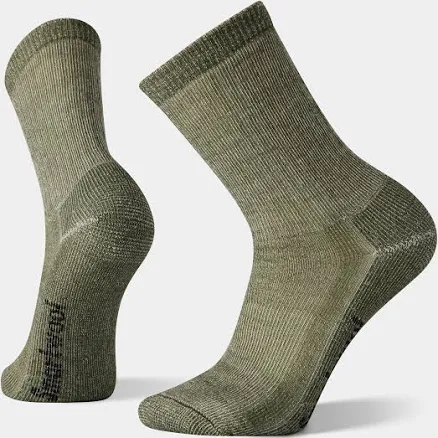
Smartwool Men's Hike Classic Edition Full Cushion Crew Socks
Lower PFAS concern. Plain wool socks with no disclosed treatments, but verify fiber content if it matters.
Smartwool's Hike Classic socks are primarily merino wool, a natural fiber with no inherent PFAS risk. The brand doesn't disclose any water-repellent coating, stain-resistant, or Teflon-family coating treatments.
Still want this one anyway? Check the price on Amazon. We’d swap it.
Material
Merino wool blend (primary fiber); no reported water-repellent coating (water-repellent coating) or stain treatment disclosed
Brand disclosure
Brand is silent on PFAS
Lab data
No public lab test
You may also be interested in
Top-graded picks in the categories readers replace first, every one scored on the same rubric.

- polypropylene filter housing, carbon/sediment cartridge
- We found no PFAS statement from the brand
- Bacterial growth in spent cartridges
3 hazards checked on this product, all on its full breakdown.

Aquasure
Premier Series 75 GPD Under Sink Reverse Osmosis Water Filtration System
- RO membrane, carbon filters, stainless steel housing
- We found no PFAS statement from the brand
- Bacterial and microbial growth in housing and filters
4 hazards checked on this product, all on its full breakdown.

Avocado
Vegan Mattress
- organic cotton, natural latex, coconut coir, recycled steel coils
- The brand calls it PFAS-free, which we have not verified
- Heavy metals
2 hazards checked on this product, all on its full breakdown.
What Smartwool Men's Hike Classic Crew Socks is made of, ingredients and materials
Smartwool Hike Classic socks are primarily merino wool, a protein fiber naturally resistant to odor and moisture without chemical coatings. The blend includes synthetic fibers (typically nylon and elastane for durability and stretch) in smaller proportions. No water-repellent coating (water-repellent coating) or stain-guard treatments are disclosed, meaning the sock relies on wool's innate water-shedding crimp structure rather than applied fluorinated or other chemical coatings. This material composition is inherently low-risk for chemical leaching or off-gassing.
What’s concerning
Category baseline
The starting point for this type of product, before anything specific to this product is counted.
No PFAS disclosure
No public statement from the brand about PFAS in this product.
Formaldehyde / VOCs
The nylon and elastane blend components may undergo standard finishing with trace formaldehyde-containing resins during manufacture, a common industry practice. No specific finish disclosure or independent testing on this product is publicly available; risk is typical for synthetic apparel blends, not elevated.
Source, ATSDR ↗Elastane (spandex) degradation and leaching
Elastane in blended socks can degrade with heat, chlorine, or prolonged UV exposure, potentially releasing oligomers or breakdown products. Risk is low with proper care (warm wash, air dry, no bleach) and typical for all elastane-blend socks; not specific to Smartwool.
What’s reassuring
Base material not linked to PFAS
The main material recorded for this product is not one associated with PFAS.
Azo dyes
No public record of azo-dye concerns in Smartwool merino products. Merino socks are typically dyed with acid or fiber-reactive dyes; none of the standard Smartwool color ranges carry known azo-dye restrictions or warnings.
water-repellent coating (water-repellent coating) chemical residue
Smartwool does not advertise water-repellent coating treatment on the Classic Edition, so PFAS-based or other persistent hydrophobic chemicals are unlikely present. Untreated merino relies on fiber structure alone, eliminating this hazard class.
Heavy metals
Smartwool products are not known to carry heavy-metal contamination in dyes. Merino and nylon dyes used in mainstream outdoor apparel are subject to EU textile standards and similar regulations; no recalls or test failures on record for this brand.
Source, FDA ↗How is this PFAS grade calculated?
The brand's record and disclosure
Smartwool, owned by Timberland Company, maintains transparent material labeling and has published sustainability commitments including responsible wool sourcing. The brand does not advertise chemical treatments on this Classic line, and no established recalls or safety controversies linked to this product line are on public record. Smartwool's silence on PFAS stance is notable but not unusual for untreated wool products; the absence of water-repellent coating treatment claim suggests lower likelihood of fluorinated compounds.
How it compares in its category
Most merino wool hiking socks at this price point either carry no chemical treatment (like this one) or use PFAS-based water-repellent coating finishes for water beading. Untreated merino socks are positioned as a lower-concern, lower-chemical option, though they may require more frequent washing and dry slightly slower than treated alternatives. Smartwool's choice to omit disclosed treatments aligns with consumer preference for minimal chemical burden in apparel worn directly on skin.
If you buy it
Wash in warm water with mild detergent; avoid fabric softeners which can degrade wool's moisture-wicking. Dry flat or hang-dry to preserve elastane elasticity and prevent shrinkage. Replace when heel or toe areas pill excessively or cushioning compresses noticeably (typically 12-24 months with regular hiking use). Do not expose to sustained heat above 140F (60C) as merino can felt and synthetic blends may degrade.
What is not known about PFAS in this product?
- Basis
- Model estimate, 78% confidence, not a lab result
- Lab test
- None on record for this exact product
- Brand statement
- Smartwool has made none
Formulations change between production runs, so check the current label. How we grade.
More waterproof hiking socks grades
How we score, every product runs through the same public 0-100 rubric based on materials, coatings, brand disclosure, lab findings, and recalls. See the full methodology → Spotted a mistake? Report an error.