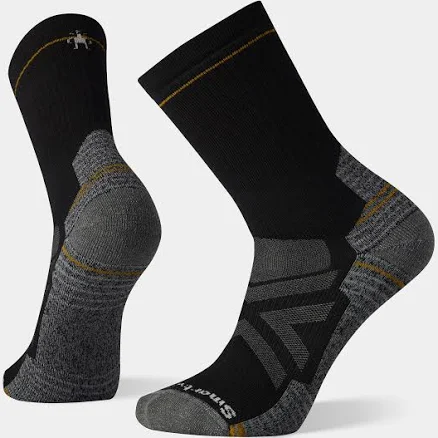
Smartwool · Waterproof Hiking Socks
Smartwool Men's Hike Full Cushion Crew Socks
Lower PFAS concern. Natural fiber socks unlikely to need water-repellent coating. Smartwool's lack of disclosure leaves room for uncertainty.
Smartwool Hike socks are primarily merino wool with synthetic reinforcement, materials not inherently linked to PFAS use. Hiking socks typically don't need water-repellent finishes.
Still want this one anyway? Check the price on Amazon. We’d swap it.
Material
Merino wool blend (merino wool, nylon, elastane)
Brand disclosure
Brand is silent on PFAS
Lab data
No public lab test
You may also be interested in
Top-graded picks in the categories readers replace first, every one scored on the same rubric.

- polypropylene filter housing, carbon/sediment cartridge
- We found no PFAS statement from the brand
- Bacterial growth in spent cartridges
3 hazards checked on this product, all on its full breakdown.

Aquasure
Premier Series 75 GPD Under Sink Reverse Osmosis Water Filtration System
- RO membrane, carbon filters, stainless steel housing
- We found no PFAS statement from the brand
- Bacterial and microbial growth in housing and filters
4 hazards checked on this product, all on its full breakdown.

Avocado
Vegan Mattress
- organic cotton, natural latex, coconut coir, recycled steel coils
- The brand calls it PFAS-free, which we have not verified
- Heavy metals
2 hazards checked on this product, all on its full breakdown.
What Smartwool Men's Hike Full Crew Socks is made of, ingredients and materials
Smartwool Hike socks are a blend of merino wool, nylon, and elastane. Merino wool is a natural protein fiber that undergoes scouring and dyeing but typically avoids heavy chemical treatment compared to synthetics. The nylon provides durability and shape retention, while elastane adds stretch. This blend minimizes reliance on synthetic water repellency coatings (water-repellent coating) that often contain PFAS, since wool naturally manages moisture.
What’s concerning
Category baseline
The starting point for this type of product, before anything specific to this product is counted.
No PFAS disclosure
No public statement from the brand about PFAS in this product.
Azo dyes and colorant allergens
Wool socks are dyed during manufacturing; some azo dyes can release aromatic amines under sweat or friction. Smartwool does not publish dye chemistry. Risk is low for intact socks worn on skin, but individuals with sensitive skin or dye allergies should test fit on a small area first.
Elastane (spandex) degradation and leaching
Elastane in the blend can degrade over time with heat, sweat, and UV exposure, potentially shedding microfibers and trace oligomers. This is normal wear, not a manufacturing defect, but replacement of worn socks limits cumulative exposure.
Microbial growth if moisture-trapped
While merino wool naturally resists odor, improper storage (wet or damp socks in sealed containers) can promote mold or bacteria. This is a use issue, not a product defect, and is prevented by air-drying before storage.
What’s reassuring
Base material not linked to PFAS
The main material recorded for this product is not one associated with PFAS.
Formaldehyde / VOCs
No established record of formaldehyde-based finishes in Smartwool merino socks. Wool typically requires minimal resin treatment compared to cotton. No recalls or complaints document this hazard in this product.
Source, ATSDR ↗Antimony in synthetic fibers
Antimony is used as a catalyst in polyester and nylon synthesis but remains embedded in the polymer at trace levels under normal use. Smartwool's nylon content is modest (blend, not 100% nylon), and no data suggests leaching risk from socks worn on feet.
How is this PFAS grade calculated?
The brand's record and disclosure
Smartwool has not publicly disclosed detailed chemical content or PFAS testing for this product line. The brand is owned by Timberland (VF Corporation) and operates under general apparel industry standards but lacks specific transparency statements on hazardous substances in socks. No major recalls or safety complaints are on record for Smartwool socks. Absence of disclosure does not indicate a problem, but limits independent verification of manufacturing practices.
How it compares in its category
Merino wool hiking socks occupy a middle ground, they avoid the heavy synthetic coatings of fully waterproof technical socks (which often use PFAS-heavy water-repellent coating), but offer better moisture management than basic cotton alternatives. Competing brands like Darn Tough and Icebreaker use similar material compositions without published hazard concerns. Smartwool's position is broadly standard for premium wool socks.
If you buy it
Wash in cool water with mild detergent and avoid fabric softeners, which degrade wool and can leave chemical residue. Do not bleach or tumble dry at high heat; air drying preserves fiber integrity and prevents potential off-gassing of trapped dyes or finishes. Replace when elastic loses tension or cushioning compresses unevenly, typically after 1 to 2 years of regular use. Store dry to prevent mildew and microbial growth in the fiber.
What is not known about PFAS in this product?
- Basis
- Model estimate, 72% confidence, not a lab result
- Lab test
- None on record for this exact product
- Brand statement
- Smartwool has made none
Formulations change between production runs, so check the current label. How we grade.
More waterproof hiking socks grades
How we score, every product runs through the same public 0-100 rubric based on materials, coatings, brand disclosure, lab findings, and recalls. See the full methodology → Spotted a mistake? Report an error.