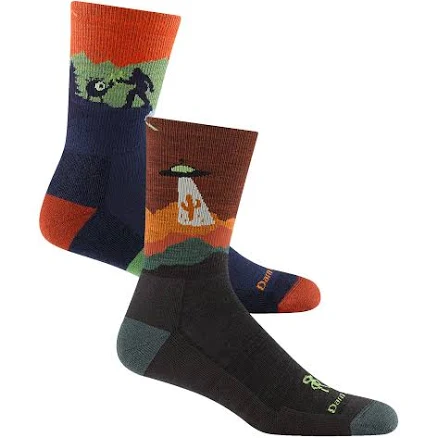
Darn Tough · Waterproof Hiking Socks
Darn Tough Men's Weird and Wild Hiking 2-Pack
Lower concern. Natural-fiber hiking socks unlikely to require PFAS. No public disclosure from Darn Tough.
Darn Tough's wool hiking socks are primarily merino wool with synthetic reinforcement, materials not typically associated with intentional PFAS use. The brand makes no public claims about PFAS avoidance.
Still want this one anyway? Check the price on Amazon. We’d swap it.
Material
merino wool blend, nylon
Brand disclosure
Brand is silent on PFAS
Lab data
No public lab test
You may also be interested in
Top-graded picks in the categories readers replace first, every one scored on the same rubric.

- polypropylene filter housing, carbon/sediment cartridge
- We found no PFAS statement from the brand
- Bacterial growth in spent cartridges
3 hazards checked on this product, all on its full breakdown.

Aquasure
Premier Series 75 GPD Under Sink Reverse Osmosis Water Filtration System
- RO membrane, carbon filters, stainless steel housing
- We found no PFAS statement from the brand
- Bacterial and microbial growth in housing and filters
4 hazards checked on this product, all on its full breakdown.

Avocado
Vegan Mattress
- organic cotton, natural latex, coconut coir, recycled steel coils
- The brand calls it PFAS-free, which we have not verified
- Heavy metals
2 hazards checked on this product, all on its full breakdown.
What Darn Tough Men's Weird Hiking 2-Pack is made of, ingredients and materials
Darn Tough's hiking socks are a merino wool and nylon blend, a common pairing in performance socks because merino provides natural temperature regulation and moisture management while nylon adds durability and stretch. Merino wool is minimally processed compared to synthetics and carries low chemical risk from the fiber itself. The nylon component is a standard polymer with well-understood safety profile when used in apparel; the risk concern here would be dyes or finishes applied during manufacturing, not the base polymer.
What’s concerning
Category baseline
The starting point for this type of product, before anything specific to this product is counted.
No PFAS disclosure
No public statement from the brand about PFAS in this product.
Allergen fragrance or dyes migrating to skin
Merino wool can cause itching in a small percentage of sensitive individuals due to fiber diameter, not chemical residue. The Weird and Wild line uses synthetic dyes for pattern; risk of dye transfer or allergic contact is low but possible in individuals with sensitive skin, especially if socks are unwashed before first wear.
Microfiber shedding from nylon component
Nylon blends shed microfibers during washing, though merino wool reduces overall shed rate compared to 100% synthetic socks. This is an environmental concern rather than direct consumer safety hazard, but relevant for long-term use awareness.
What’s reassuring
Base material not linked to PFAS
The main material recorded for this product is not one associated with PFAS.
Azo dyes (synthetic color fastness)
Merino wool and nylon both accept dyes readily; no specific azo dye incidents reported for Darn Tough. Brand does not disclose dye chemistry, but US manufacturing and domestic market focus suggest compliance with CPSIA and OEKO-TEX alignment typical of Vermont-based producers.
Formaldehyde / VOCs
Merino wool socks typically require minimal formaldehyde-based finishes because wool is naturally resilient. Nylon blends in athletic socks sometimes use resin treatments for shape retention, but no documentation of such use in Darn Tough socks is available. Industry practice for premium US socks favors mechanical finishing over chemical.
Source, ATSDR ↗Antimony in synthetic fibers
Antimony is occasionally used as a catalyst in polyester production. Nylon uses different catalysts and is not a typical source of antimony contamination. No recalls or testing evidence implicates Darn Tough socks in this hazard.
How is this PFAS grade calculated?
The brand's record and disclosure
Darn Tough is a US-based company with a strong reputation for transparency about materials and manufacturing. The brand publishes detailed fiber content and openly discusses construction methods (e.g., linking techniques, reinforcement zones). No major safety recalls, formaldehyde incidents, or azo dye controversies are on record for Darn Tough socks. The company does not publicly disclose water-treatment chemicals or finishing processes in detail, which is typical for the sock industry but limits full verification.
How it compares in its category
Merino wool socks may have lower concern than wholly synthetic alternatives because wool typically requires fewer synthetic finishing chemicals than pure polyester or acrylic. Darn Tough's US manufacturing (Vermont) and quality control standards exceed typical offshore sock production, reducing risk of unregulated chemical use. Compared to budget wool-blend socks from less transparent brands, Darn Tough offers significantly better traceability and disclosure.
If you buy it
Wash in cool water with mild detergent; high heat can damage nylon fibers and reduce performance. Air dry to preserve elasticity and avoid dryer damage. Replace when cushioning compresses or holes appear in high-wear zones (heel, ball of foot); well-made merino socks typically last 12-24 months with proper care. No special precautions needed beyond standard sock laundering; merino is skin-safe for the vast majority of users.
What is not known about PFAS in this product?
- Basis
- Model estimate, 72% confidence, not a lab result
- Lab test
- None on record for this exact product
- Brand statement
- Darn Tough has made none
Formulations change between production runs, so check the current label. How we grade.
More waterproof hiking socks grades
How we score, every product runs through the same public 0-100 rubric based on materials, coatings, brand disclosure, lab findings, and recalls. See the full methodology → Spotted a mistake? Report an error.