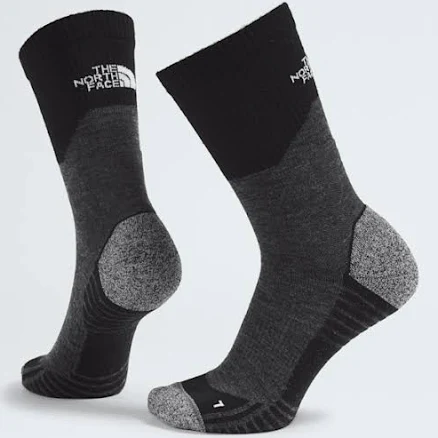
The North Face · Waterproof Hiking Socks
The North Face Hiking Crew Socks
Lower concern, standard socks aren't typical PFAS application areas, but no transparency from brand.
Merino wool and standard synthetics without known waterproof coatings. The North Face provides no PFAS disclosure, though socks themselves are lower-risk products than treated outerwear.
Still want this one anyway? Check the price on Amazon. We’d swap it.
Material
Merino wool blend / synthetic fibers (polyester, nylon)
Lab data
No public lab test
You may also be interested in
Top-graded picks in the categories readers replace first, every one scored on the same rubric.

- polypropylene filter housing, carbon/sediment cartridge
- We found no PFAS statement from the brand
- Bacterial growth in spent cartridges
3 hazards checked on this product, all on its full breakdown.

Aquasure
Premier Series 75 GPD Under Sink Reverse Osmosis Water Filtration System
- RO membrane, carbon filters, stainless steel housing
- We found no PFAS statement from the brand
- Bacterial and microbial growth in housing and filters
4 hazards checked on this product, all on its full breakdown.

Avocado
Vegan Mattress
- organic cotton, natural latex, coconut coir, recycled steel coils
- The brand calls it PFAS-free, which we have not verified
- Heavy metals
2 hazards checked on this product, all on its full breakdown.
What The North Face Hiking Crew Socks is made of, ingredients and materials
The North Face Hiking Crew Socks blend merino wool (natural protein fiber) with polyester and nylon synthetics for durability and moisture management. Merino wool itself is minimally processed compared to synthetic-only socks and resists microbial growth without antimicrobial chemical coatings. The polyester and nylon components are standard textile fibers; their safety depends on dyeing and finishing processes applied during manufacturing.
What’s concerning
Category baseline
The starting point for this type of product, before anything specific to this product is counted.
No PFAS disclosure
No public statement from the brand about PFAS in this product.
Formaldehyde / VOCs
Polyester and nylon blends may be treated with formaldehyde-based resins for wrinkle resistance or shrink control. The North Face does not disclose finishing chemistry; off-gassing is generally low in socks worn directly on skin at low temperatures, but new garments occasionally emit detectable odor.
Source, ATSDR ↗Microplastics
All polyester and nylon textiles shed microplastics during washing; a merino wool blend sheds less than pure synthetic socks but still contributes microplastics to wastewater. This is a use-phase environmental concern rather than a direct health hazard to the wearer.
Source, EPA ↗Skin sensitization to residual dyes or lanolin (wool component)
Rare cases of contact dermatitis from merino wool socks occur in individuals with wool sensitivity or eczema; lanolin (natural wool fat) can irritate sensitive skin if not thoroughly cleaned. Pre-wash before wearing if you have known textile sensitivities.
What’s reassuring
Base material not linked to PFAS
The main material recorded for this product is not one associated with PFAS.
Heavy metals
No recalls or testing reports documenting azo dye contamination or cadmium/lead mordants in The North Face socks. Standard polyester and nylon dyeing at major manufacturers typically meets US safety standards, but brand provides no public testing data to confirm.
Source, FDA ↗Antimicrobial chemical coatings on synthetic portions
No public disclosure of silver ion, zinc pyrithione, or triclosan treatments on this sock line. Merino wool's natural antimicrobial properties may reduce need for additives, but brand documentation is absent.
How is this PFAS grade calculated?
The brand's record and disclosure
The North Face has no publicly documented recalls or safety violations specifically for socks or hosiery. The brand does not publicly disclose detailed chemical composition or dyeing standards for socks on product pages or sustainability reports. No independent testing or third-party certifications (e.g., OEKO-TEX, bluesign) have been reported for this specific sock line, limiting transparency on heavy metal dyes or formaldehyde finish treatments.
How it compares in its category
Merino wool blends show lower concern than 100% synthetic or treated acrylic socks because wool's natural properties may reduce reliance on antimicrobial chemical additives. However, this product lacks visible eco or safety certifications that competitors like Smartwool or Icebreaker sometimes advertise. Standard polyester/nylon hiking socks from major brands rarely carry documented chemical hazards; The North Face sits in the typical safety middle ground for mass-produced outdoor socks.
If you buy it
Wash socks in cool to warm water (not hot) before first wear to reduce any residual dyes or finishes. Machine wash with mild detergent and air dry to preserve elastic and fiber integrity; avoid high heat dryers. Replace when elastic fails or holes appear, typically after 30-50 washes for quality hiking socks. Store in a dry place to prevent mold growth in the natural wool component.
What is not known about PFAS in this product?
- Basis
- Model estimate, 72% confidence, not a lab result
- Lab test
- None on record for this exact product
- Brand statement
- The North Face has made a specific claim
Formulations change between production runs, so check the current label. How we grade.
More waterproof hiking socks grades
How we score, every product runs through the same public 0-100 rubric based on materials, coatings, brand disclosure, lab findings, and recalls. See the full methodology → Spotted a mistake? Report an error.