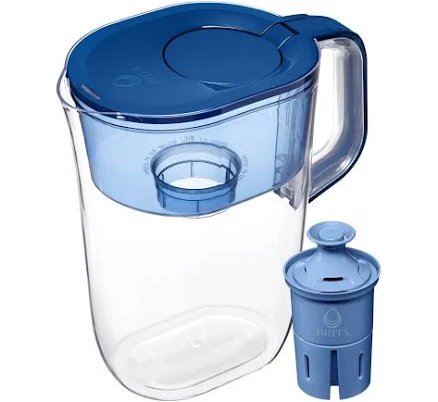
Brita 10-Cup Tahoe Pitcher with Elite Filter
Standard carbon filter poses minimal PFAS risk, though Brita hasn't disclosed PFAS testing.
This Tahoe pitcher combines BPA-free plastic with an activated carbon filter and does not use Teflon-family coating-based coatings. Brita has not published PFAS test results or made public PFAS commitments.
We flunk more products than we pass. This one earned its grade. How we grade
Material
BPA-free plastic pitcher, activated carbon filter cartridge
Lab data
No public lab test
You may also be interested in
Top-graded picks in the categories readers replace first, every one scored on the same rubric.

- polypropylene filter housing, carbon/sediment cartridge
- We found no PFAS statement from the brand
- Bacterial growth in spent cartridges
3 hazards checked on this product, all on its full breakdown.

Aquasure
Premier Series 75 GPD Under Sink Reverse Osmosis Water Filtration System
- RO membrane, carbon filters, stainless steel housing
- We found no PFAS statement from the brand
- Bacterial and microbial growth in housing and filters
4 hazards checked on this product, all on its full breakdown.

Avocado
Vegan Mattress
- organic cotton, natural latex, coconut coir, recycled steel coils
- The brand calls it PFAS-free, which we have not verified
- Heavy metals
2 hazards checked on this product, all on its full breakdown.
What Brita 10-Cup Tahoe Pitcher Elite Filter is made of, ingredients and materials
The Tahoe pitcher body is BPA-free plastic (typically copolyester or similar food-grade polymer), which avoids the hormone-disruption concerns tied to BPA. The filter cartridge is activated carbon (coconut or coal-based) with ion-exchange resin designed to reduce chlorine, sediment, and some organic compounds. Activated carbon does not leach harmful substances into water under normal use; the resin is inert when dry and properly encapsulated.
What’s concerning
No PFAS disclosure
No public statement from the brand about PFAS in this product.
Bacterial growth in filter cartridge
If cartridges are not replaced on schedule or pitcher sits unused for extended periods, the moist carbon bed can become a low-level bacterial habitat. Brita cartridges include antimicrobial treatment, but this does not eliminate the risk if maintenance is neglected.
Activated carbon dust or particle shedding
Poorly manufactured or damaged cartridges may shed fine carbon particles into filtered water, though this is cosmetic rather than toxic. Rinsing the cartridge before first use reduces this risk significantly.
What’s reassuring
Base material not linked to PFAS
The main material recorded for this product is not one associated with PFAS.
Plastic housing leachates
The BPA-free plastic (copolyester or polyester) used in the Tahoe pitcher has no established record of leaching endocrine disruptors, phthalates, or other toxins under normal kitchen use. No published testing by Brita or independent labs has identified leachates from this specific product.
Filter cartridge housing material stability
The cartridge housing (typically polypropylene or polyethylene) is not known to degrade or leach under normal water-filtration conditions. Brita cartridges are designed for single-use and disposal, minimizing time for any potential breakdown.
Ion-exchange resin leaching
The resin beads in Brita cartridges are encapsulated and inert when wet. No documented cases of resin leaching or contamination into water have emerged for Brita pitcher filters under normal use.
How is this PFAS grade calculated?
The brand's record and disclosure
Brita has not published specific PFAS testing or removal claims for the Tahoe line. The company maintains NSF/ANSI Standard 42 certification for taste/odor reduction, a third-party validation of filter performance, but does not voluntarily disclose heavy metals, BPA, or phthalate testing of the pitcher housing itself. No product recalls or contamination incidents involving the 10-Cup Tahoe pitcher are on record in public databases.
How it compares in its category
The Tahoe sits in Brita's mid-tier pitcher line. It performs similarly to competitor offerings (PUR, ZeroWater) in chlorine and sediment reduction but does not claim removal of PFAS, pharmaceuticals, or fluoride; ZeroWater's ion-exchange model removes more dissolved solids but requires more frequent cartridge changes. The BPA-free plastic housing is standard across reputable pitcher brands; no meaningful safety advantage or disadvantage relative to category peers.
If you buy it
Replace cartridges every 40 gallons or 2 months, whichever comes first; expired cartridges can harbor bacteria if the filter bed dries out unevenly. Do not expose the pitcher to direct sunlight or heat above 60°C, as the plastic may degrade (though no known leaching has been documented at typical kitchen temperatures). Rinse the pitcher and new cartridge with tap water before first use. Store filled pitchers in the refrigerator if possible to slow any microbial growth in standing water.
What is not known about PFAS in this product?
- Basis
- Model estimate, 72% confidence, not a lab result
- Lab test
- None on record for this exact product
- Brand statement
- Brita has made a specific claim
Formulations change between production runs, so check the current label. How we grade.
What are the PFAS-free alternatives to Brita 10-Cup Tahoe Pitcher with Elite Filter?
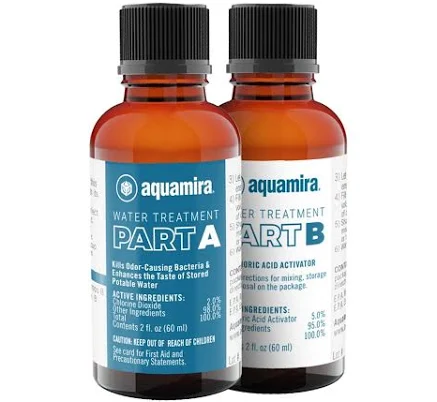
- glass bottles, sodium dichloroisocyanurate treatment chemical
- We found no PFAS statement from the brand
- Chemical overdose or misuse
5 hazards checked on this product, all on its full breakdown.

- Stainless steel housing and spigot
- We found no PFAS statement from the brand
- Bacterial growth and biofilm if filters not replaced
5 hazards checked on this product, all on its full breakdown.
- Borosilicate glass pitcher, replaceable activated-carbon filter cartridge
- Bacterial growth in filter cartridge if unmaintained
5 hazards checked on this product, all on its full breakdown.
More water filters grades
How we score, every product runs through the same public 0-100 rubric based on materials, coatings, brand disclosure, lab findings, and recalls. See the full methodology → Spotted a mistake? Report an error.