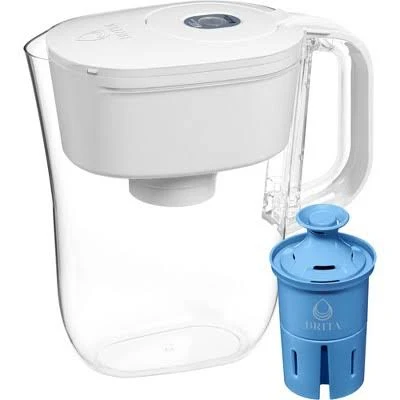
Brita Elite Denali 6-Cup Small Water Filter Pitcher
Low PFAS risk in pitcher body, but filter cartridge composition remains undisclosed.
The Elite Denali pitcher is made of BPA-free plastic with an activated carbon filter cartridge. Brita has not committed to PFAS-free status or disclosed the exact cartridge composition.
We flunk more products than we pass. This one earned its grade. How we grade
Material
BPA-free plastic pitcher, activated carbon filter cartridge
Lab data
No public lab test
You may also be interested in
Top-graded picks in the categories readers replace first, every one scored on the same rubric.

- polypropylene filter housing, carbon/sediment cartridge
- We found no PFAS statement from the brand
- Bacterial growth in spent cartridges
3 hazards checked on this product, all on its full breakdown.

Aquasure
Premier Series 75 GPD Under Sink Reverse Osmosis Water Filtration System
- RO membrane, carbon filters, stainless steel housing
- We found no PFAS statement from the brand
- Bacterial and microbial growth in housing and filters
4 hazards checked on this product, all on its full breakdown.

Avocado
Vegan Mattress
- organic cotton, natural latex, coconut coir, recycled steel coils
- The brand calls it PFAS-free, which we have not verified
- Heavy metals
2 hazards checked on this product, all on its full breakdown.
What Brita Elite Denali 6-Cup Filter Pitcher is made of, ingredients and materials
The Brita Elite Denali pitcher body is constructed from BPA-free plastic, which eliminates one of the primary leaching concerns in water filter housings. The activated carbon filter cartridge is the functional core; Brita does not publicly disclose the exact polymer or binding materials in the cartridge housing, but standard food-grade carbon filters are not known to leach harmful chemicals into water. The pitcher's plastic-to-water contact surfaces are food-contact compliant in the US market, meaning they meet FDA standards for migration of plastic monomers and additives.
What’s concerning
No PFAS disclosure
No public statement from the brand about PFAS in this product.
Bacterial growth in unmaintained filter cartridge
All activated carbon filters can develop biofilm if left in use beyond recommended replacement intervals or if pitcher sits unused for extended periods. Brita does not disclose antimicrobial treatments in the cartridge, so reliance on user discipline is higher than in filters with silver-ion or other growth-inhibiting technologies.
Filter cartridge material disclosure gap
The exact composition of the filter cartridge housing (binder resins, structural polymers) is not publicly disclosed by Brita. While activated carbon itself is inert, unknown cartridge materials could theoretically leach under certain conditions, though standard NSF certification implies safety testing has occurred.
Degradation of plastic seals over time
Repeated fill-and-drain cycles and exposure to tap water minerals can degrade rubber gaskets and plastic seals in the pitcher-to-filter interface, risking bypass or slow leaks. Inspection and occasional replacement of seals (available as parts) extends reliable operation.
What’s reassuring
Base material not linked to PFAS
The main material recorded for this product is not one associated with PFAS.
Plastic leaching from pitcher housing
Brita Elite is marketed as BPA-free and meets FDA food-contact standards; no documented leaching of regulated plastic additives has been reported for this model. Residual risk remains low if used within recommended temperature ranges and replaced on schedule.
How is this PFAS grade calculated?
The brand's record and disclosure
Brita has a long established market presence (since 1966 in the US) and holds NSF/WQA certification for its filtration claims, which requires third-party testing of cartridge performance but does not guarantee disclosure of all filter materials. The company has not made public commitments to PFAS-related supply chain practices or transparency on filter cartridge composition beyond carbon content. No major recalls or documented leaching incidents have been recorded for this pitcher model in public safety databases; the brand's silence on advanced materials disclosure is standard for the mass-market filter pitcher category rather than a unique red flag.
How it compares in its category
The Brita Elite sits in the mainstream consumer segment; comparable pitchers (PUR, Clearly Filtered, generic store brands) use similar BPA-free plastic housings and activated carbon cores. Brita's NSF certification is a practical differentiator that many budget alternatives lack. Premium alternatives (like Clearly Filtered or reverse-osmosis systems) offer more detailed material disclosure and broader contaminant removal, but carry higher cost and maintenance burden; the Brita Elite represents a reasonable middle ground for casual household use.
If you buy it
Replace the filter cartridge every 2 to 3 months or after 40 gallons of use, whichever comes first; delayed replacement increases bacterial regrowth risk inside the spent cartridge. Do not fill the pitcher with hot water above 60°C (140°F), as elevated temperature can increase plastic leaching, though the BPA-free formulation keeps that risk low. Store the pitcher in a cool, dark location and discard any water sitting in the pitcher for more than 48 hours, as stagnant water in the filter bed can harbor pathogens. Inspect the cartridge seals monthly for visible cracks or mold growth, and hand-wash the pitcher body rather than running it through a dishwasher to extend plastic durability.
What is not known about PFAS in this product?
- Basis
- Model estimate, 72% confidence, not a lab result
- Lab test
- None on record for this exact product
- Brand statement
- Brita has made a specific claim
Formulations change between production runs, so check the current label. How we grade.
What are the PFAS-free alternatives to Brita Elite Denali 6-Cup Small Water Filter Pitcher?
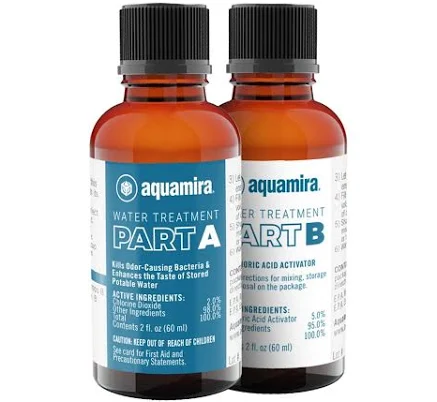
- glass bottles, sodium dichloroisocyanurate treatment chemical
- We found no PFAS statement from the brand
- Chemical overdose or misuse
5 hazards checked on this product, all on its full breakdown.

- Stainless steel housing and spigot
- We found no PFAS statement from the brand
- Bacterial growth and biofilm if filters not replaced
5 hazards checked on this product, all on its full breakdown.
- Borosilicate glass pitcher, replaceable activated-carbon filter cartridge
- Bacterial growth in filter cartridge if unmaintained
5 hazards checked on this product, all on its full breakdown.
More water filters grades
How we score, every product runs through the same public 0-100 rubric based on materials, coatings, brand disclosure, lab findings, and recalls. See the full methodology → Spotted a mistake? Report an error.