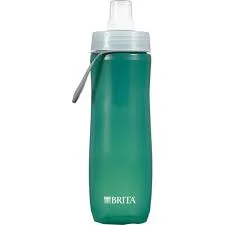
Brita Sport Water Bottle
Lower PFAS concern, but Brita makes no public PFAS disclosure.
Brita Sport bottles feature BPA-free plastic and activated carbon filters without known PFAS-heavy components. Brita doesn't publicly address PFAS in filtration or materials.
We flunk more products than we pass. This one earned its grade. How we grade
Material
BPA-free plastic body, activated carbon filter
Lab data
No public lab test
You may also be interested in
Top-graded picks in the categories readers replace first, every one scored on the same rubric.

- polypropylene filter housing, carbon/sediment cartridge
- We found no PFAS statement from the brand
- Bacterial growth in spent cartridges
3 hazards checked on this product, all on its full breakdown.

Aquasure
Premier Series 75 GPD Under Sink Reverse Osmosis Water Filtration System
- RO membrane, carbon filters, stainless steel housing
- We found no PFAS statement from the brand
- Bacterial and microbial growth in housing and filters
4 hazards checked on this product, all on its full breakdown.

Avocado
Vegan Mattress
- organic cotton, natural latex, coconut coir, recycled steel coils
- The brand calls it PFAS-free, which we have not verified
- Heavy metals
2 hazards checked on this product, all on its full breakdown.
What Brita Sport Water Bottle is made of, ingredients and materials
The Brita Sport bottle body is manufactured from BPA-free plastic, typically polypropylene (PP) or copolyester blends, which are considered stable food-contact polymers under normal use. The activated carbon filter cartridge removes chlorine, taste, and odor but does not eliminate all contaminants like bacteria or viruses. The plastic housing and removable filter are designed for cold-to-room-temperature beverages and should not be filled with hot water, which can degrade the polymer structure and increase leaching risk.
What’s concerning
No PFAS disclosure
No public statement from the brand about PFAS in this product.
BPA & bisphenols
Although BPA is absent, the polypropylene copolymer can release trace levels of other plastic monomers or additives if exposed to heat or UV light. Risk is low under normal cold-beverage use but increases if bottle is left in direct sunlight or filled with hot liquids.
Source, FDA ↗Bacterial growth in filter cartridge
Activated carbon filters create a moist environment that can harbor bacteria if not replaced regularly or if the bottle sits unused for prolonged periods. Cases of biofilm accumulation have been documented in user reports on portable filter bottles generally, though no specific Brita Sport outbreak has been recorded.
Activated carbon filter saturation and contaminant breakthrough
Once the carbon filter reaches capacity (around 40 gallons), it no longer removes contaminants and may even leach trapped compounds back into water. Users who exceed recommended replacement intervals risk reduced water quality without visible warning signs.
Housing material degradation over time
Polypropylene bottles can become brittle and develop micro-cracks after 1-2 years of frequent use, especially if stored in warm conditions or exposed to UV. Damaged plastic may increase leaching and allow bacterial entry at stress points.
What’s reassuring
Base material not linked to PFAS
The main material recorded for this product is not one associated with PFAS.
How is this PFAS grade calculated?
The brand's record and disclosure
Brita has marketed the Sport bottle as BPA-free since its introduction and does not publicly disclose PFAS testing or filtration claims on its website or product labels. The company holds no third-party certifications (NSF, WQA) for this portable model. No major recalls or health incidents have been documented for the Sport bottle in FDA or CPSC databases. Brita's parent company (Tronox Holdings) manufactures filtration products but has not issued transparency statements on PFAS in drinking water filters.
How it compares in its category
The Brita Sport is a mid-tier portable filter bottle. It offers better taste improvement than unfiltered tap water but provides less comprehensive contaminant removal than pitcher-style Brita filters or premium bottles with ion-exchange resins. Compared to stainless-steel insulated bottles without filtration, it adds a replacement cost (filters typically $5-8 every 2 months) but addresses chlorine and sediment in questionable water supplies. Many competing brands (LifeStraw, PUR) do not disclose PFAS filtration either, making this category generally opaque on emerging contaminants.
If you buy it
Replace the carbon filter every 40 gallons (or every 2 months of regular use) to prevent bacterial colonization inside saturated cartridges. Never fill with hot water or put the bottle in a dishwasher; hand-wash with cool water. Inspect the plastic body for cracks or cloudiness, which indicate polymer degradation and increased leaching. Store filters in a cool, dry place and discard immediately if you notice mold, discoloration, or foul odors in the filter chamber.
What is not known about PFAS in this product?
- Basis
- Model estimate, 72% confidence, not a lab result
- Lab test
- None on record for this exact product
- Brand statement
- Brita has made a specific claim
Formulations change between production runs, so check the current label. How we grade.
What are the PFAS-free alternatives to Brita Sport Water Bottle?
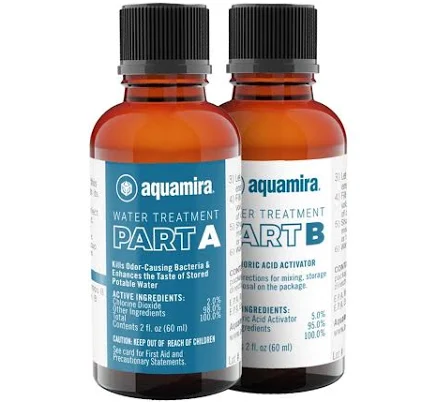
- glass bottles, sodium dichloroisocyanurate treatment chemical
- We found no PFAS statement from the brand
- Chemical overdose or misuse
5 hazards checked on this product, all on its full breakdown.

- Stainless steel housing and spigot
- We found no PFAS statement from the brand
- Bacterial growth and biofilm if filters not replaced
5 hazards checked on this product, all on its full breakdown.
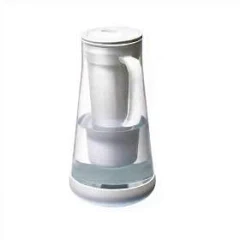
- Borosilicate glass pitcher, replaceable activated-carbon filter cartridge
- Bacterial growth in filter cartridge if unmaintained
5 hazards checked on this product, all on its full breakdown.
More water filters grades
How we score, every product runs through the same public 0-100 rubric based on materials, coatings, brand disclosure, lab findings, and recalls. See the full methodology → Spotted a mistake? Report an error.