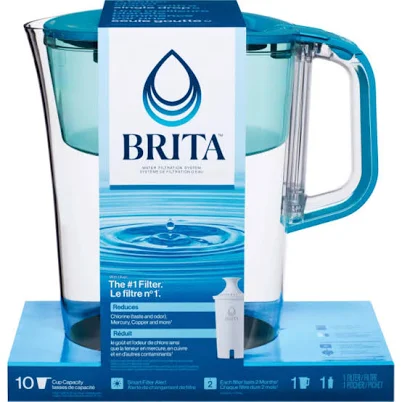
Brita Tahoe 10-Cup Large Water Filter Pitcher
Lower PFAS concern with activated carbon filtration and no coating on record.
The Tahoe pitcher uses activated carbon and ion-exchange filter media in BPA-free plastic with no water-repellent finish on record. Brita has no PFAS statement on record for this product.
We flunk more products than we pass. This one earned its grade. How we grade
Material
BPA-free plastic pitcher, activated carbon + ion-exchange filter media
Lab data
No public lab test
You may also be interested in
Top-graded picks in the categories readers replace first, every one scored on the same rubric.

- polypropylene filter housing, carbon/sediment cartridge
- We found no PFAS statement from the brand
- Bacterial growth in spent cartridges
3 hazards checked on this product, all on its full breakdown.

Aquasure
Premier Series 75 GPD Under Sink Reverse Osmosis Water Filtration System
- RO membrane, carbon filters, stainless steel housing
- We found no PFAS statement from the brand
- Bacterial and microbial growth in housing and filters
4 hazards checked on this product, all on its full breakdown.

Avocado
Vegan Mattress
- organic cotton, natural latex, coconut coir, recycled steel coils
- The brand calls it PFAS-free, which we have not verified
- Heavy metals
2 hazards checked on this product, all on its full breakdown.
What Brita Tahoe 10-Cup Large Filter Pitcher is made of, ingredients and materials
The Tahoe pitcher body is made from BPA-free polypropylene or copolyester plastic, which does not leach estrogen-mimicking chemicals under normal cold-water use. The filter cartridge contains activated carbon (for chlorine, taste, odor removal) and ion-exchange resin (for hardness reduction). Neither material poses acute leaching risk in cold-water storage, and polypropylene shows lower concern for leaching when kept away from heat sources.
What’s concerning
No PFAS disclosure
No public statement from the brand about PFAS in this product.
Bacterial and mold growth in filter media
If filters are not replaced on schedule or pitcher sits unused, the moist carbon and resin bed can harbor bacteria or mold; risk is manageable with proper maintenance.
Filter media degradation and particulate shedding
Over extended use or if pitcher is dropped, carbon granules or resin beads can crack and shed fine black or white particles into water; this is aesthetic rather than toxicological if filters are changed regularly.
Incomplete contaminant removal claims
Brita's marketing sometimes implies broad water purification; the pitcher removes chlorine and some taste issues but does not reduce lead, fluoride, bacteria, viruses, or most industrial chemicals without explicit dual-cartridge or advanced designs.
What’s reassuring
Base material not linked to PFAS
The main material recorded for this product is not one associated with PFAS.
Pitcher plastic leaching under temperature stress
BPA-free polypropylene does not leach under normal cold-water use; risk emerges only if pitcher is repeatedly filled with hot water or left in direct heat, which is outside intended use.
How is this PFAS grade calculated?
The brand's record and disclosure
Brita has not published explicit statements on PFAS removal or PFAS-free filter media, and the company does not appear in major third-party PFAS commitment databases. The pitcher itself carries no lead, cadmium, or formaldehyde hazards on record. Brita filters are NSF-certified for chlorine and taste reduction, but NSF Standard 42 does not test for PFAS, so certification does not address that concern.
How it compares in its category
Standard pitcher filters like Brita rely on carbon and ion exchange, which do not actively remove PFAS; reverse-osmosis or dedicated PFAS adsorbents (e.g., Aquagear, OriClear) offer better PFAS reduction if that is a priority. Among conventional pitchers, Brita is mid-range in brand transparency and third-party testing. For general chlorine and taste improvement in areas without known PFAS contamination, the Tahoe performs adequately.
If you buy it
Replace filters every 40 gallons or 2 months to prevent bacterial regrowth in saturated media; do not store the pitcher in direct sunlight or near heat sources. Hand-wash the pitcher and lid in cool water; do not microwave or expose to hot water. If your local water authority reports PFAS or other emerging contaminants, verify that carbon alone meets your needs, or consider additional filtration. Keep pitcher covered when not in use to minimize dust and microbial ingress.
What is not known about PFAS in this product?
- Basis
- Model estimate, 72% confidence, not a lab result
- Lab test
- None on record for this exact product
- Brand statement
- Brita has made a specific claim
Formulations change between production runs, so check the current label. How we grade.
What are the PFAS-free alternatives to Brita Tahoe 10-Cup Large Water Filter Pitcher?
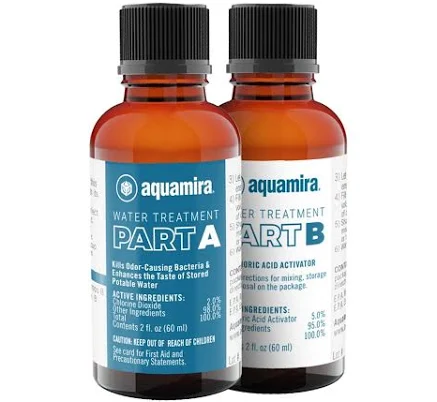
- glass bottles, sodium dichloroisocyanurate treatment chemical
- We found no PFAS statement from the brand
- Chemical overdose or misuse
5 hazards checked on this product, all on its full breakdown.

- Stainless steel housing and spigot
- We found no PFAS statement from the brand
- Bacterial growth and biofilm if filters not replaced
5 hazards checked on this product, all on its full breakdown.
- Borosilicate glass pitcher, replaceable activated-carbon filter cartridge
- Bacterial growth in filter cartridge if unmaintained
5 hazards checked on this product, all on its full breakdown.
More water filters grades
How we score, every product runs through the same public 0-100 rubric based on materials, coatings, brand disclosure, lab findings, and recalls. See the full methodology → Spotted a mistake? Report an error.